Century XIII · Dominican friar
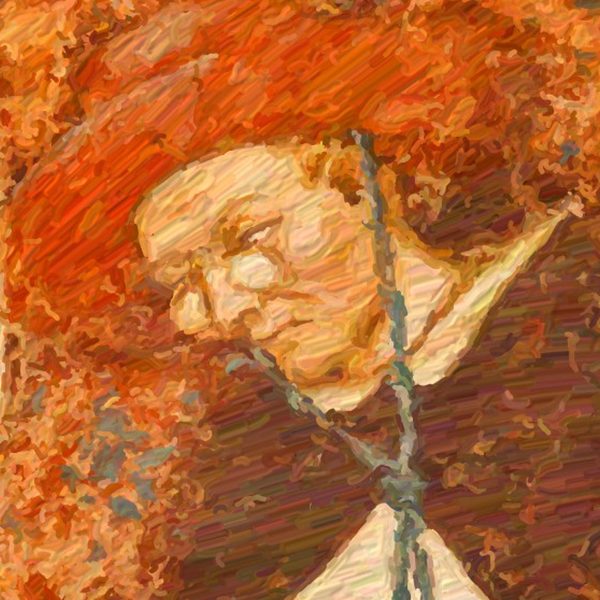
Thomas of Cantimpré
c. 1201–1272
Born in Sint-Pieters-Leeuw (Brabant), c. 1201 · Died in Louvain, c. 1272
Thomas was born about 1201 at Sint-Pieters-Leeuw, in Brabant, near Brussels. Schooled at Liège, he entered the canons regular of Cantimpré near Cambrai about 1217, and in 1232 became a Dominican at Louvain; he studied at Cologne under Saint Albert the Great and at Paris, and was subprior and lector at Louvain.
He wrote the De natura rerum, a vast encyclopaedia widely read in his century, and the Bonum universale de apibus, a moral mirror woven from the life of bees and the examples of his day.
But above all he was the hagiographer of the holy women of his country: he completed Jacques de Vitry's Life of Mary of Oignies, wrote those of Christina the Astonishing and Margaret of Ypres and, soon after the death of his friend and confidant Lutgard on 16 June 1246, The Life of Saint Lutgard, for the nuns of Aywières, where she had lived forty years. He died at Louvain about 1272.
Neque enim aurum minus pretiosum est, quod de terra tollitur; neque uinum minus sapidum, quod de uilibus lignis excipitur.
Gold is no less precious for being taken from the earth, nor wine less savoury for being drawn from humble wood.
Translated works
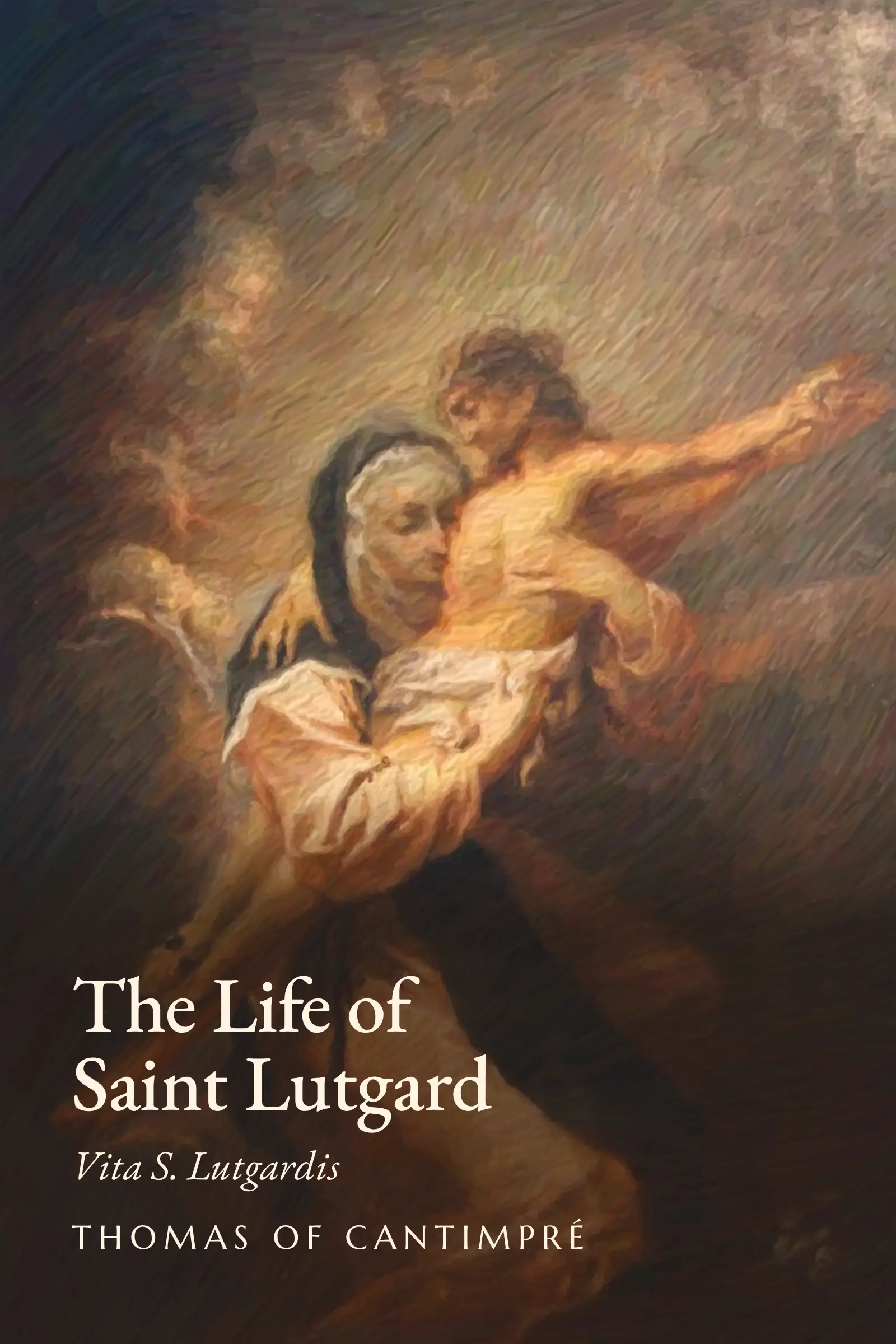
Neque enim aurum minus pretiosum est, quod de terra tollitur; neque uinum minus sapidum, quod de uilibus lignis excipitur.
Gold is no less precious for being taken from the earth, nor wine less savoury for being drawn from humble wood.