Page by page, with your progress saved.
The Life of Saint Lutgard (1182–1246), a Benedictine nun at Saint-Trond and then a Cistercian at Aywières, mystic of the Heart of Christ, written in three books by her contemporary and confidant Thomas of Cantimpré, a Dominican friar.
Lives of the Saints
10 entries in the contents · 800 sentences
Downloads
All our editions are free. Pick your format:
Phone PDF
Large type and minimal margins, made for reading on a phone.
99 pp. · 431 KB
Bilingual EPUB
Latin and English paragraph by paragraph, for any e-reader.
121 KB
Facing-page PDF
Latin on the left-hand pages, English on the right, in sync.
107 pp. · 552 KB
Latin PDF
The original Latin text only, pocket format.
88 pp. · 390 KB
Print editions in paperback and hardcover, coming soon on Amazon.
Contents
- Prologue
- The Old Division of the Chapters
- Book One. The life of Saint Lutgard in the Benedictine Order · I. Called away from marriage and the love of men, her heart is bound fast by the love of God
- II. Various ecstasies and divine visions. Her passing from the Benedictine to the Cistercian Order
- Book Two. Her life in the Cistercian Order · I. Souls in Purgatory helped by a fast of twice seven years. Women harassed by demons set free
- II. The power of her prayer; her desire for martyrdom; help given to the tempted and to sinners, and to the sick as well
- III. Things to come, things absent and things hidden made known by the spirit of prophecy
- Book Three. What she did in her last years, in blindness. Her death. Miracles · I. Appearances of Blessed Jordan, Master General of the Preachers, of James of Vitry and of others. The third fast of seven years
- II. The manner she kept in contemplation. Her preparation for the death she foreknew. Her illness and death
- III. Her burial. Miracles
A page
Latin
Officium personae et Ordinis; et si non nomen proprium, in salutatione posui; ut scilicet autoritas in Officio et Ordine commendetur; nec tamen opus sequens nominis insinuatione uilescat. Sicut me non solum uestra, immo multorum monasteriorum caritas et amor, quem specialissimum erga personam habebam, flagrantissimus incitauit. Vitam piae Lutgardis utcumque descripsi; tribus libris opus omne distinguens; secundum triplicem statum in anima, inchoantium, proficientium, et perfectorum.
English
In the greeting I have set down the office of my person and my Order, though not my own name, so that authority may be lent by the office and the Order, and yet the work that follows may not be cheapened by any hint of my name. It was not only your charity, but that of many monasteries, that urged me on, and with it the most ardent love, altogether singular, that I bore towards her person. I have written, as best I could, the Life of the pious Lutgard, dividing the whole work into three books according to the threefold state of the soul: that of beginners, of the proficient, and of the perfect.
About this translation
Thomas of Cantimpré (c. 1201–1272), first a canon regular at Cantimpré near Cambrai and from 1232 a Dominican friar, was subprior of the Dominican house at Louvain when Lutgard died on 16 June 1246. For many years he had been her friend and confidant — “her closest confidant”, as he says himself — and soon after her death he wrote this Life for the Abbess Hawide and the nuns of Aywières, the Cistercian abbey in Brabant where she had lived for forty years. He tells what he heard from her own lips and what he learned from witnesses worthy of belief, whom he often names; now and then he appears in the story himself.
Thomas divides the work into three books after the three states of the soul: beginners, the proficient and the perfect. The first tells of her years as a Benedictine at Saint Catherine's near Saint-Trond, which she entered at little more than twelve; the second, of her Cistercian life at Aywières, where she went at barely twenty-four; the third, of her last eleven years, in which she was blind, of her death and of the miracles that followed. Before the Life stands the “Old Division of the Chapters”, the table of short chapters handed down in the manuscripts (the Bollandists took it from the Bruges manuscript), which serves as a detailed index of the story; the division of each book into two or three chapters, with their headings, is the editors' own.
The text is that of the Acta Sanctorum (June, vol. III, Antwerp 1701), which the Bollandists established from three manuscripts. Some years later Thomas revised the work after it had been read by Brother Bernard, a Dominican and papal penitentiary who had also enjoyed Lutgard's confidence; the passages added then, which the editors took from two of those manuscripts, stand in square brackets, as in their edition. The Bollandists' preliminary commentary, marginal summaries and annotations are omitted. Thomas nearly always calls her simply “the pious Lutgard”; and when the young priest tormented by hearing confessions, or the friend who longed for her hand as a relic, appears in the story, it is the author himself.
Edition and source of the text: Latin text: Acta Sanctorum Iunii III (Antwerp 1701), pp. 234–263, via Corpus Corporum (mlat.uzh.ch) from the Ökumenisches Heiligenlexikon digitisation; public domain. The Bollandists' preliminary commentary and annotations are omitted; eleven readings of the digitisation have been corrected against the print; Scripture references follow modern numbering.
Lives of the Saints
Medieval Lives of the saints, written by their contemporaries or disciples and translated here for the first time into Spanish and English from the Latin text of their editions.
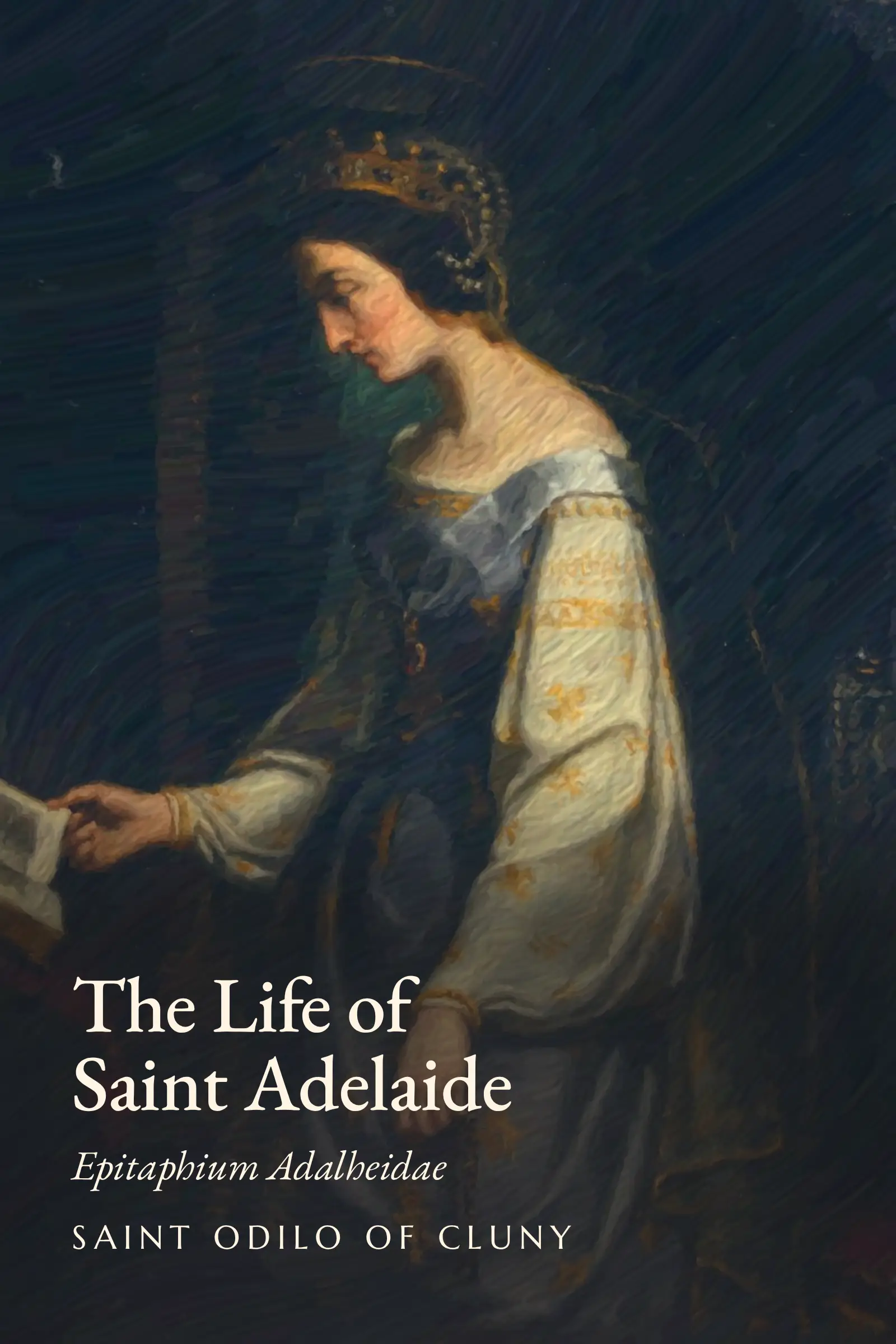
The Life of Saint Adelaide
Odilo of Cluny
Feast: 16 December
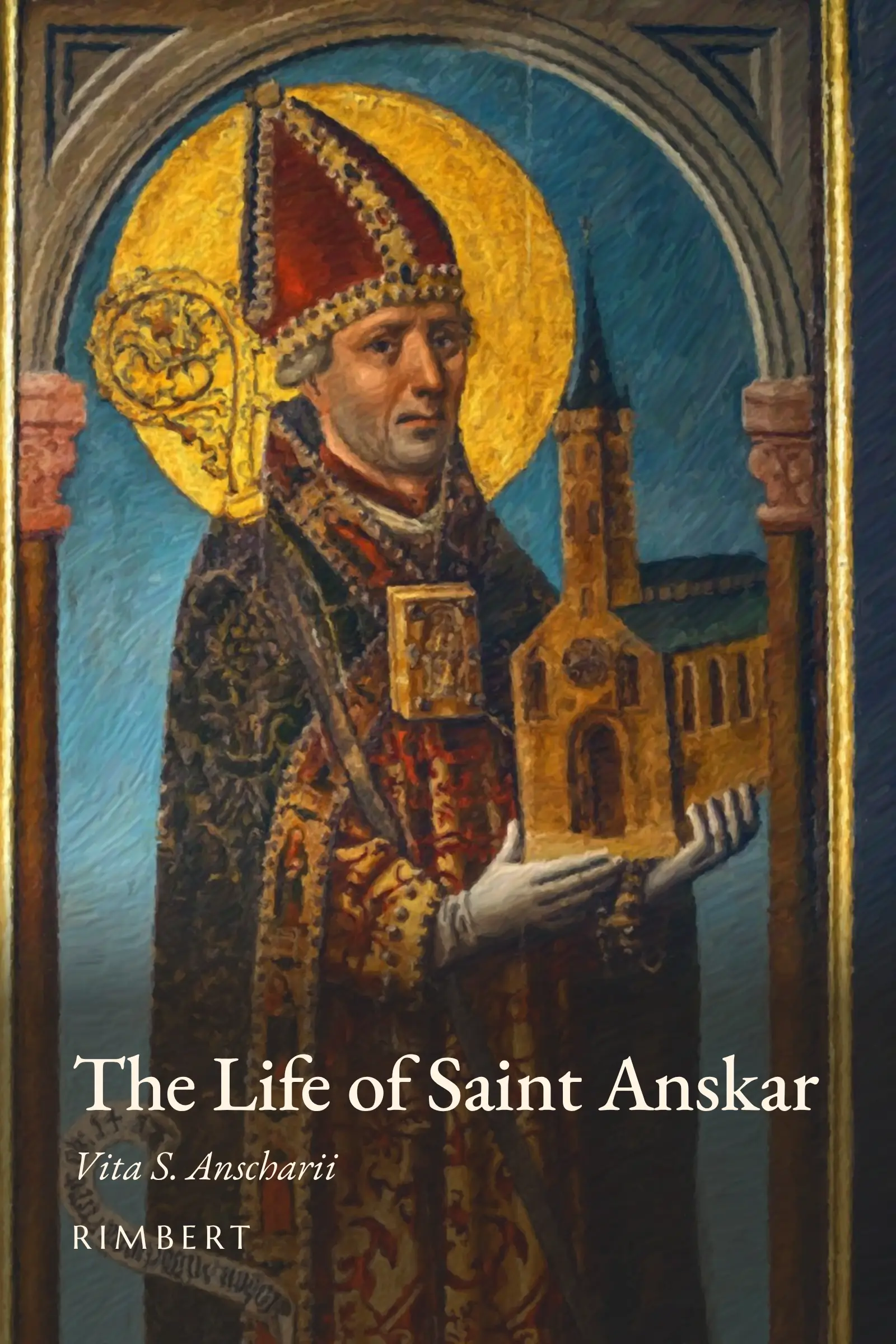
The Life of Saint Anskar
Rimbert
Feast: 3 February
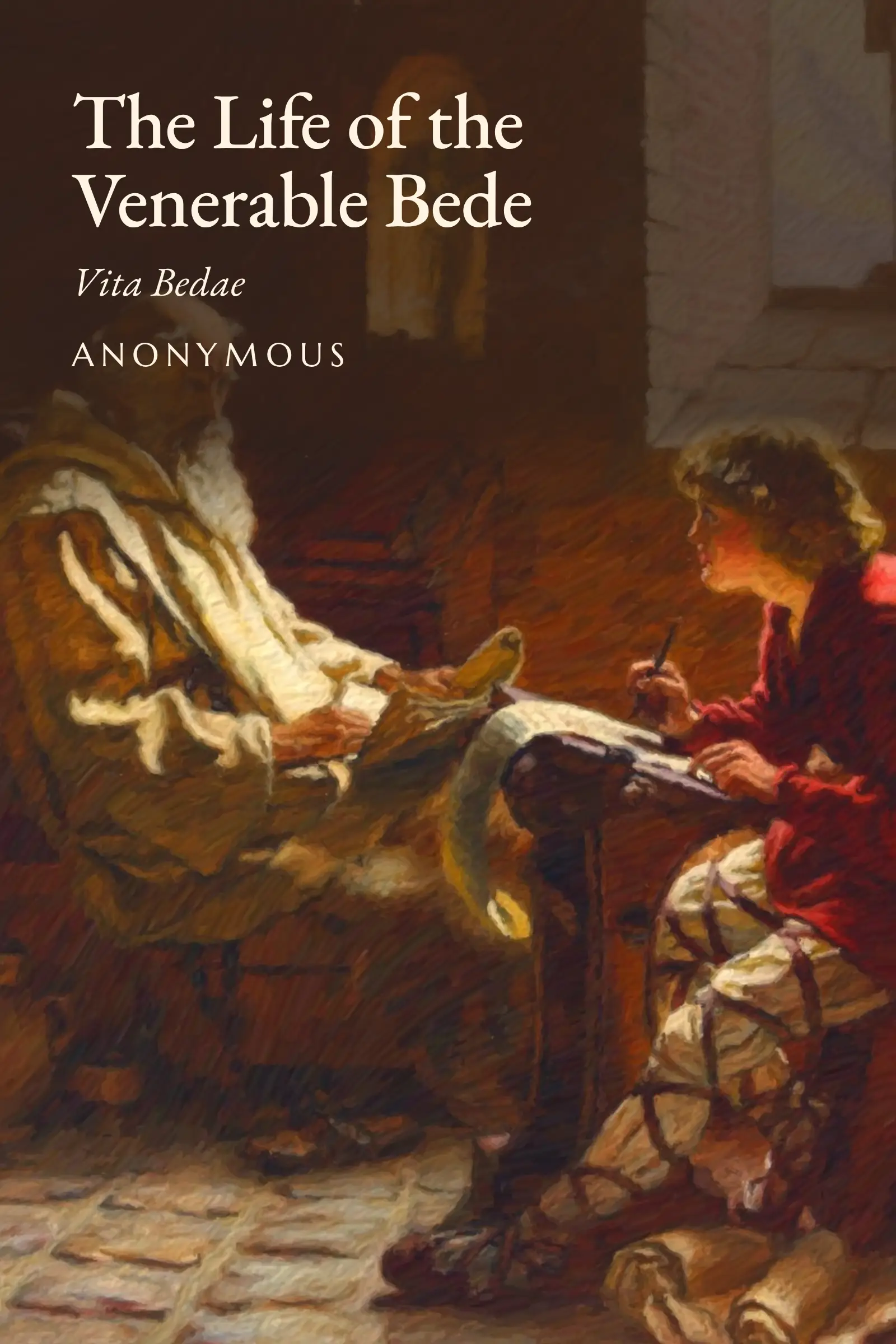
The Life of the Venerable Bede
Anonymous
Feast: 25 May
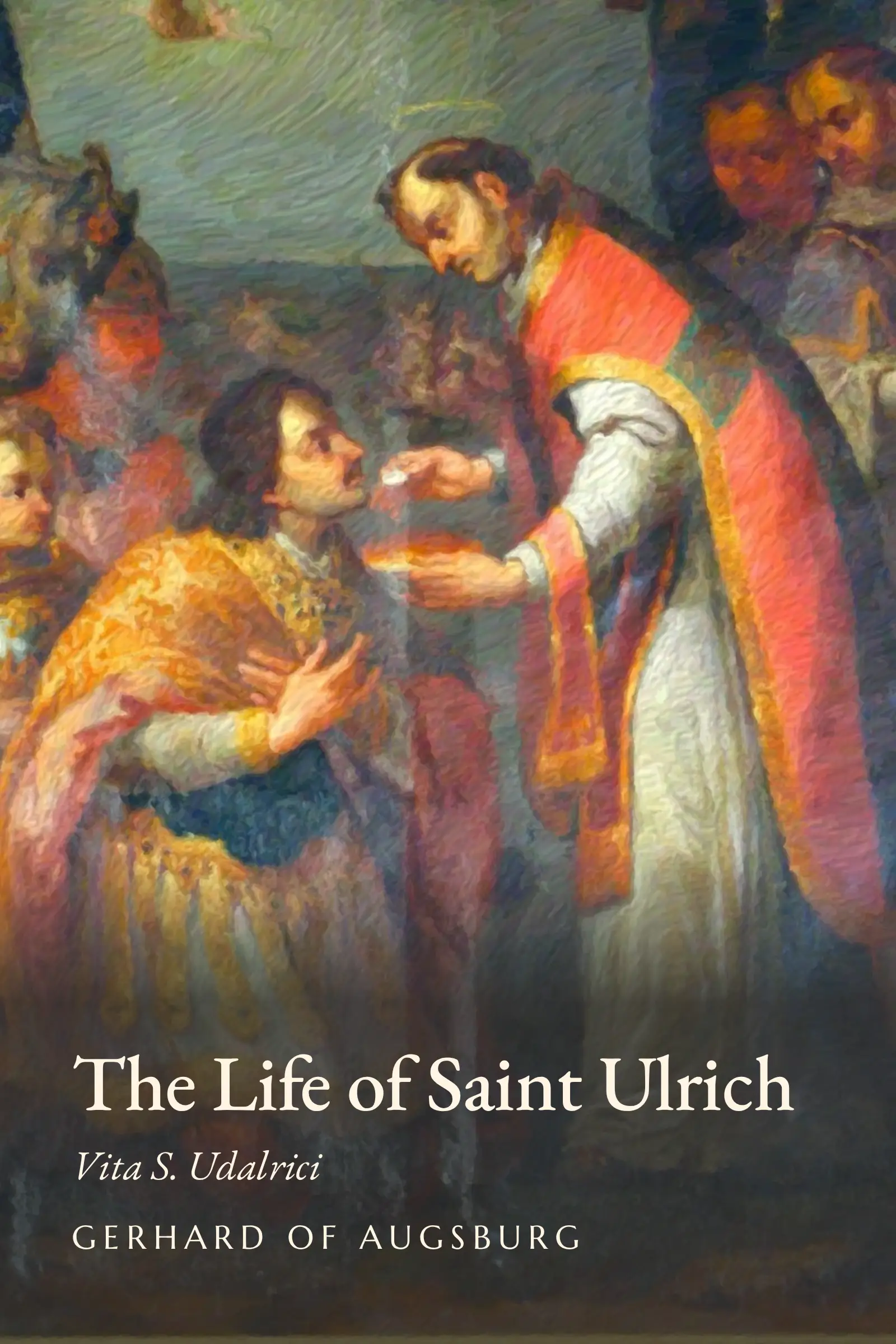
The Life of Saint Ulrich
Gerhard of Augsburg
Feast: 4 July
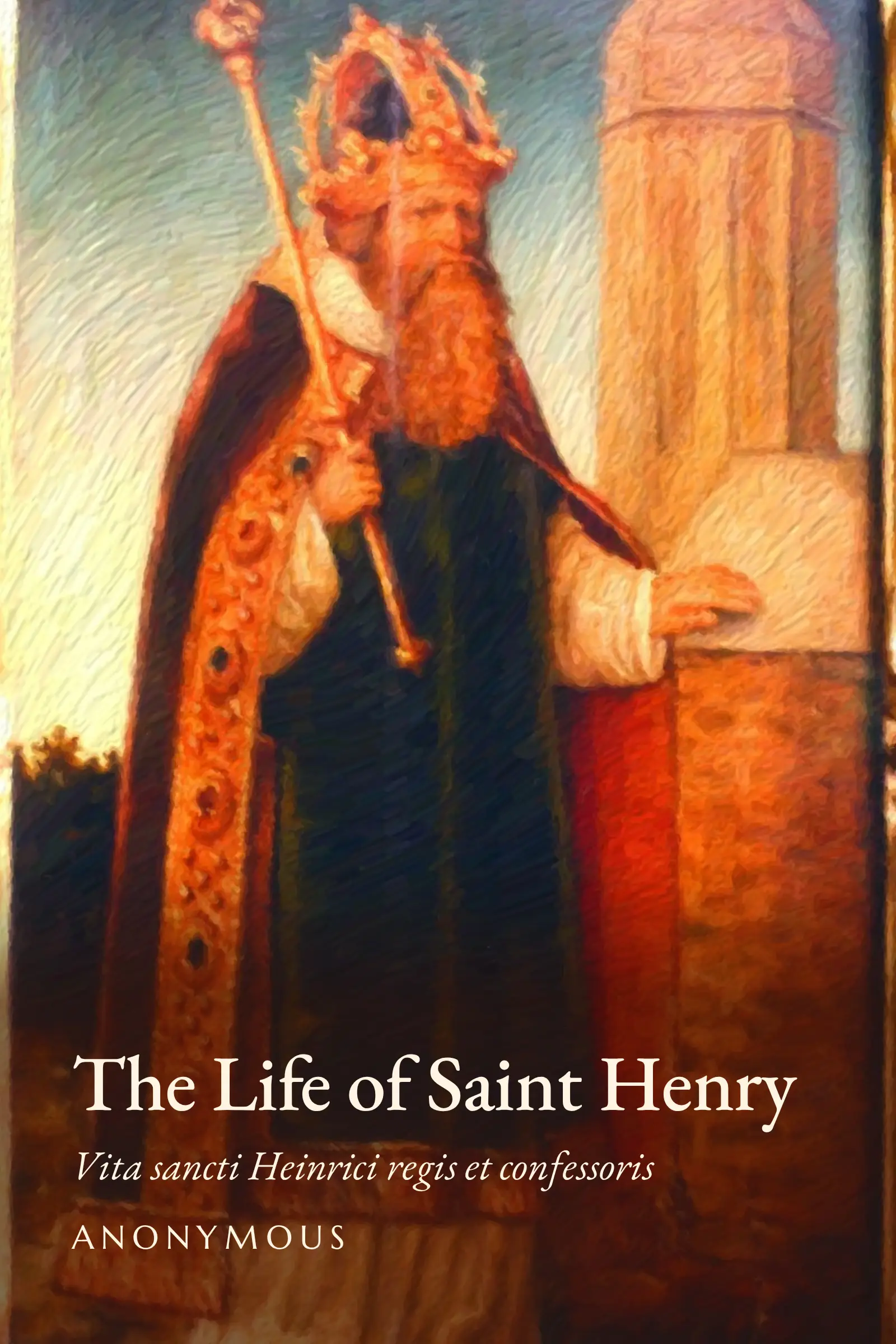
The Life of Saint Henry
Anonymous
Feast: 13 July
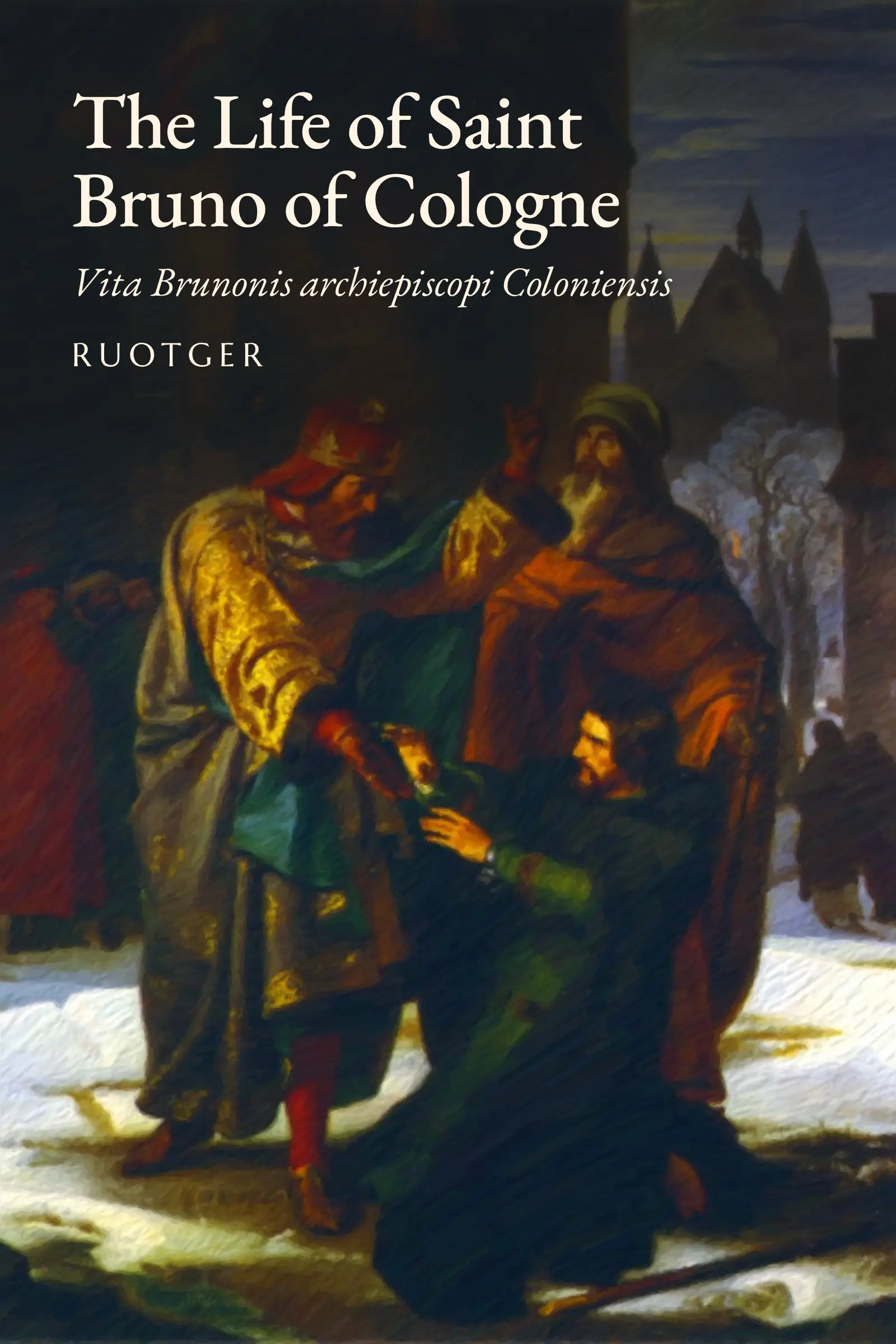
The Life of Archbishop Bruno
Ruotger
Feast: 11 October