
Page by page, with your progress saved.
An early anonymous Life of Bede (c. 673–735), the monk of Wearmouth and Jarrow, put together from what he wrote of himself and what others wrote of him; reprinted by Migne from Giles's edition.
Lives of the Saints
3 entries in the contents · 135 sentences
Downloads
All our editions are free. Pick your format:
Phone PDF
Large type and minimal margins, made for reading on a phone.
28 pp. · 132 KB
Bilingual EPUB
Latin and English paragraph by paragraph, for any e-reader.
34 KB
Facing-page PDF
Latin on the left-hand pages, English on the right, in sync.
33 pp. · 161 KB
Latin PDF
The original Latin text only, pocket format.
25 pp. · 116 KB
Print editions in paperback and hardcover, coming soon on Amazon.
Contents
A page
Latin
Inter catholicos sacrae Scripturae expositores qui secundo post apostolos loco refulserunt mundi luminaria, sacrae eruditionis presbyter ac imitabilis vitae monachus Beda nomen honoris excellentis tenet et locum. Nec immerito eum intra numerum doctorum sancta admittit Ecclesia; quorum in sacris Scripturis studium, diligentiam, intentionem imitans, dum meditando ac scribendo prosequitur, in munimen et decorem domus Dei magnam muneris sacri portionem verus Israelita obtulit. Edidit namque non pauca in explanationem divinorum eloquiorum apostolico sale condita volumina; quae super inviolabilis fidei petram solidata, portarum infernalium nullo poterunt impulsu labefactari.
English
Among the catholic expounders of Holy Scripture who shone as lights of the world in the second rank after the apostles, Bede, a priest of sacred learning and a monk whose life is worth imitating, holds a name and a place of surpassing honour. Not undeservedly does Holy Church admit him into the number of the doctors; for, imitating their study, diligence and purpose in the Holy Scriptures as he followed them in meditation and in writing, this true Israelite offered a great share of the sacred gift for the defence and adornment of the house of God. For he published not a few volumes in explanation of the divine oracles, seasoned with apostolic salt; and these, made firm upon the rock of the inviolable faith, can be shaken by no assault of the gates of hell.
About this translation
Bede (c. 673–735), the monk of Wearmouth and Jarrow in Northumbria whom the Church has long called “the Venerable”, expounded almost the whole of Scripture, wrote on the reckoning of time and composed the Ecclesiastical History of the English People. This Life of him is anonymous and undated: Migne reprinted it in the Patrologia Latina from J. A. Giles's London edition of Bede's works, as the Life of Bede “by a very ancient anonymous author”. The author says that he has put it together from what Bede wrote about himself and what others wrote about him, and his sources are plain to see: the note on his own life with which Bede closes the Ecclesiastical History, Bede's accounts of Benedict Biscop and of Archbishop Theodore and Abbot Hadrian, and the letter in which Cuthbert, Bede's disciple, told his fellow student Cuthwin how their master died.
After a prologue on why such a life deserves to be known, the first book sets Bede in the Northumbria of its holy kings and bishops, tells how Benedict Biscop founded the twin monastery of Saint Peter at Wearmouth and Saint Paul at Jarrow, and follows Bede from the day his parents gave him to the monastery at the age of seven, through his studies and his ordination as deacon at nineteen and as priest at thirty, to his fame as an interpreter of Scripture. The second book tells of his last illness and his death, following Cuthbert's letter and enlarging it with meditations drawn from Scripture. The dates are the author's own reckoning: he puts Bede's birth in 677 and his death in 735, in his fifty-ninth year; Bede himself, writing in 731, says that he was then in his fifty-ninth year, so that he was born about 673. This translation gives the whole text, prologue and both books; the Latin's evident slips are translated by their sense.
A few things help the reader. When the prologue says that the Church counts Bede among her doctors, it speaks in the older, wider sense; Leo XIII formally declared him a Doctor of the Church in 1899. The Benedict of these pages is Benedict Biscop, the founder of Wearmouth and Jarrow. Two Cuthberts appear: the holy bishop whom King Ecgfrith had raised to the episcopate, in the first book, and Bede's disciple, in the second. And the prayer that Bede sings at the end, “O King of glory”, is an antiphon of the feast of the Ascension, the feast on whose threshold he died.
Edition and source of the text: Latin text: Patrologia Latina 90, cols. 41–54, reprinting J. A. Giles's edition of Bede's works, via Corpus Corporum (mlat.uzh.ch); public domain. Scripture references follow modern numbering.
Lives of the Saints
Medieval Lives of the saints, written by their contemporaries or disciples and translated here for the first time into Spanish and English from the Latin text of their editions.
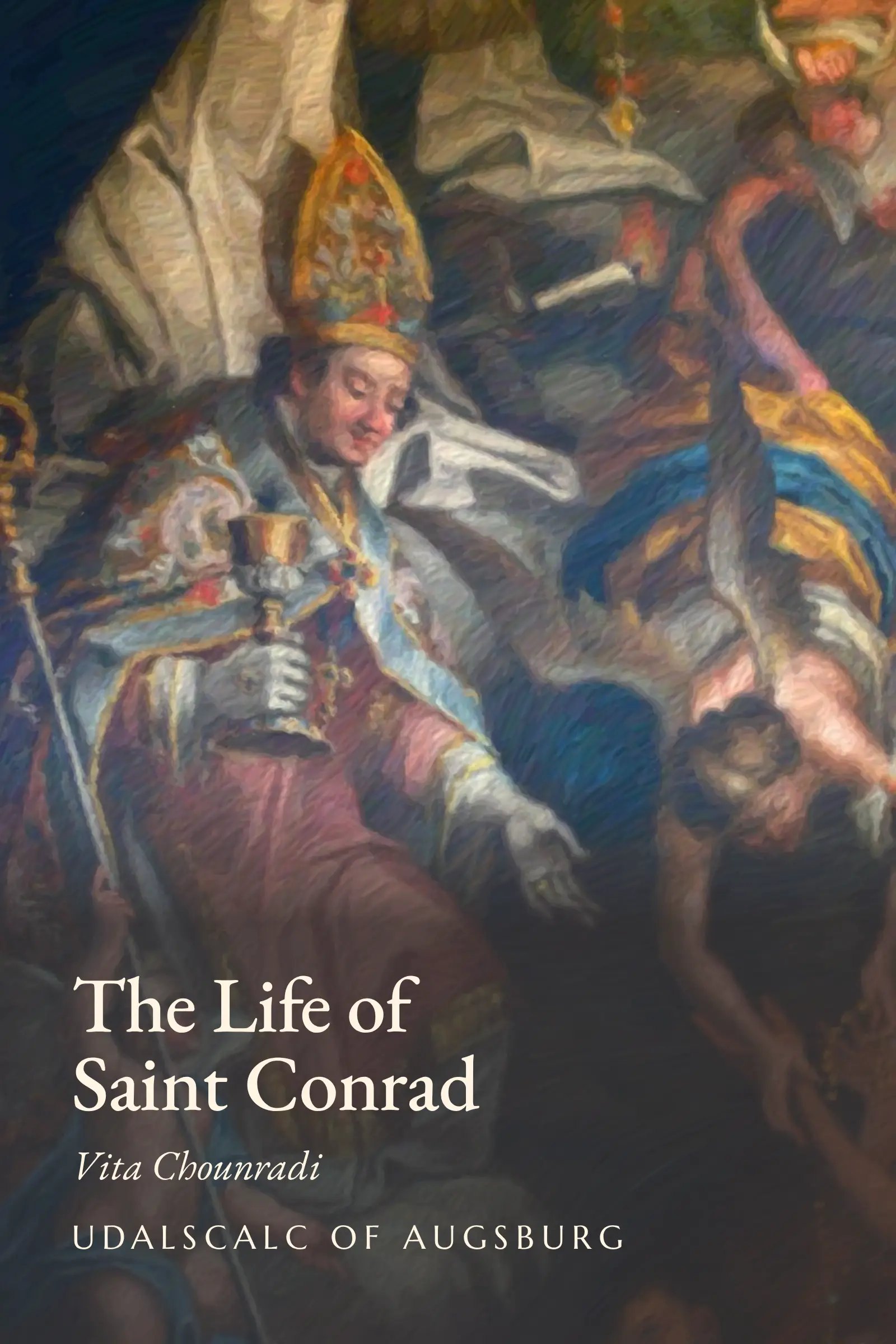
The Life of Saint Conrad
Udalscalc of Augsburg
Feast: 26 November
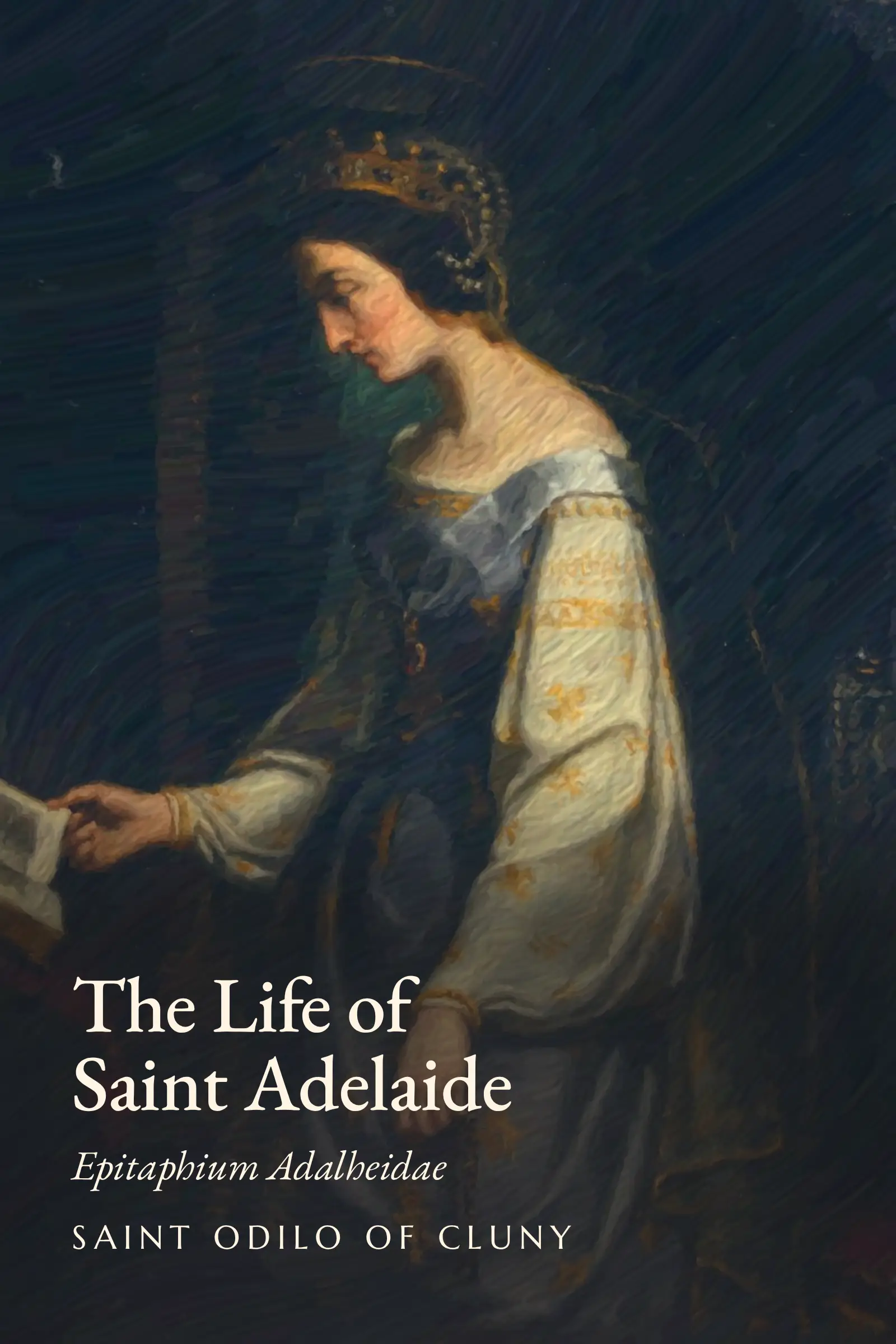
The Life of Saint Adelaide
Odilo of Cluny
Feast: 16 December
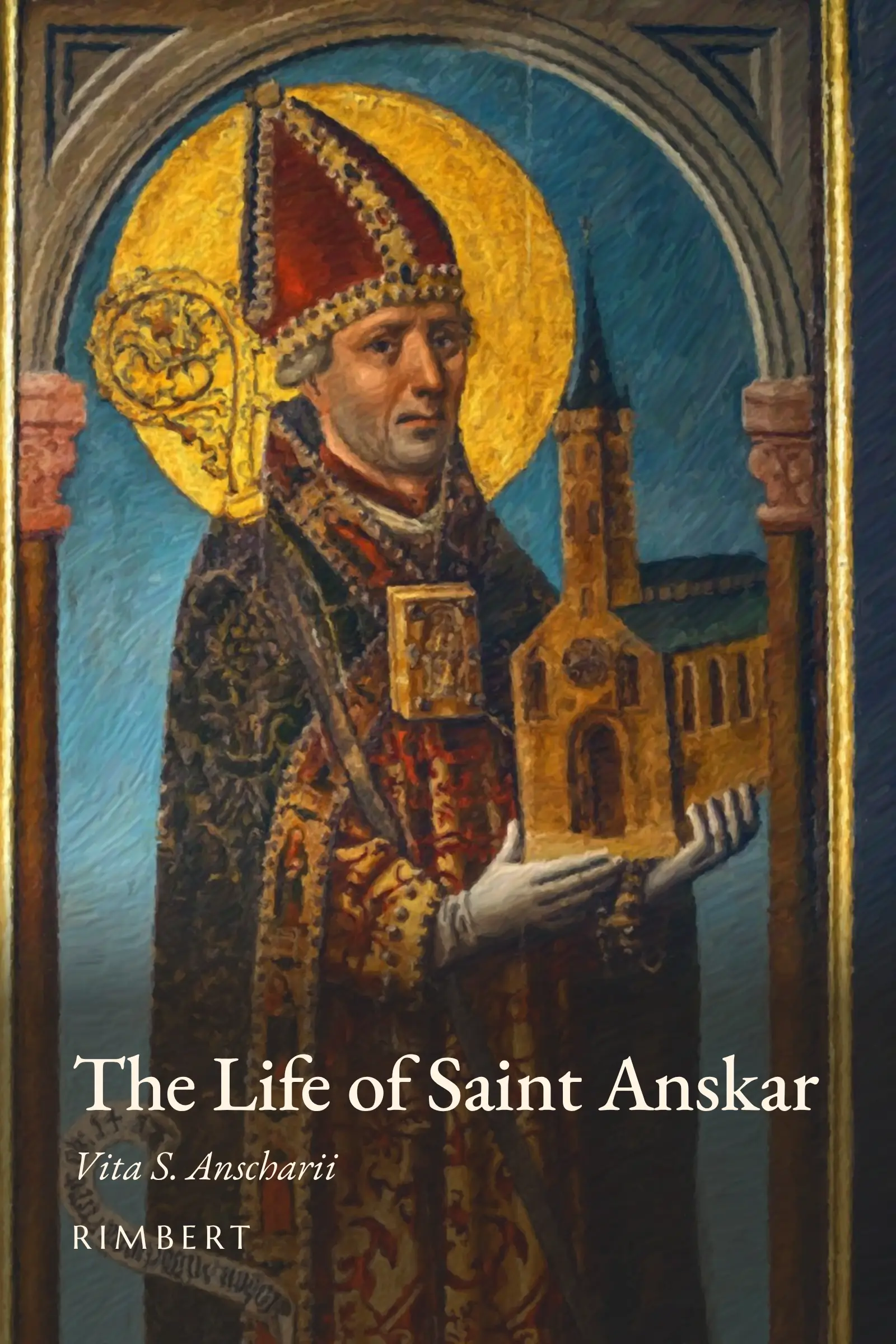
The Life of Saint Anskar
Rimbert
Feast: 3 February
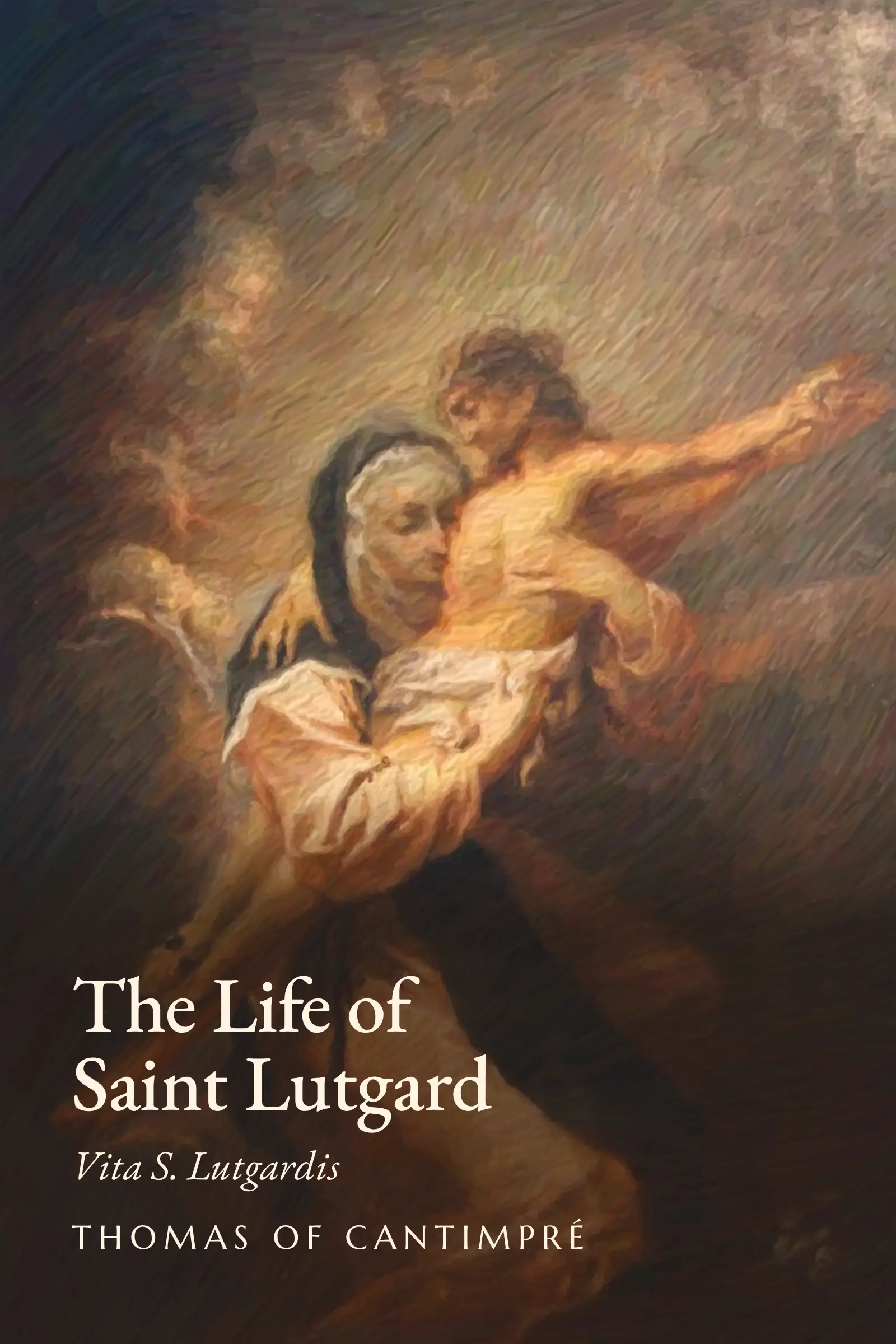
The Life of Saint Lutgard
Thomas of Cantimpré
Feast: 16 June
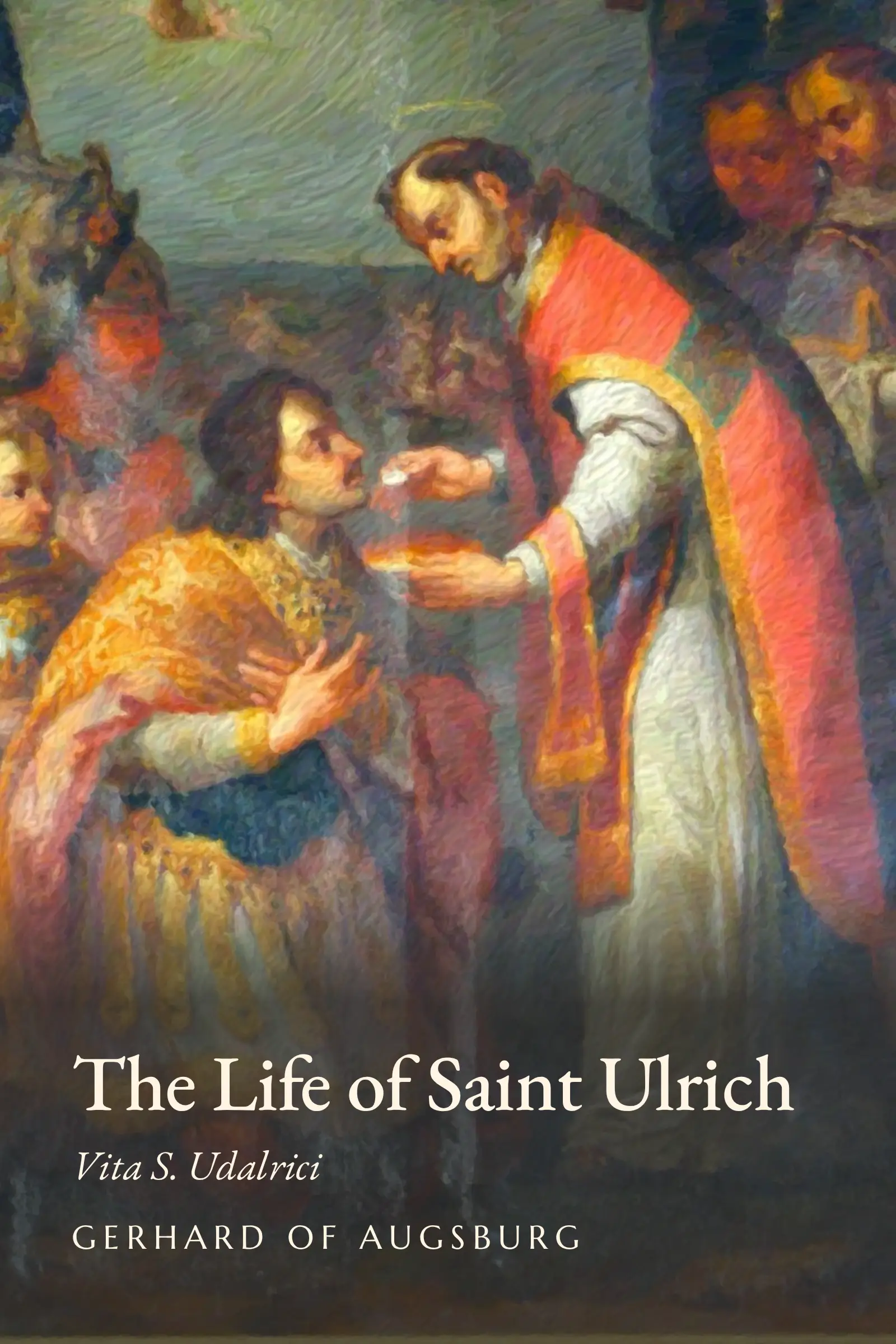
The Life of Saint Ulrich
Gerhard of Augsburg
Feast: 4 July
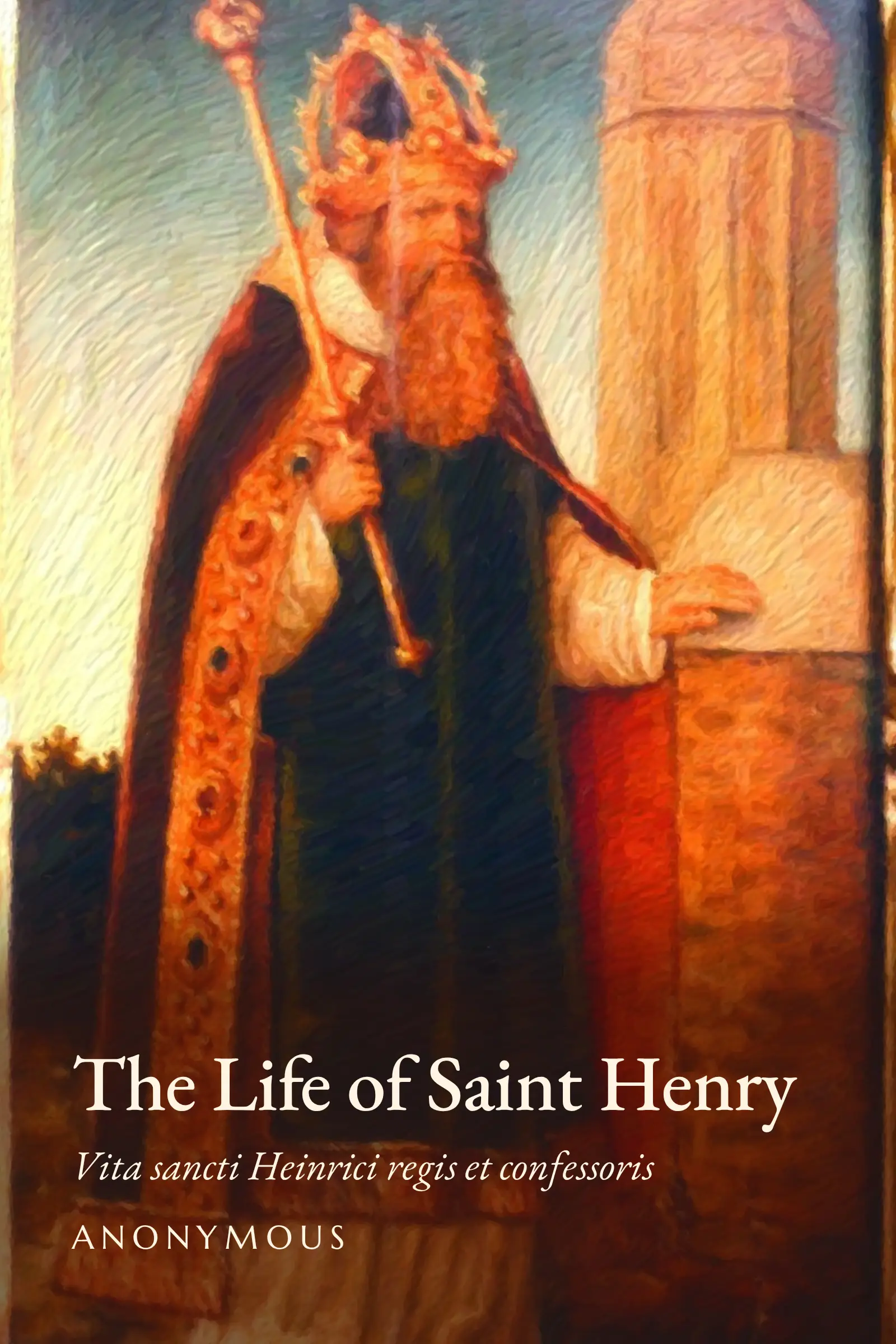
The Life of Saint Henry
Feast: 13 July