
Page by page, with your progress saved.
The Life of Saint Ulrich (890–973), bishop of Augsburg for fifty years and defender of the city against the Hungarians in 955, written by Gerhard, a priest of Augsburg, for his canonisation in 993, the first decreed by a pope.
Lives of the Saints
3 entries in the contents · 675 sentences
Downloads
All our editions are free. Pick your format:
Phone PDF
Large type and minimal margins, made for reading on a phone.
122 pp. · 518 KB
Bilingual EPUB
Latin and English paragraph by paragraph, for any e-reader.
175 KB
Facing-page PDF
Latin on the left-hand pages, English on the right, in sync.
135 pp. · 730 KB
Latin PDF
The original Latin text only, pocket format.
117 pp. · 503 KB
Print editions in paperback and hardcover, coming soon on Amazon.
Contents
A page
Latin
Aures plurimorum cum fama miraculorum Christi, quae per servum suum sanctum Udalricum in honorem suae sanctissimae genitricis Mariae fieri concessit, frequentissime pulsaret, et adhuc mentes eorum dubitatio occuparet, missis ad me legatis rerum veritates ex meis responsionibus cognoscere cupiebant, rogantes me ut ea quae ego inveritate scire potuissem, lucida descriptione eis manifestarem.
English
The fame of the miracles of Christ, which he granted to be done through his servant Saint Ulrich in honour of his most holy Mother Mary, was knocking very often at the ears of many, and doubt still held their minds; so they sent messengers to me, wishing to learn the truth of these things from my answers, and asked me to set out for them in a clear account whatever I had been able to know in truth.
About this translation
Ulrich was born in 890 into a noble Alamannian family, the son of Hupald and Dietpirch, and was schooled at the abbey of Saint Gall. He served Bishop Adalbero of Augsburg as chamberlain, and in 923 King Henry I gave him the see, which he held for fifty years. He rebuilt a church and a city laid waste by the Hungarians, kept faith with Otto I through the revolt of the king's son Liudolf, and in August 955 held Augsburg against the Hungarian host until the king came up and routed it on the Lechfeld. He died on 4 July 973 and was buried in the church of Saint Afra outside the walls. In 993 Pope John XV, at a synod in the Lateran, declared him a saint: the first canonization by a pope of which a record survives. A book of his life and miracles was read at that synod, and it is generally identified with this one.
The author is Gerhard, a priest of the cathedral of Augsburg and later its provost, who writes as an eyewitness (“these things I learned from no one's telling, but saw with my own eyes”). He also appears in his own story: he is the cleric Gerhard who speaks for the aged bishop at the synod of Ingelheim, who reads to him in his last illness and comforts him when he does not die on the feast of the apostles, and the “unworthy priest Gerhard” who records the date of a deed of gift in 980. He wrote after Ulrich's successor Henry disappeared in the battle against the Saracens in Calabria, and before the canonization.
This edition gives the prologue, the twenty-eight chapters of the Life (the printed edition numbers the last two chapters both XXVIII; the second tells of the troubled episcopate of Ulrich's successor and copies the deed of gift with its witnesses), the twenty-nine miracles at the tomb and the epilogue. Two dates in the printed text are wrong and are translated as printed: the great Hungarian invasion is dated 965 instead of 955, and the battle in Calabria 983 instead of 982. Gerhard calls Bavaria by its Roman name, Noricum, and its people Noricans. “The charity of Saint Ulrich”, which the miracles have people drink or refuse, is a loving-cup drunk in his honour.
Edition and source of the text: Latin text: Patrologia Latina 135, cols. 1009–1070, via Corpus Corporum (mlat.uzh.ch); public domain. The editor's apparatus and variant readings are omitted; Scripture references follow modern numbering.
Lives of the Saints
Medieval Lives of the saints, written by their contemporaries or disciples and translated here for the first time into Spanish and English from the Latin text of their editions.
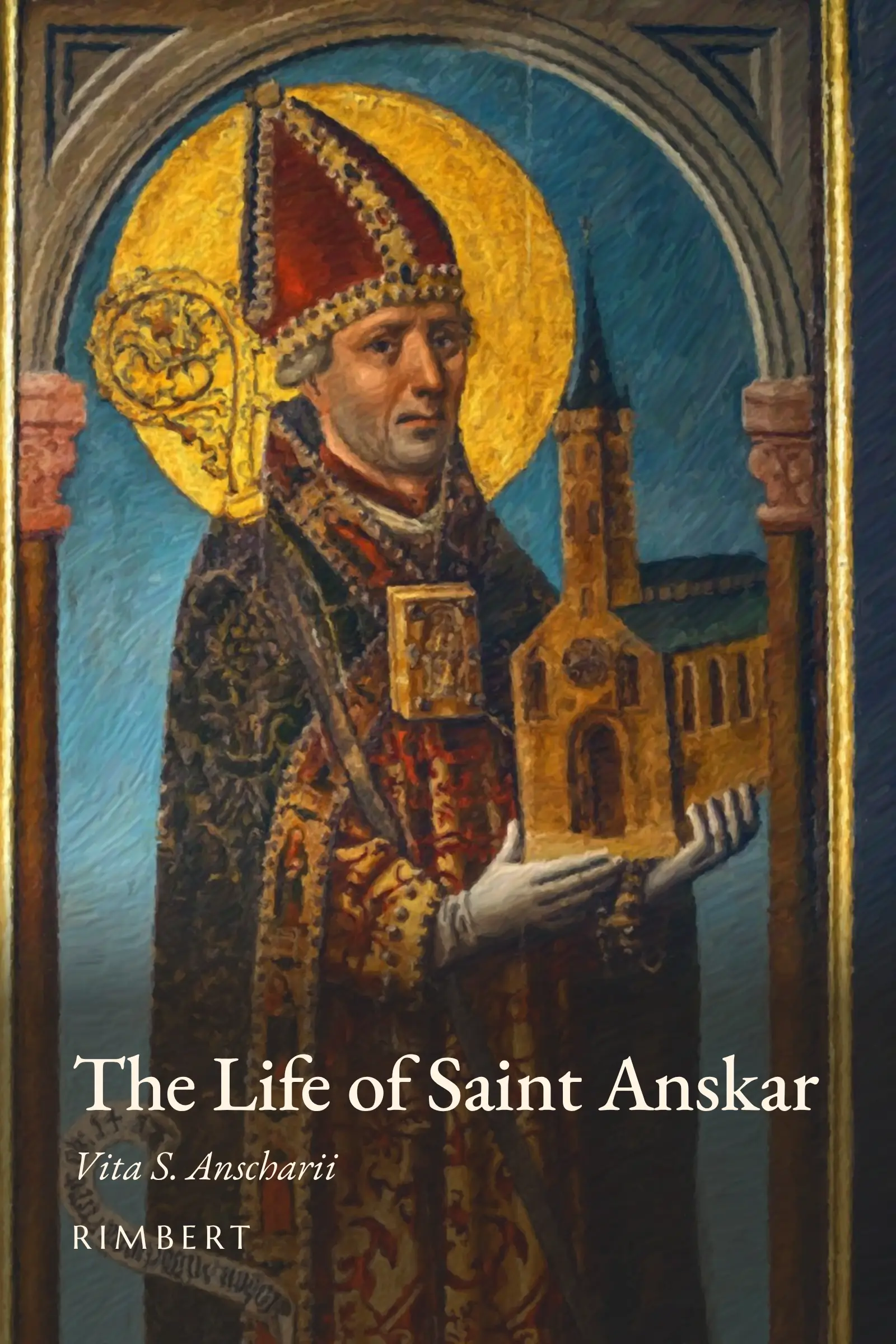
The Life of Saint Anskar
Rimbert
Feast: 3 February
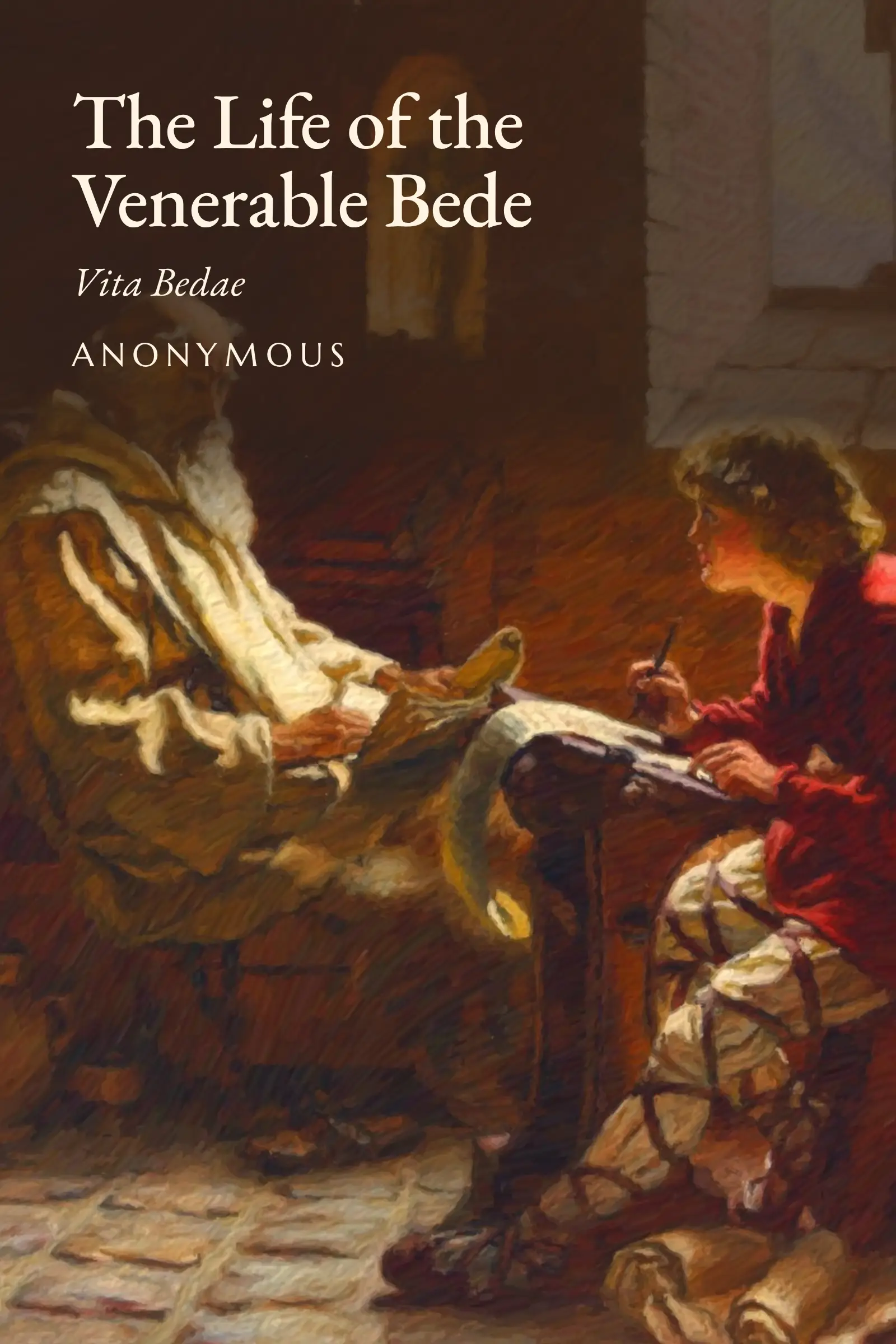
The Life of the Venerable Bede
Anonymous
Feast: 25 May
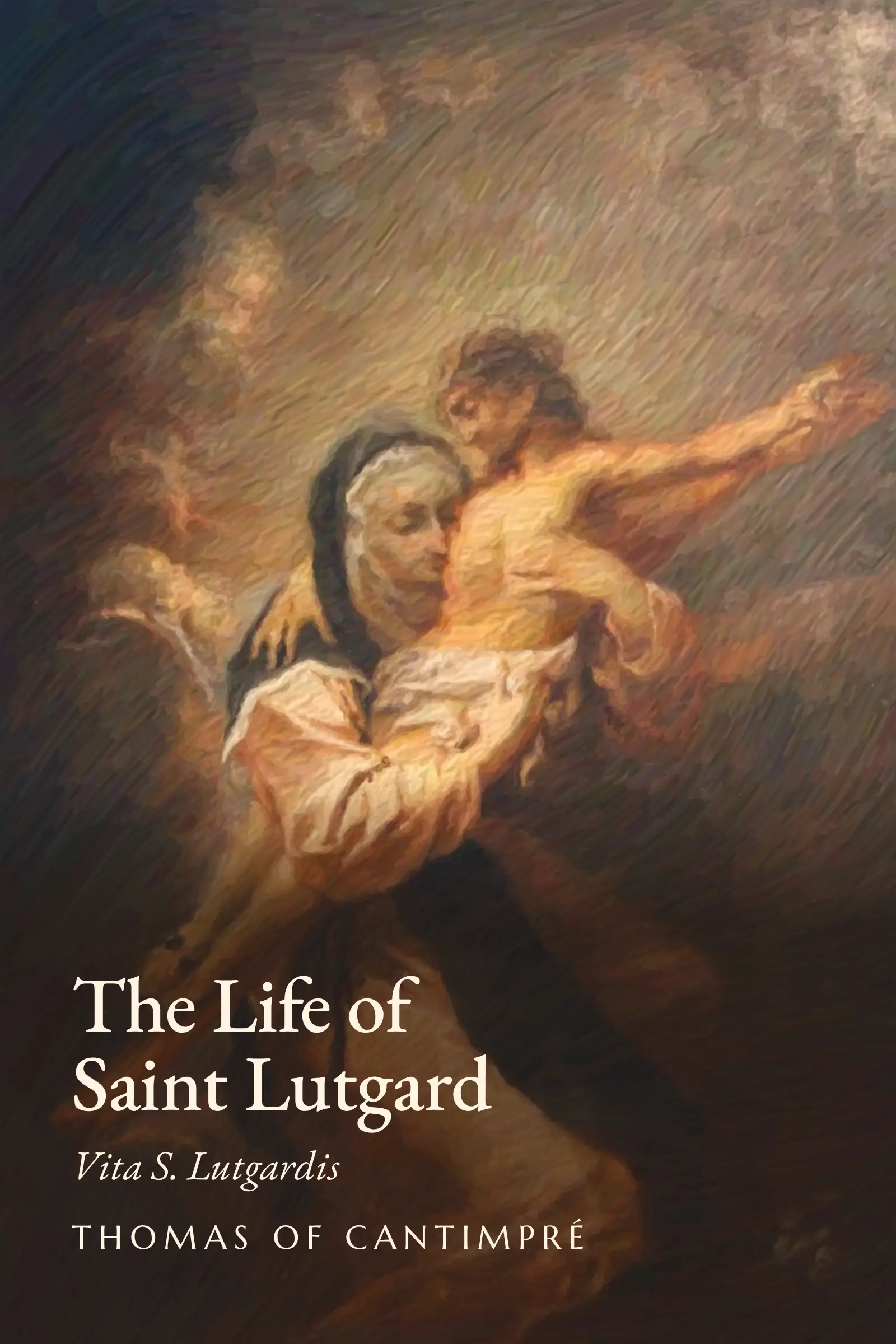
The Life of Saint Lutgard
Thomas of Cantimpré
Feast: 16 June
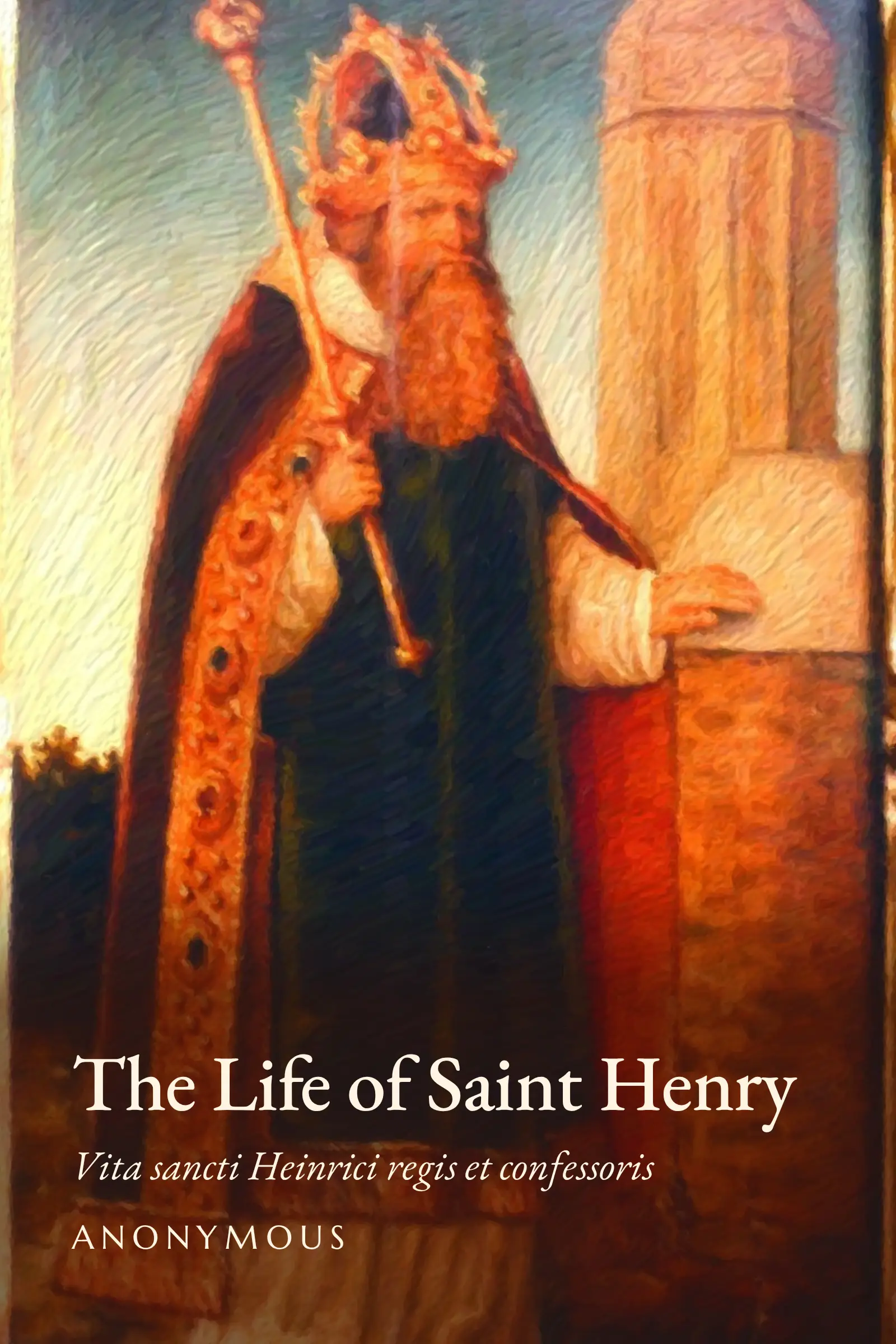
The Life of Saint Henry
Anonymous
Feast: 13 July
The Life of Archbishop Bruno
Ruotger
Feast: 11 October
The Life of Saint Gerald of Aurillac
Odo of Cluny
Feast: 13 October