
Page by page, with your progress saved.
The Life of Saint Conrad (d. 975), bishop of Constance and friend of Saint Ulrich, written by Udalscalc, abbot of Saints Ulrich and Afra in Augsburg, for his canonisation in 1123: his churches, his house for the poor and his three pilgrimages to Jerusalem.
Lives of the Saints
2 entries in the contents · 153 sentences
Downloads
All our editions are free. Pick your format:
Phone PDF
Large type and minimal margins, made for reading on a phone.
23 pp. · 117 KB
Bilingual EPUB
Latin and English paragraph by paragraph, for any e-reader.
38 KB
Facing-page PDF
Latin on the left-hand pages, English on the right, in sync.
27 pp. · 167 KB
Latin PDF
The original Latin text only, pocket format.
21 pp. · 104 KB
Print editions in paperback and hardcover, coming soon on Amazon.
Contents
A page
Latin
Domino Calisto papae sanctissimo, Udalrikus Constantiensis ecclesiae famulus, cum universo dominici gregis sibi commisso ovili, debita obedientiae et servitutis vota cum orationis instantia. Divini clementiam respectus, sub vestrae paternitatis gubernaculo dies nostros multis consolantem bonis propensiori gratiarum actione magnificamus, cum de tranquillo rerum statu et nova sanctorum claritate, qua diversae illustrantur ecclesiae, gaudeamus.
English
To the most holy Pope Calixtus, Ulrich, servant of the Church of Constance, together with the whole fold of the Lord's flock entrusted to him: the vows of obedience and service that are his due, with earnest prayer. With the readier thanksgiving we magnify the clemency of the divine regard, which under the helm of your fatherhood comforts our days with many blessings, since we rejoice both in the peaceful state of affairs and in the new glory of the saints by which divers churches are made illustrious.
About this translation
Conrad was bishop of Constance, on the lake that bears the city's name, from 934 until his death on 26 November 975 (this Life gives the year as 976). Born of a noble Alemannian family, he was schooled among the clergy of the cathedral, became provost of its chapter, and was chosen bishop on the word of his friend Saint Ulrich, bishop of Augsburg. He enriched the cathedral, built three churches, among them Saint Maurice's with its copy of the Holy Sepulchre of Jerusalem, kept a house in which twelve poor men were fed, and went three times on pilgrimage to Jerusalem. He was buried in Saint Maurice's, and his tomb drew the sick from far and wide.
The Life was written about a century and a half after his death. Bishop Ulrich I of Constance (1111–1127) had asked Pope Calixtus II to number Conrad among the saints and was told that this could be done only if his life were read and approved before a general council. He entrusted the writing to Udalscalc, a monk of Saints Ulrich and Afra at Augsburg, who was then living in exile at Constance with his abbot Egino, whom Bishop Hermann of Augsburg, a partisan of the Emperor Henry V, had driven out; Udalscalc worked from old notes and accounts that the bishop put in his hands, and later became abbot of his own monastery. He and the vicedominus Henry took the book to the pope, who, by decree of the council, granted that Conrad should be honoured if the miracles ascribed to him were found to be true. On the way home the envoys were captured and held prisoner for a time, and there Udalscalc, at his fellow captives' request, set Conrad's story to music. Conrad's body was raised from the tomb on 26 November 1123.
The book is written in Bishop Ulrich's name as a letter to the pope: the “I” of the prologue and the “we” who have seen cures at the tomb are the bishop and his church of Constance. The “father Ulrich” of the Life itself is another man, Saint Ulrich of Augsburg (bishop 923–973), Conrad's friend, who buried his predecessor Noting. This edition gives the prologue and the Life in twenty-three short chapters, the first eleven on Conrad's life and death, the rest on the miracles at his tomb; the modern editor's preface and notes are omitted. The Latin keeps the edition's spelling and its few evident misprints, among them a stray numeral in chapter 13, which are translated in their plain sense; the saying of Christ quoted in that chapter, which the edition refers to Job, is John 14:12.
Edition and source of the text: Latin text: Patrologia Latina 170, cols. 865–876, via Corpus Corporum (mlat.uzh.ch); public domain. The editor's preface and apparatus are omitted; Scripture references follow modern numbering.
Lives of the Saints
Medieval Lives of the saints, written by their contemporaries or disciples and translated here for the first time into Spanish and English from the Latin text of their editions.
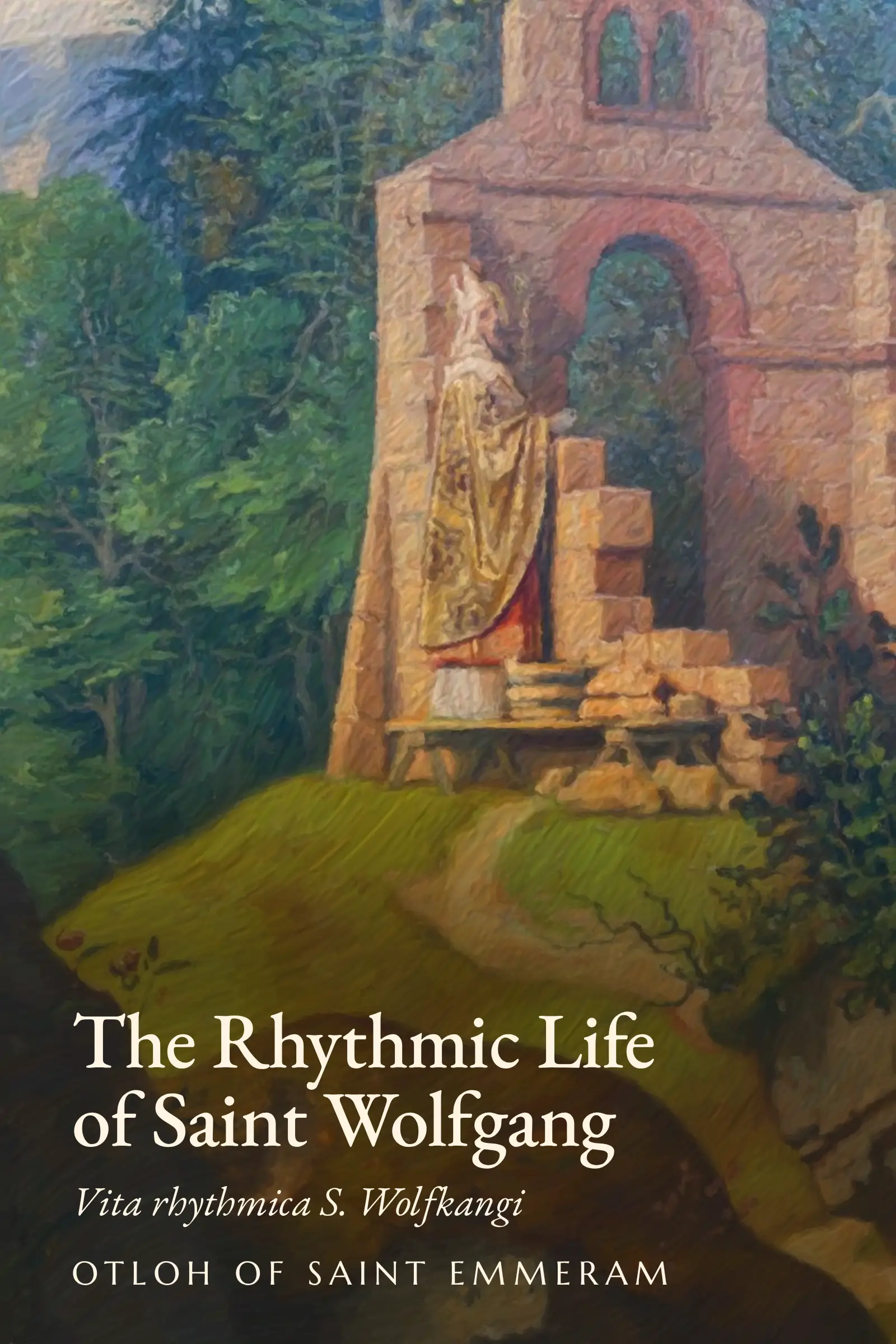
The Rhythmic Life of Saint Wolfgang
Otloh of St Emmeram
Feast: 31 October
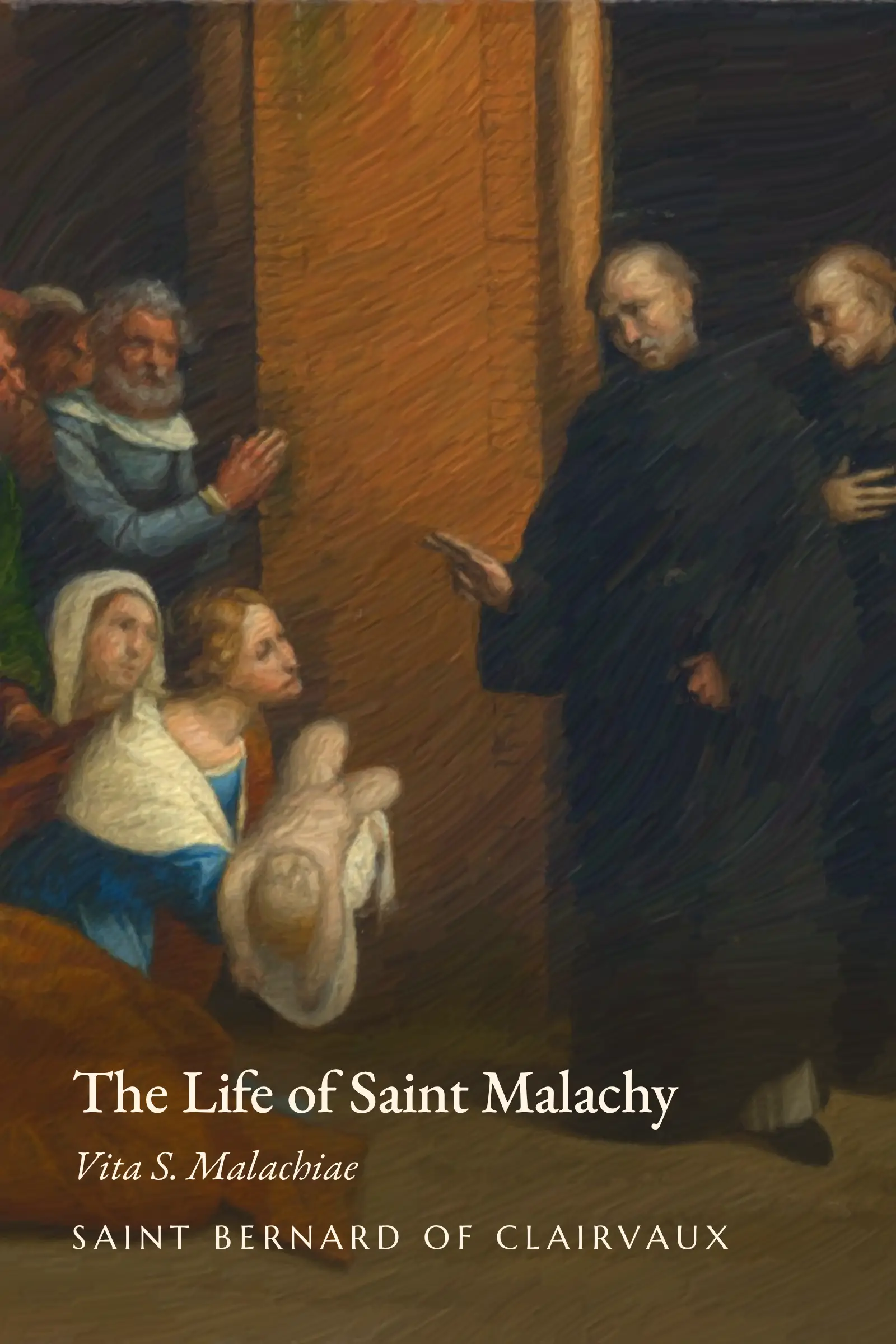
The Life of Saint Malachy
Saint Bernard of Clairvaux
Feast: 3 November
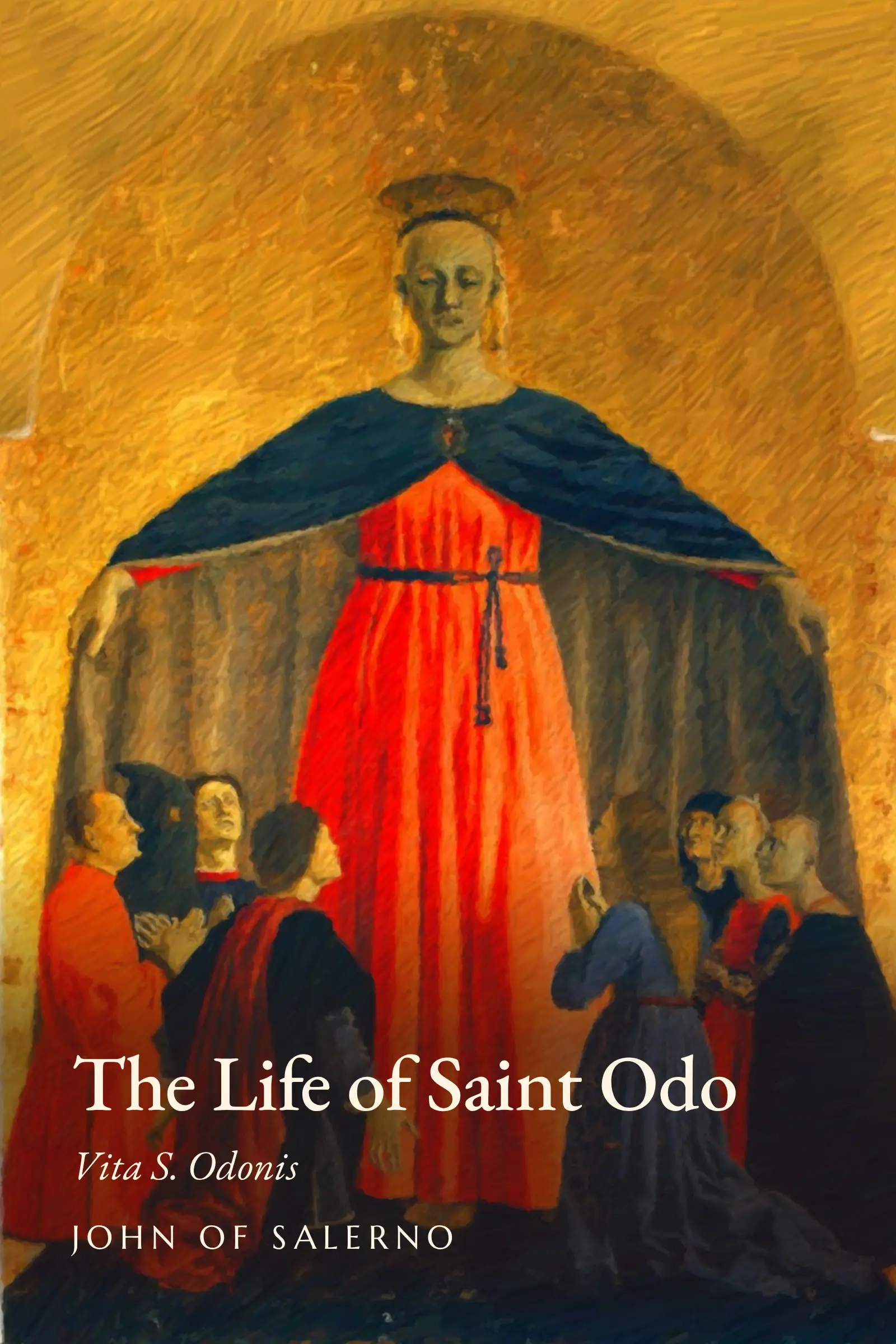
The Life of Saint Odo
John of Salerno
Feast: 18 November
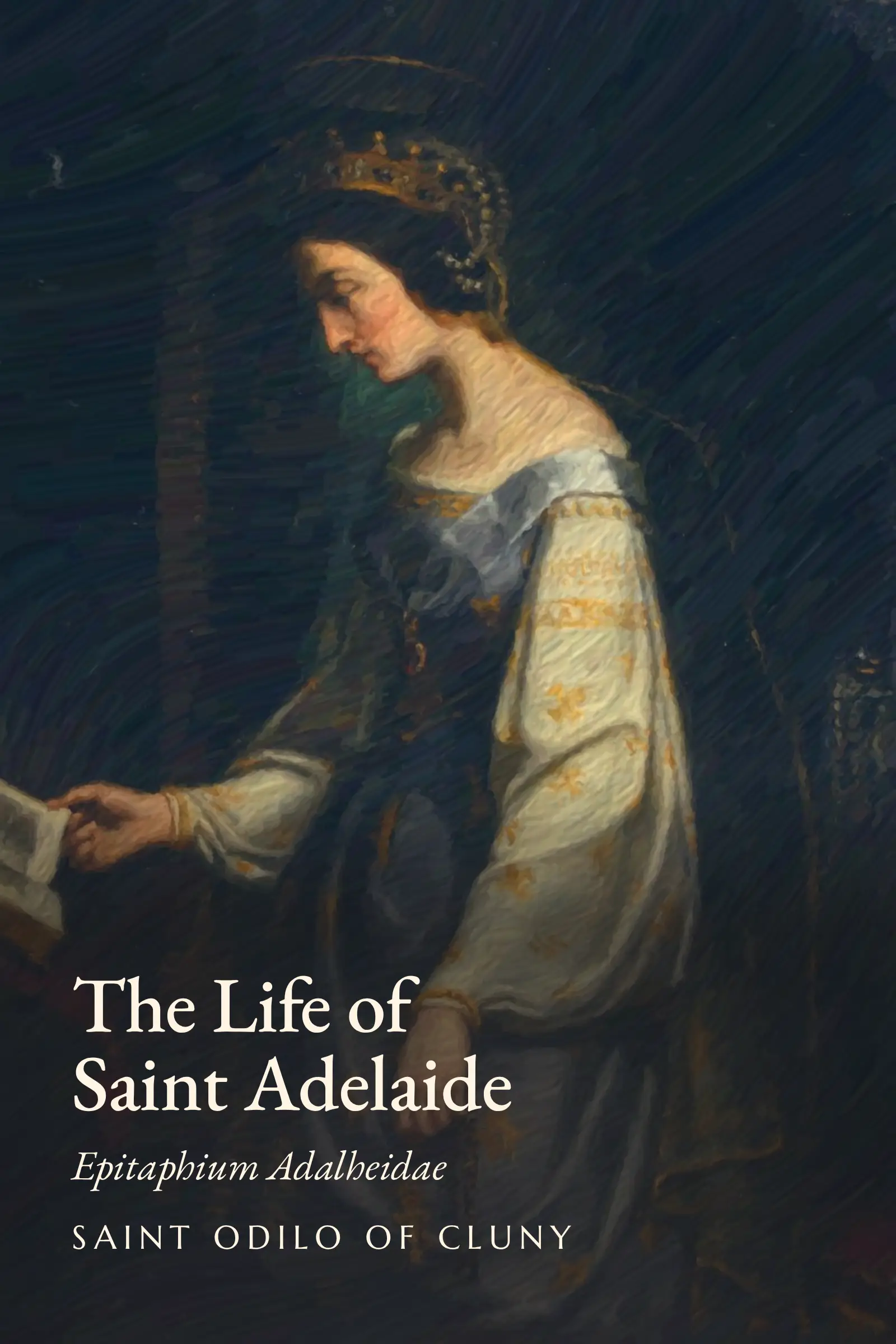
The Life of Saint Adelaide
Odilo of Cluny
Feast: 16 December
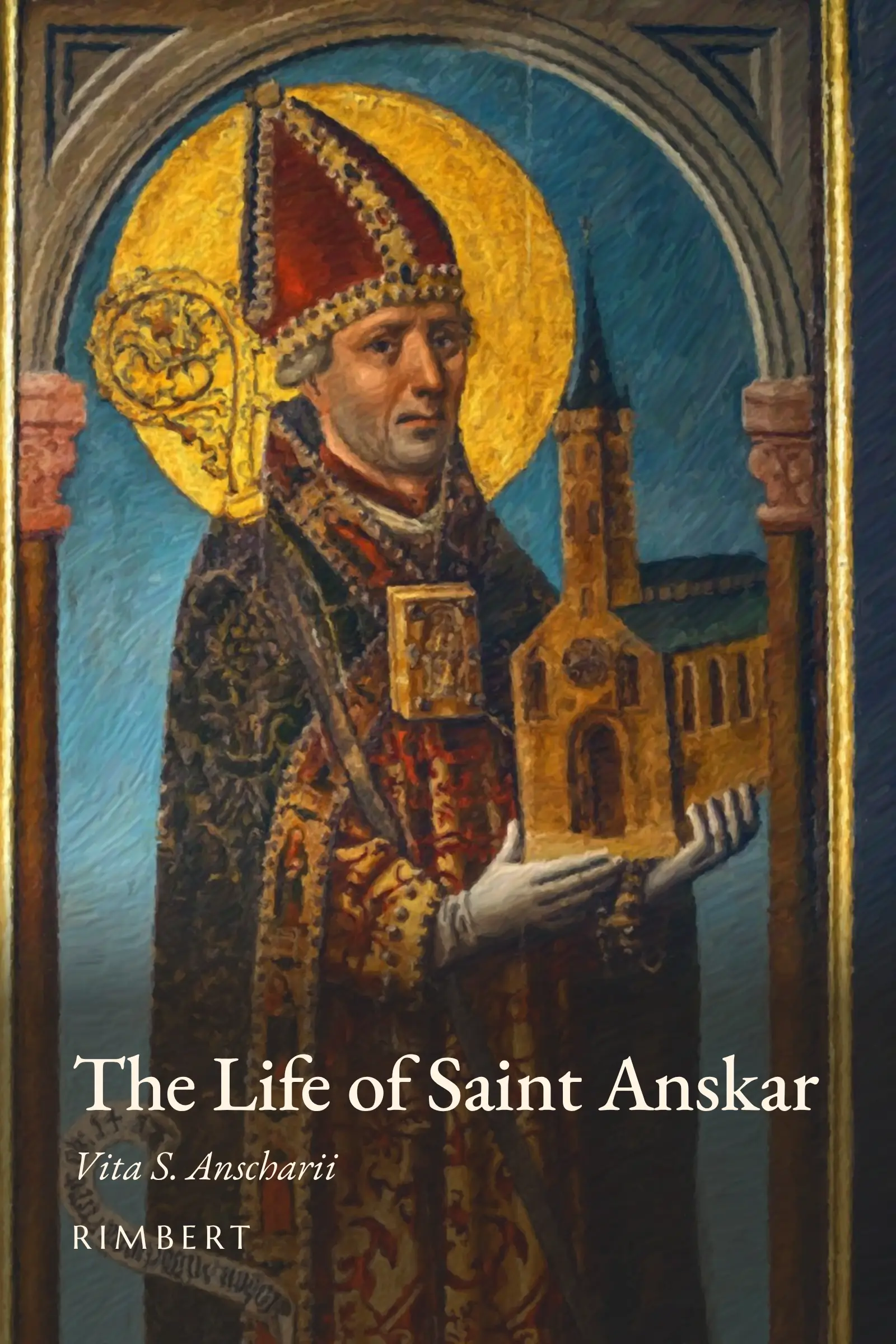
The Life of Saint Anskar
Rimbert
Feast: 3 February
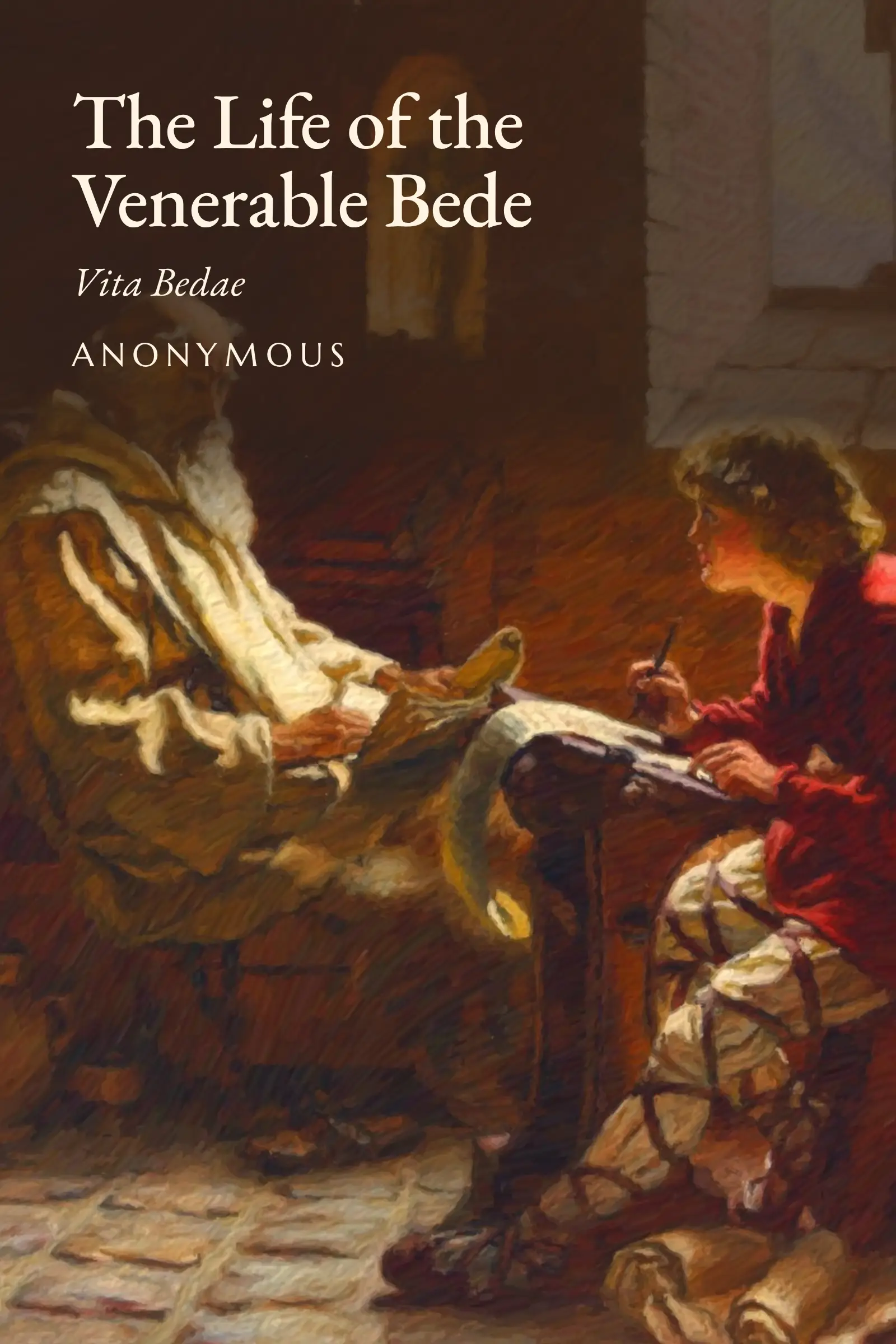
The Life of the Venerable Bede
Anonymous
Feast: 25 May