
Page by page, with your progress saved.
The Life of the Emperor Henry II (973–1024), founder of the bishopric of Bamberg, written at Bamberg by a cleric of the cathedral around 1147, in the years of his canonisation and the raising of his body.
Lives of the Saints
4 entries in the contents · 411 sentences
Downloads
All our editions are free. Pick your format:
Phone PDF
Large type and minimal margins, made for reading on a phone.
76 pp. · 329 KB
Bilingual EPUB
Latin and English paragraph by paragraph, for any e-reader.
110 KB
Facing-page PDF
Latin on the left-hand pages, English on the right, in sync.
89 pp. · 467 KB
Latin PDF
The original Latin text only, pocket format.
69 pp. · 318 KB
Print editions in paperback and hardcover, coming soon on Amazon.
Contents
A page
Latin
Anno ab incarnatione domini millesimo primo, ab urbe autem condita millesimo septingentesimo quinquagesimo secundo, Ottone puero Rome defuncto, vacante regni solio, cum de principe subrogando ageretur, omnium vota nutu divino ad eum inclinantur, qui tum in regno habebatur potissimus. Fuit namque per idem tempus dux Bauuariomm Heinricus tam bonitate quam nobilitate regia conspicuus et universa morum honestate preclarus. Hic inicium sapientię, timorem domini, pleniter secutus est, quia erat omni literarum studio principaliter imbutus et totus sane fide et actu catholicus.
English
In the year one thousand and one from the Incarnation of the Lord, and one thousand seven hundred and fifty-two from the founding of the City, when the young Otto had died at Rome and the royal throne stood empty, and men were deliberating whom to set in his place as prince, the wishes of all, by the will of God, inclined towards him who was then held to be the mightiest in the realm. For at that time Henry was Duke of the Bavarians, a man conspicuous for royal goodness as much as for royal birth, and renowned for every uprightness of character. He had followed to the full the beginning of wisdom, the fear of the Lord (Ps 111:10), for he had been steeped above all in every study of letters, and was wholly Catholic in faith and in deed.
About this translation
Henry, Duke of Bavaria, became king in 1002 and was crowned emperor in Rome in 1014; he died in 1024 and was buried in the cathedral of Bamberg, the bishopric he had founded on his own inheritance. Pope Eugene III declared him a saint in 1146, and in 1147 his body was raised from the tomb. This Life was written at Bamberg in those years by a cleric of the cathedral who does not give his name (older editions call him Adalbert, a deacon of Bamberg). He writes for the clergy and people of his church, and he tells of things he had from trustworthy elders or had seen himself.
The Life runs to forty-three chapters: Henry's election, the vision of Saint Wolfgang, his wars against the Slavs, the restoring of Merseburg and the founding of Bamberg; then, as the author himself announces, the charters and papal letters that founded and confirmed the see (chapters 8–16 and 23–24); then the story resumes with the ordeal of the Empress Cunigunde, Henry's cure at Monte Cassino, Pope Benedict VIII's Easter at Bamberg, the conversion of Hungary, his death, and the miracles at his tomb up to the canonisation. Where the edition prints two versions side by side (chapters 22, 23 and 25), this translation follows the second and fuller one. At the end come three short pieces that the editor printed in an appendix from manuscripts of the Life: an account of the canonisation and of the raising of the body, a prologue, and a preface with Henry's lineage. These later pieces confuse some names and numbers; they are translated as they stand.
Two things help the reader. Henry was the second king of his name but the first emperor, so the documents call him both “Henry the Second” and “the first emperor Henry”; “Henry the Third”, “the second emperor”, is the Salian Henry III, son of Conrad II. And the young Otto whose death opens the first chapter (“Otto the Boy” in the preface at the end) is the Emperor Otto III, who died in 1002. Obvious misprints in the Latin are translated by their evident sense.
Edition and source of the text: Latin text: Monumenta Germaniae Historica, Scriptores rerum Germanicarum in usum scholarum 69 (Die Vita sancti Heinrici regis et confessoris und ihre Bearbeitung durch den Bamberger Diakon Adelbert), ed. Marcus Stumpf (Hannover: Hahn, 1999), pp. 225–334, via Corpus Corporum (mlat.uzh.ch) and the digital MGH (dmgh.de); reproduced for non-commercial reading with credit to the edition. The editor's apparatus and the parallel text of the first version are omitted; Scripture references follow modern numbering.
Lives of the Saints
Medieval Lives of the saints, written by their contemporaries or disciples and translated here for the first time into Spanish and English from the Latin text of their editions.
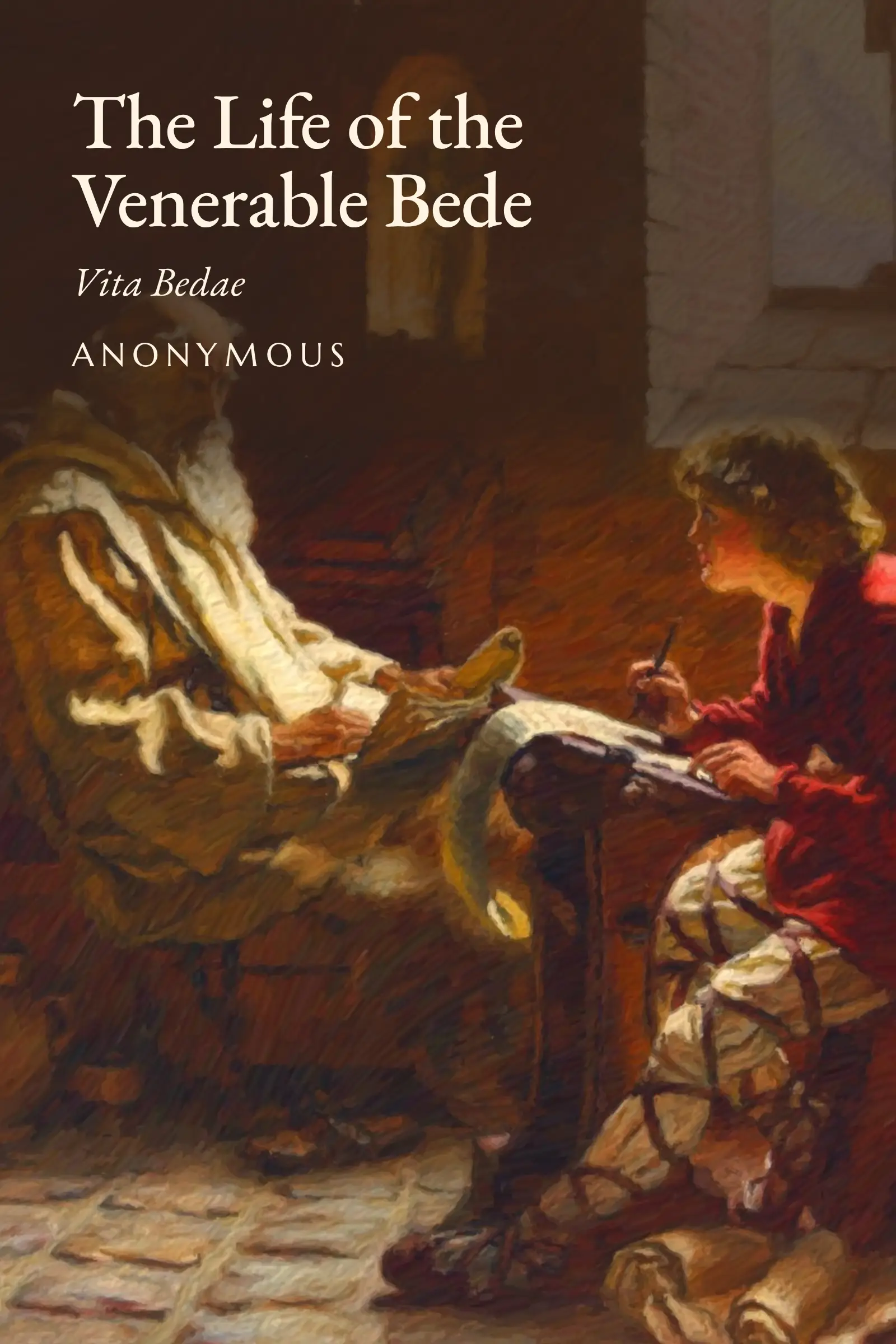
The Life of the Venerable Bede
Feast: 25 May
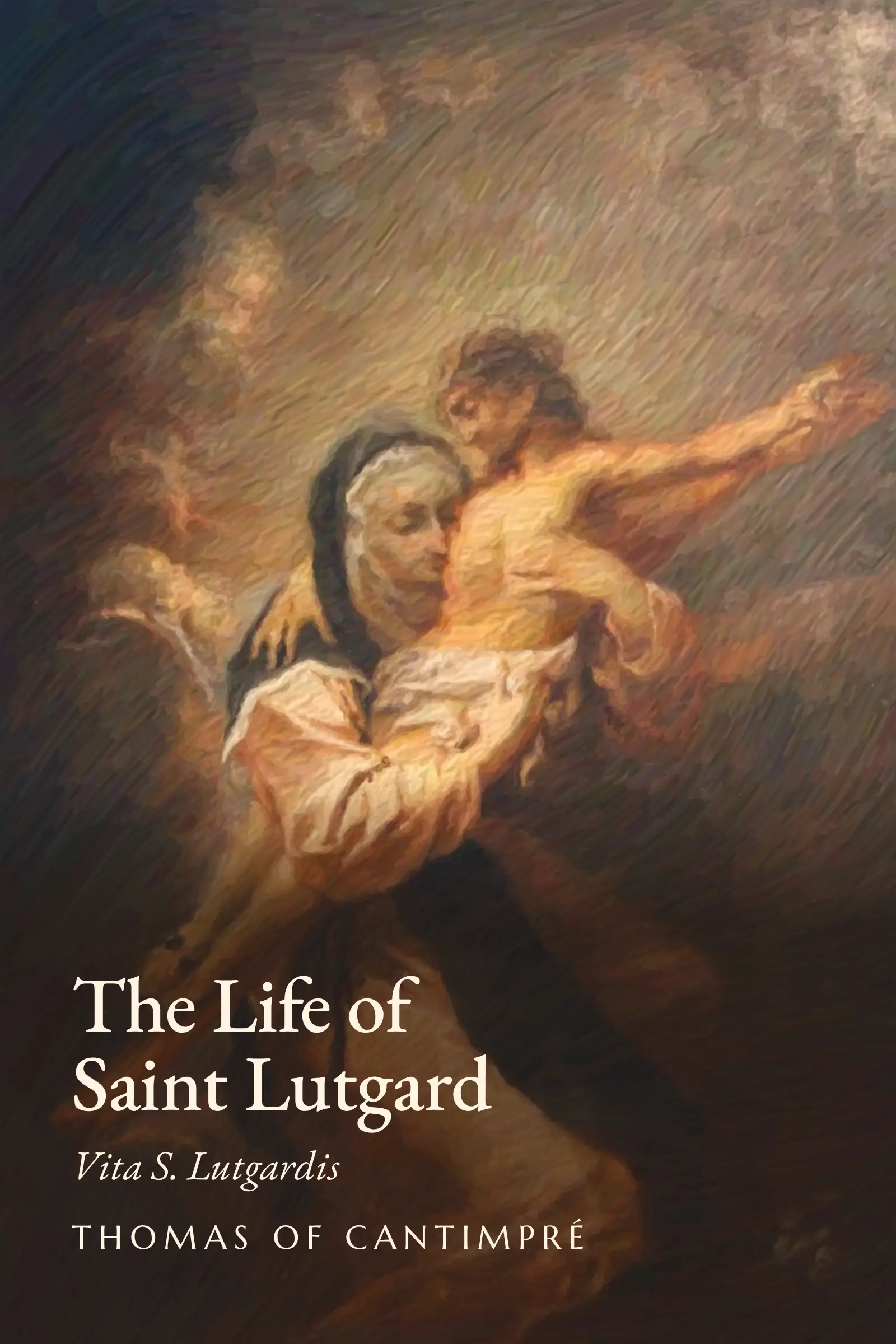
The Life of Saint Lutgard
Thomas of Cantimpré
Feast: 16 June
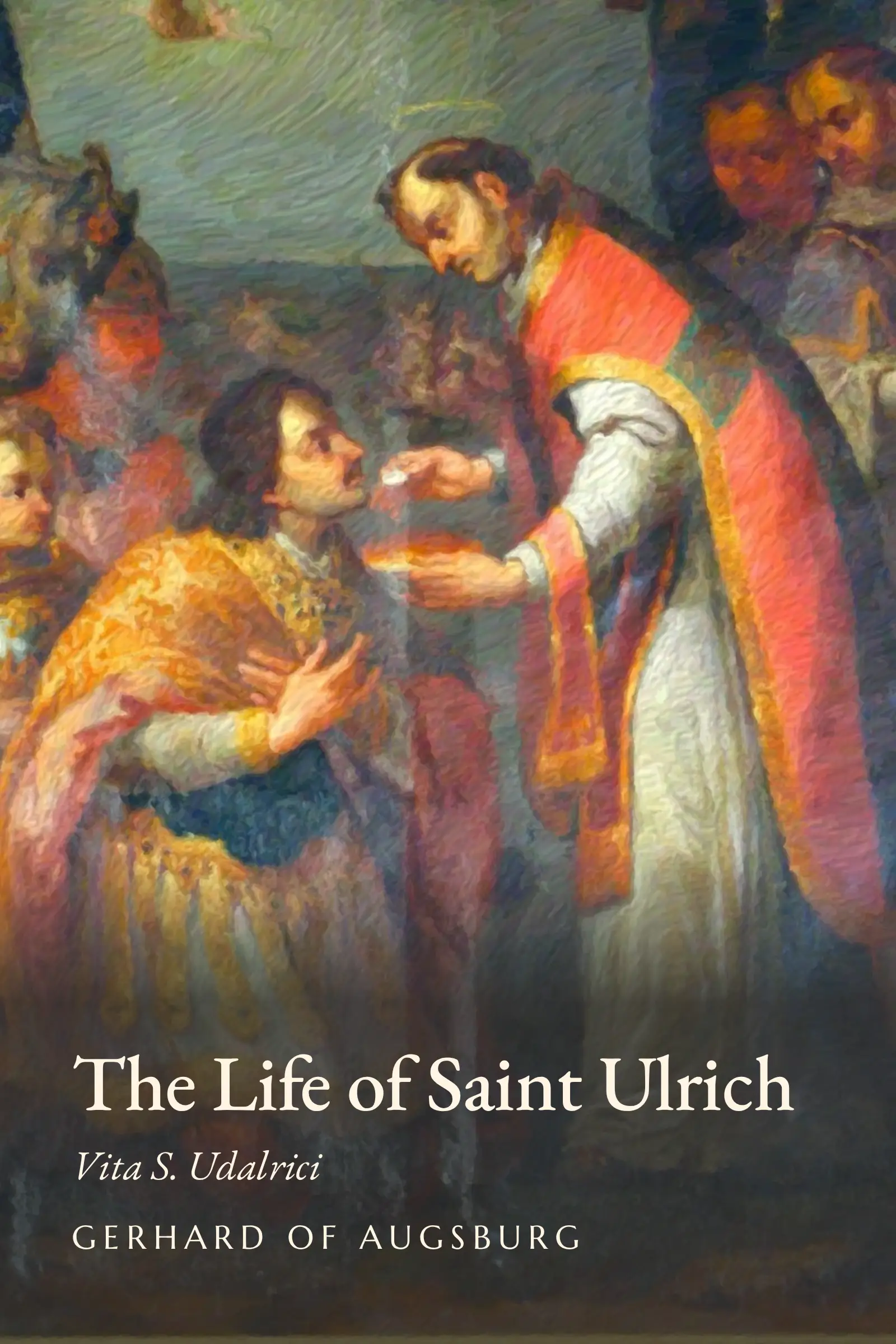
The Life of Saint Ulrich
Gerhard of Augsburg
Feast: 4 July
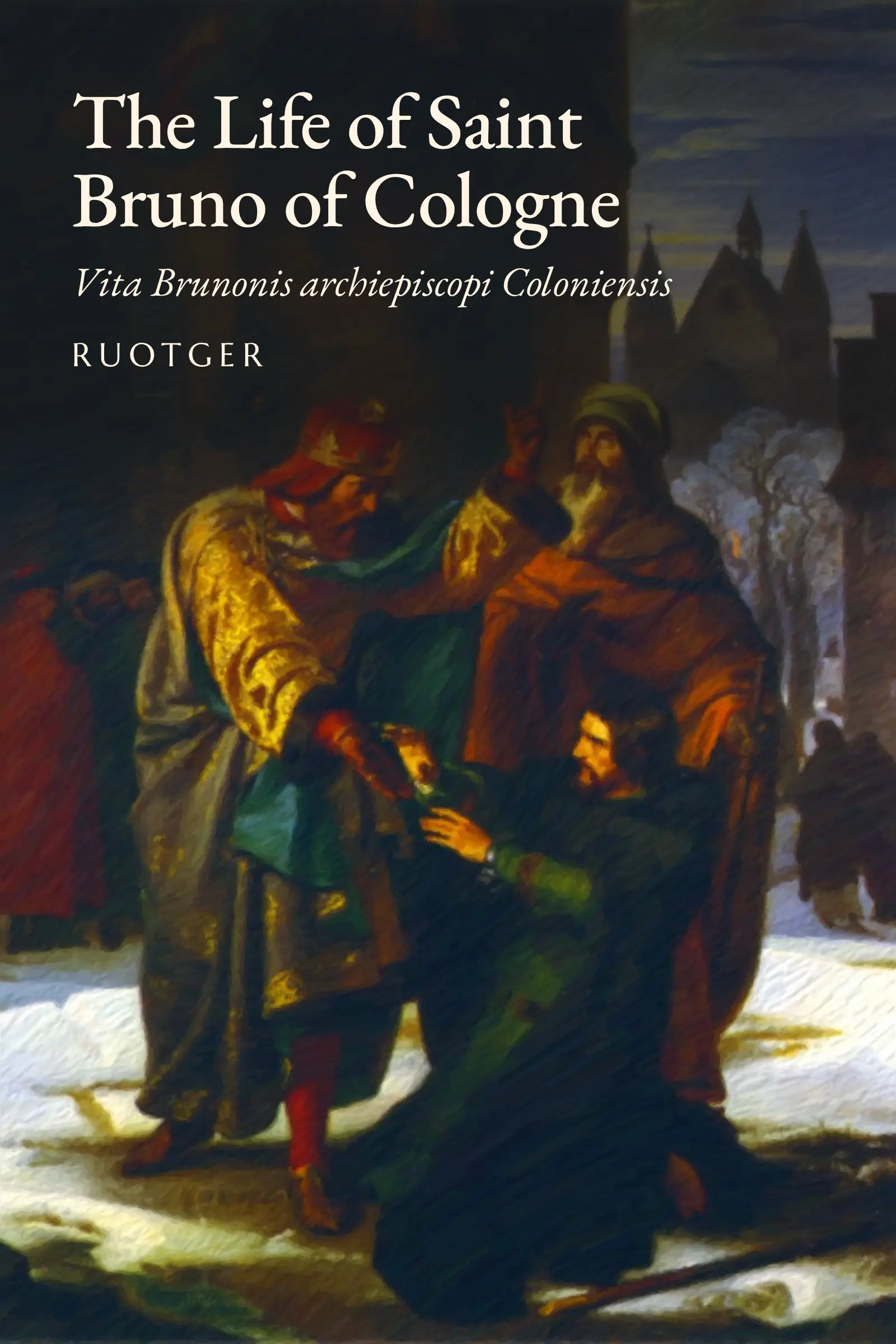
The Life of Archbishop Bruno
Ruotger
Feast: 11 October
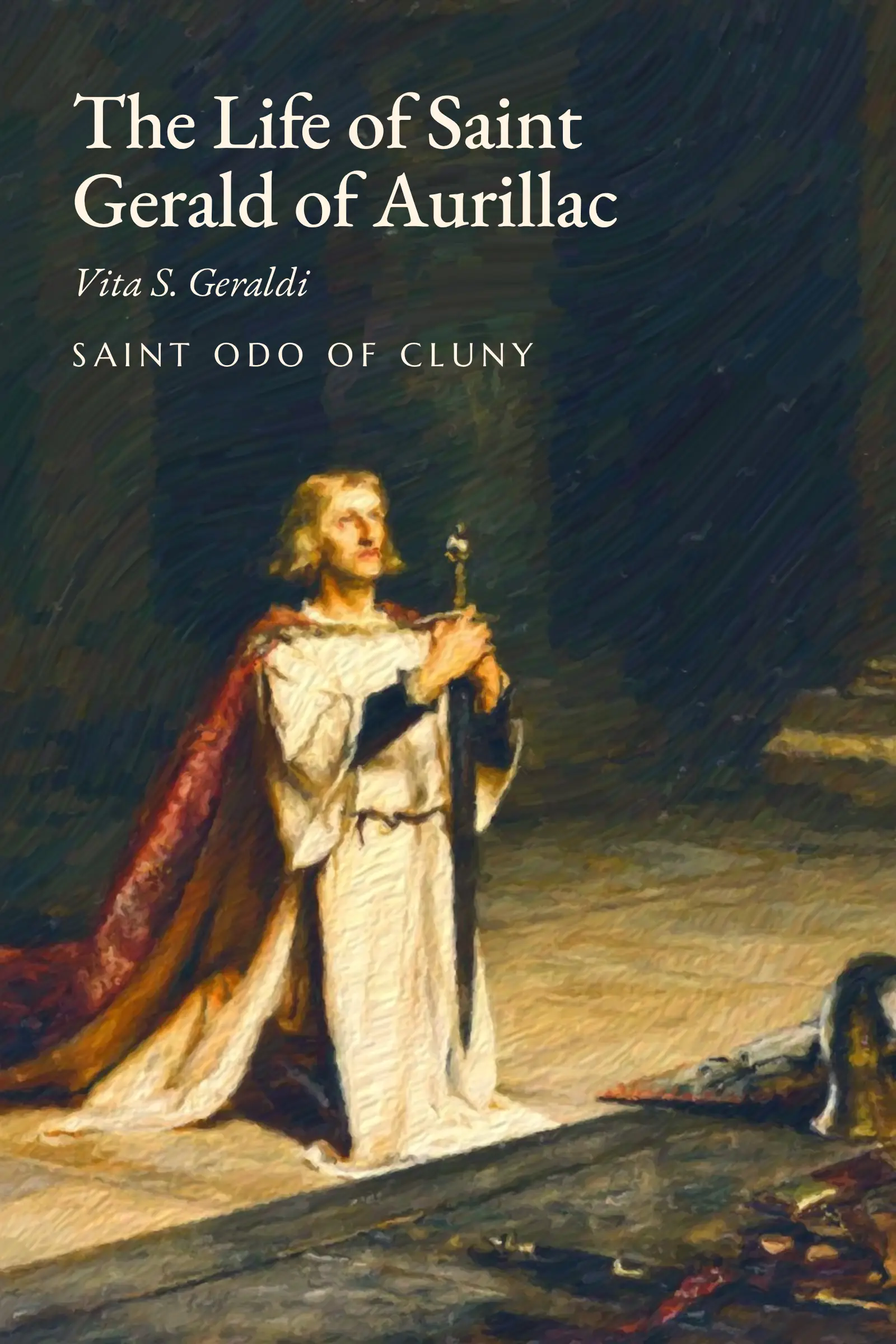
The Life of Saint Gerald of Aurillac
Odo of Cluny
Feast: 13 October
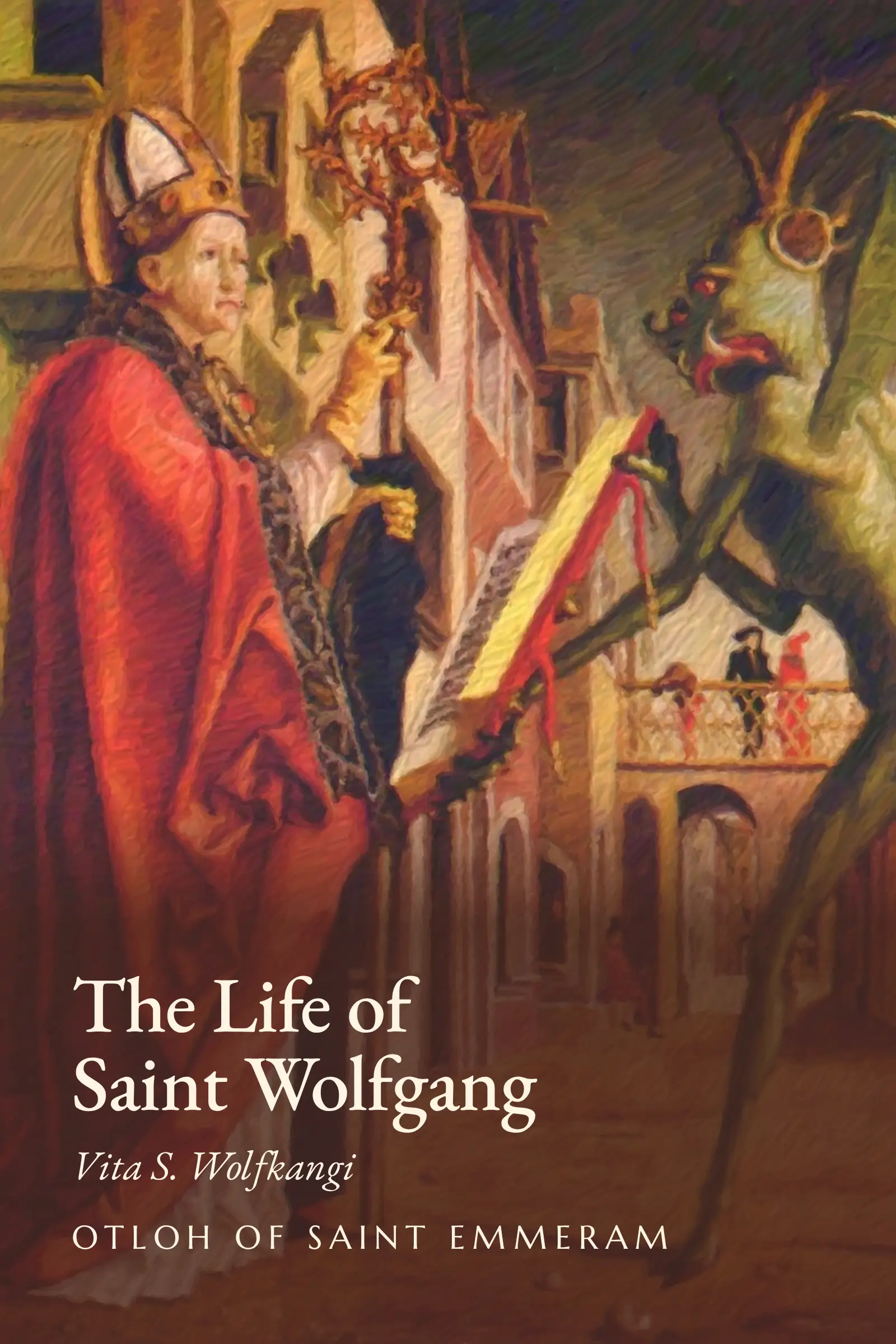
The Life of Saint Wolfgang
Otloh of St Emmeram
Feast: 31 October