Page by page, with your progress saved.
The Life of Saint Anskar (801–865), monk of Corbie, first missionary to the Danes and Swedes and archbishop of Hamburg-Bremen, the Apostle of the North, written by his disciples soon after his death and attributed to Rimbert, his successor.
Lives of the Saints
72 entries in the contents · 623 sentences
Downloads
All our editions are free. Pick your format:
Phone PDF
Large type and minimal margins, made for reading on a phone.
104 pp. · 487 KB
Bilingual EPUB
Latin and English paragraph by paragraph, for any e-reader.
164 KB
Facing-page PDF
Latin on the left-hand pages, English on the right, in sync.
119 pp. · 689 KB
Latin PDF
The original Latin text only, pocket format.
96 pp. · 460 KB
Print editions in paperback and hardcover, coming soon on Amazon.
Contents
Preface. To the Monks of Old Corbie0 chapters
Here Begins the Life · 2. The boy Anskar is called back from empty games by a sign from heaven70 chapters
- Read from here
- 3. As a monk, hearing of the death of Charles, he grows more fervent.
- 4. In ecstasy he is led by the saints into purgatory.
- 5. Then into paradise.
- 6. He learns that he will be a martyr; how.
- 7. As master of the school he is admonished by Christ to confess his sins.
- 8. He sees the soul of Fulbert caught up into heaven.
- 9. He moves from Old Corbie to the New, where he becomes master and teacher
- 10. On what occasion he was sent to Denmark with King Harald, at the request of Louis the Pious.
- 11. The brethren disapprove of his pilgrimage, though Wala consents.
- 12. Autbert joins him.
- 13. Both set out for Denmark with Harald. They are well received at Cologne. They reach the borders of the Danes.
- 14. They instruct the pagans and open schools for boys. Autbert dies at Corbie.
- 15. When the Swedes ask for preachers, Anskar is sent to them by Louis, fired with the desire to suffer by a heavenly vision.
- 16. He is given Witmar as companion, Gislemar taking his place in Denmark. He is robbed by pirates.
- 17. Kindly received by the king of Sweden, he happily undertakes the conversion of the people.
- 18. Anskar reports the matter to the emperor.
- 19. He obtains the see of Hamburg, designated by Charles and established by Louis. He is consecrated archbishop.
- 20. Confirmed by Gregory IV, he is made legate to the peoples of the North.
- 21. He receives Bishop Gautbert as his helper, and others from Old Corbie.
- 22. When Hamburg is laid waste by pirates, Anskar bears the loss of all things patiently.
- 23. Gautbert is harassed by the Swedes; Nithard is slain.
- 24. The Swedes are punished.
- 25. After seven years Anskar sends Ardgar to them.
- 26. Herigar, having himself suffered much, works miracles.
- 27. Further miracles of the same man.
- 28. King Anund attacks the people of Birka with the Danes.
- 29. Herigar persuades the people of Birka to call upon Christ.
- 30. When this is done they are delivered from the enemy's attack.
- 31. Herigar urges the inhabitants to believe in Christ; then he dies devoutly.
- 32. Frideburg, constant in the faith, has wine kept for her viaticum.
- 33. She orders her goods to be distributed to the poor. As her daughter carries it out, the money does not diminish.
- 34. Ardgar returns from Sweden to his solitude.
- 35. After the death of Louis the Pious, Anskar is left without the necessities of life. He is deserted by his companions.
- 36. Through the efforts of Louis, king of Germany, he receives the bishopric of Bremen, with the approval of a council.
- 37. Part of the diocese is restored to the bishop of Verden; he himself keeps the see of Hamburg.
- 38. The bishop of Cologne at first disapproves of this union.
- 39. Envoys are sent to Rome, and Nicholas I ratifies this union. The legation for the northern regions is granted to Anskar.
- 41. Anskar, on friendly terms with Horik, king of the Danes, builds a church with his consent, and freedom is granted to the Christian religion.
- 42. Why some put off baptism, and how others received it together with bodily health.
- 43. Anskar, having asked Horik's leave, and Gautbert declining, undertakes the mission to the Swedes once more.
- 44. He is encouraged by a heavenly vision.
- 45. Commended by Horik to the king of the Swedes, he comes to Sweden, which is in turmoil at the prompting of demons.
- 46. Though his friends advise against it, he invites the king to a banquet; the king approves the mission, on condition of a casting of lots.
- 47. Anskar is strengthened by divine inspiration. The lots favour his undertaking.
- 48. The assembly too gives its consent.
- 49. He receives leave to build a church.
- 50. By contemplating the Passion he learns to bear adversity.
- 51. The Swedes attack the Curonians, victors over the Danes.
- 52. Having called on their gods in vain, they turn to Christ.
- 53. They win the victory through a treaty; they vow fasts; they devote themselves to almsgiving.
- 54. When Horik the Younger succeeds his father, access to the church is closed, then granted again at the king's wish; leave is given to found another.
- 55. Various ministers are sent to the Swedes.
- 56. Anskar is strengthened again and again by Ebbo. He bears adversity with an even mind.
- 57. Anskar, a worthy monk; as bishop, an imitator of the saints. He wears a hair shirt constantly. He loves solitude.
- 58. Sparing in his diet and tempted to vainglory on that account, he is freed from this vice by God. In old age he makes up for his abstinence with almsgiving.
- 59. Out of zeal for devotion Anskar writes books. Given to tears, he uses the sayings of Scripture to that end.
- 60. He recited different psalms according to the place and the time.
- 61. Generous to the poor, he endows a hospice for their sake. He cares for all. He carries a purse in his belt. In Lent he feeds four poor people and serves them.
- 62. He knows the future beforehand; he consults God in what he must do. He learns from heaven beforehand that he will be the shepherd of the church of Bremen.
- 63. At Torhout he brings up boys of the Northmen. He foresees Reginar's punishment for taking them away from there.
- 64. How solicitous he was for his flock; gentle and severe in his preaching.
- 65. He forbids work on a feast day. God punishing the transgressors
- 66. He secures the freeing of captives.
- 67. He heals the sick with oil. He shuns vainglory.
- 68. A martyr all his life. Stricken with dysentery. He grieves that martyrdom has been snatched from him.
- 69. He is comforted by God. He has the privileges granted to him copied out, commending their execution to the king.
- 70. He longs to die on the day of the Purification of Blessed Mary, and on its eve orders three candles to be lit. On the feast, after Masses have been said for him, he waits fasting for the public Mass.
- 71. After the litanies have been said, he receives viaticum following the Masses. He redoubles his prayers for himself and for others. He dies.
- 72. All mourn. The epilogue of his praise.
- 73. How he was a martyr.
A page
Latin
Dominis sanctissimis, et in Christi amore praecipua veneratione recolendis ac diligendis Patribus et fratribus in sacratissimo Corbeiae monasterio Deo militantibus, filii atque discipuli reverendissimi Patris ANSCHARII perennem perpetuae felicitatis orant in Domino dominantium pacem et salutem.
English
To the most holy lords, the fathers and brethren who serve as soldiers of God in the most sacred monastery of Corbie, to be remembered with singular veneration and loved in the love of Christ, the sons and disciples of the most reverend Father ANSKAR pray, in the Lord of lords, for the unending peace and salvation of everlasting happiness.
About this translation
Anskar (Anscharius, also known as Ansgar, 801–865) was a monk of Corbie in Picardy who became the first missionary to the Danes and Swedes, archbishop of Hamburg and later of Bremen; he is remembered as the Apostle of the North. This Life was written soon after his death on 3 February 865 by his disciples, and tradition names as its author Rimbert, his companion and his successor in the see, who died in 888. It is addressed, as a letter, to the monks of Corbie, where Anskar had made his profession: the writers speak of themselves as “we”, and of Corbie as “your” house.
The narrative follows Anskar from the visions of his boyhood, through his teaching at Corbie and at New Corbie (Corvey) in Saxony, his journeys with the Danish king Harald and to the trading town of Birka in Sweden, the founding of the see of Hamburg, its sack by the Northmen, its union with Bremen confirmed by Pope Nicholas I, whose letter is quoted, and his second mission to Sweden, to the portrait of his life of prayer and almsgiving and his death. The closing chapters explain why he is to be counted a martyr, although he did not die by the sword: the voice of his youthful vision had promised that he would return crowned with martyrdom.
The short summaries at the head of each chapter come from the printed edition, not from the author; they are kept as guides, and the few that break off in the source are translated as they stand. In chapter 56 the Corpus Corporum transcription had displaced the end of Ebbo's prophetic answer with a few lines from Haymo of Halberstadt's chapter on Origen, printed elsewhere in the same volume; the passage is given here as Migne's column actually prints it, checked against Waitz's edition of 1884. Elsewhere small slips of the press, such as a phrase printed twice, are passed over and the sense is followed. The priest Rimbert, of Danish birth, whom Anskar sends to Sweden in chapter 55, and who is still serving there as the Life is written, shares the author's name.
Edition and source of the text: Latin text: Patrologia Latina 118, cols. 959–1012, via Corpus Corporum (mlat.uzh.ch); public domain. The editor's apparatus and variant readings are omitted; Scripture references follow modern numbering. One passage in chapter 56, garbled in the transcription, is restored from the printed column and from G. Waitz's edition (MGH SS rer. Germ. 55, 1884).
Lives of the Saints
Medieval Lives of the saints, written by their contemporaries or disciples and translated here for the first time into Spanish and English from the Latin text of their editions.
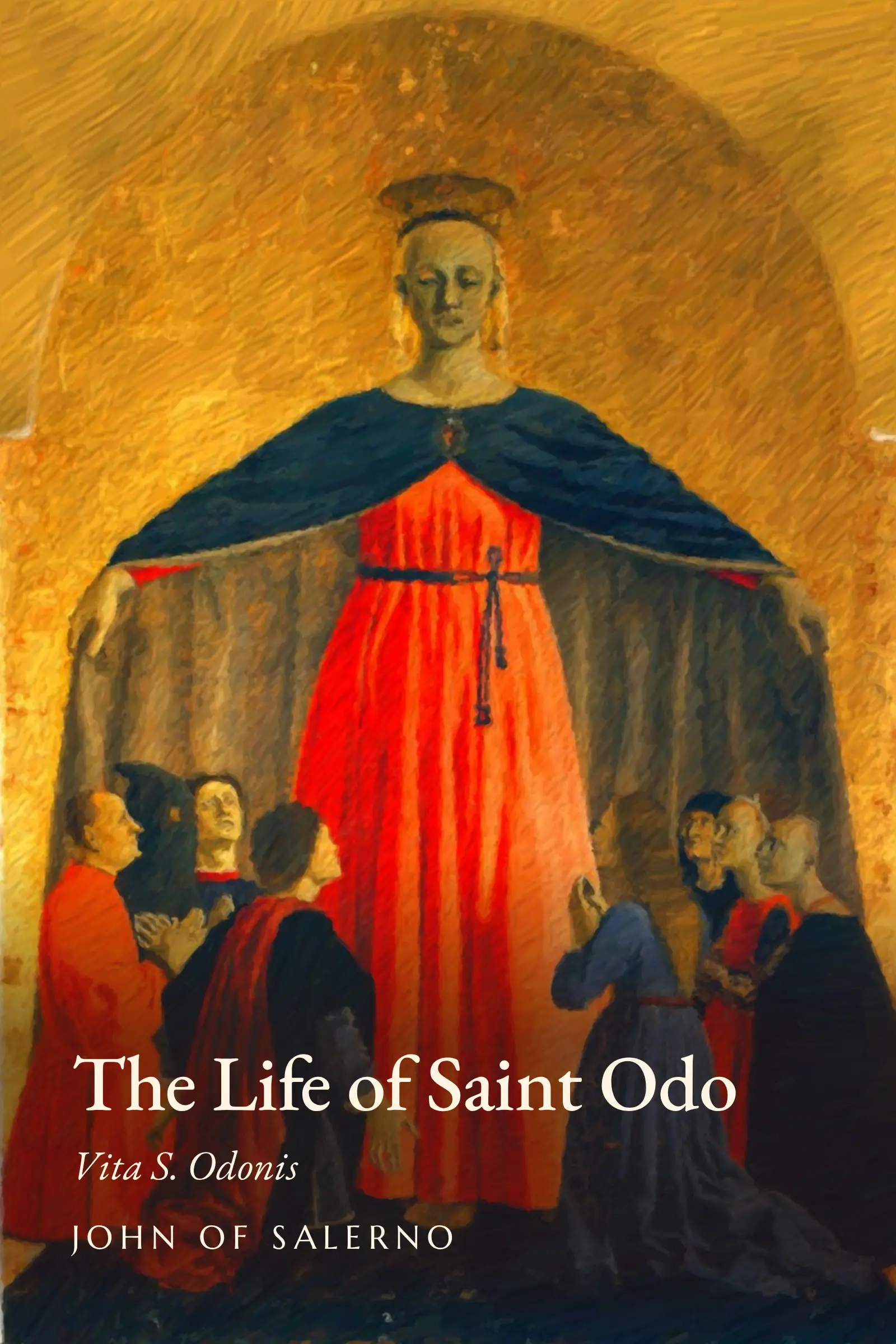
The Life of Saint Odo
John of Salerno
Feast: 18 November
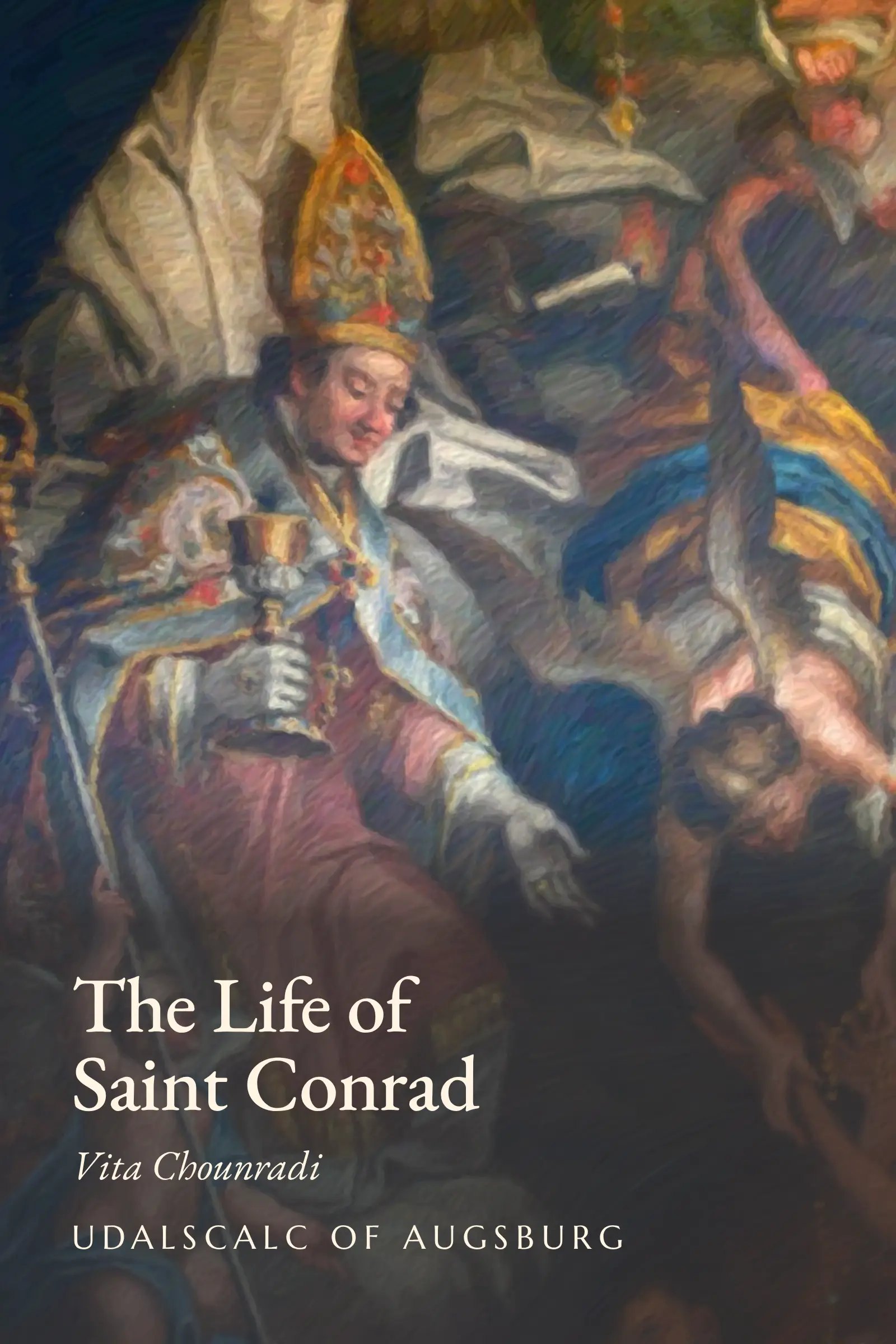
The Life of Saint Conrad
Udalscalc of Augsburg
Feast: 26 November
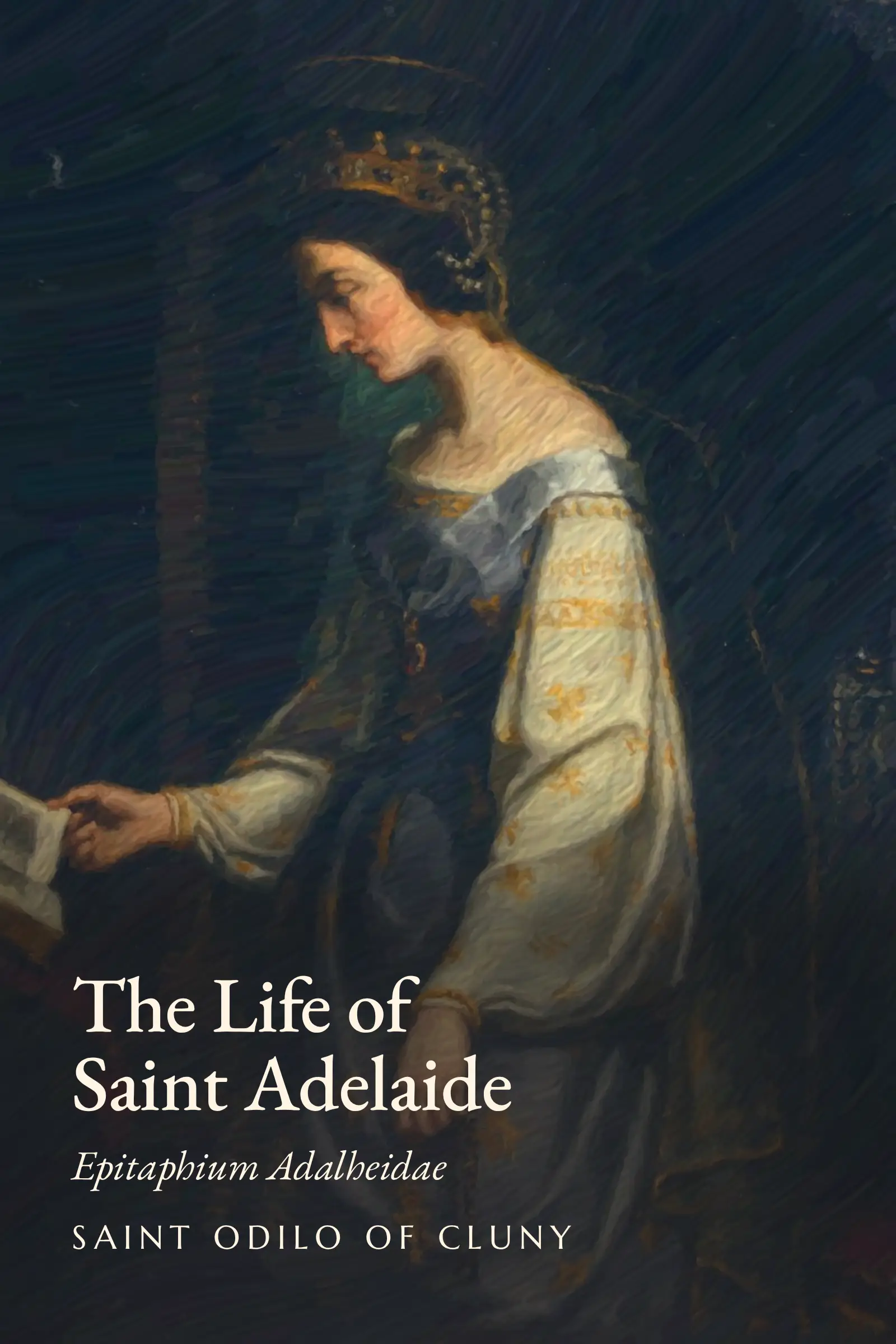
The Life of Saint Adelaide
Odilo of Cluny
Feast: 16 December
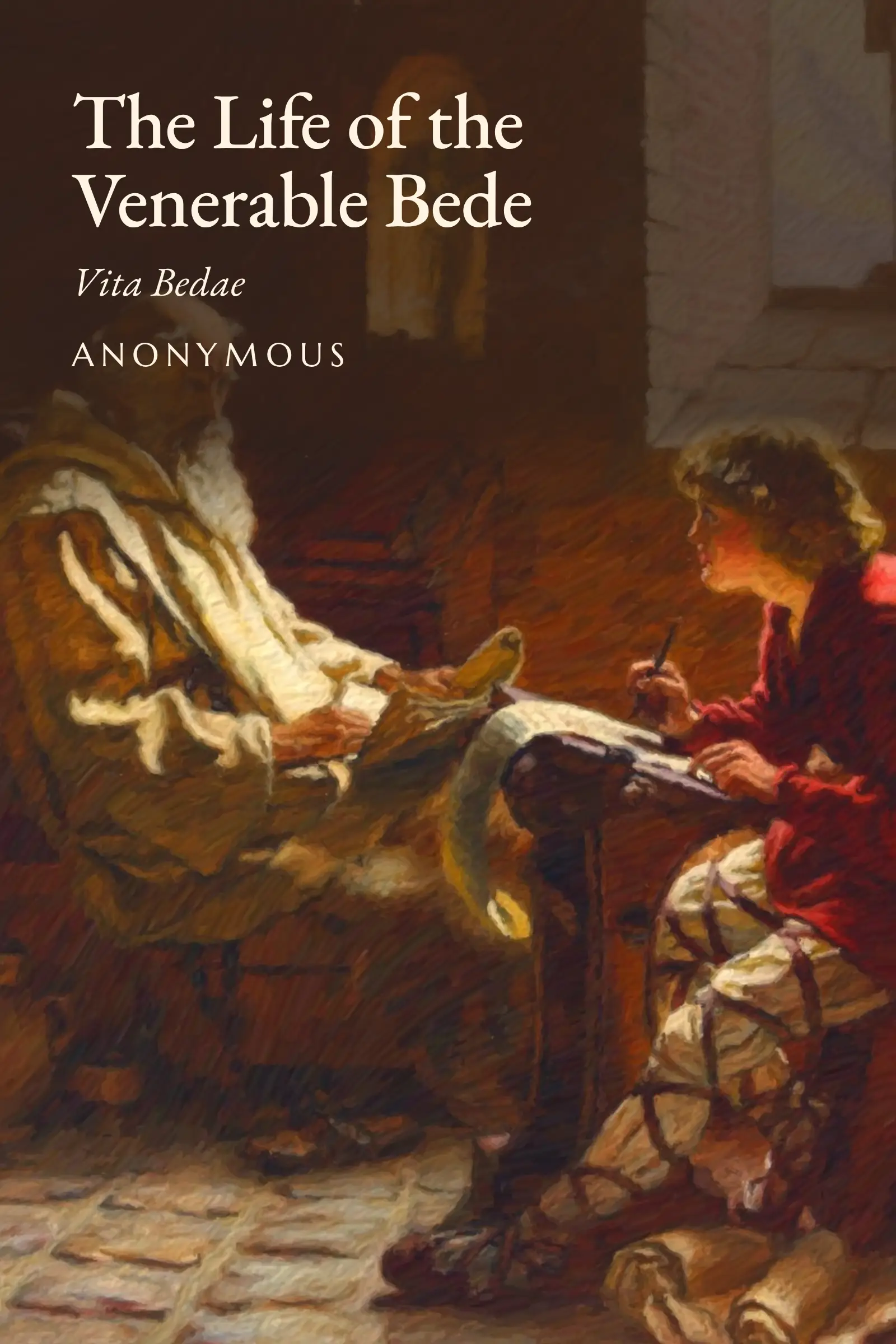
The Life of the Venerable Bede
Anonymous
Feast: 25 May
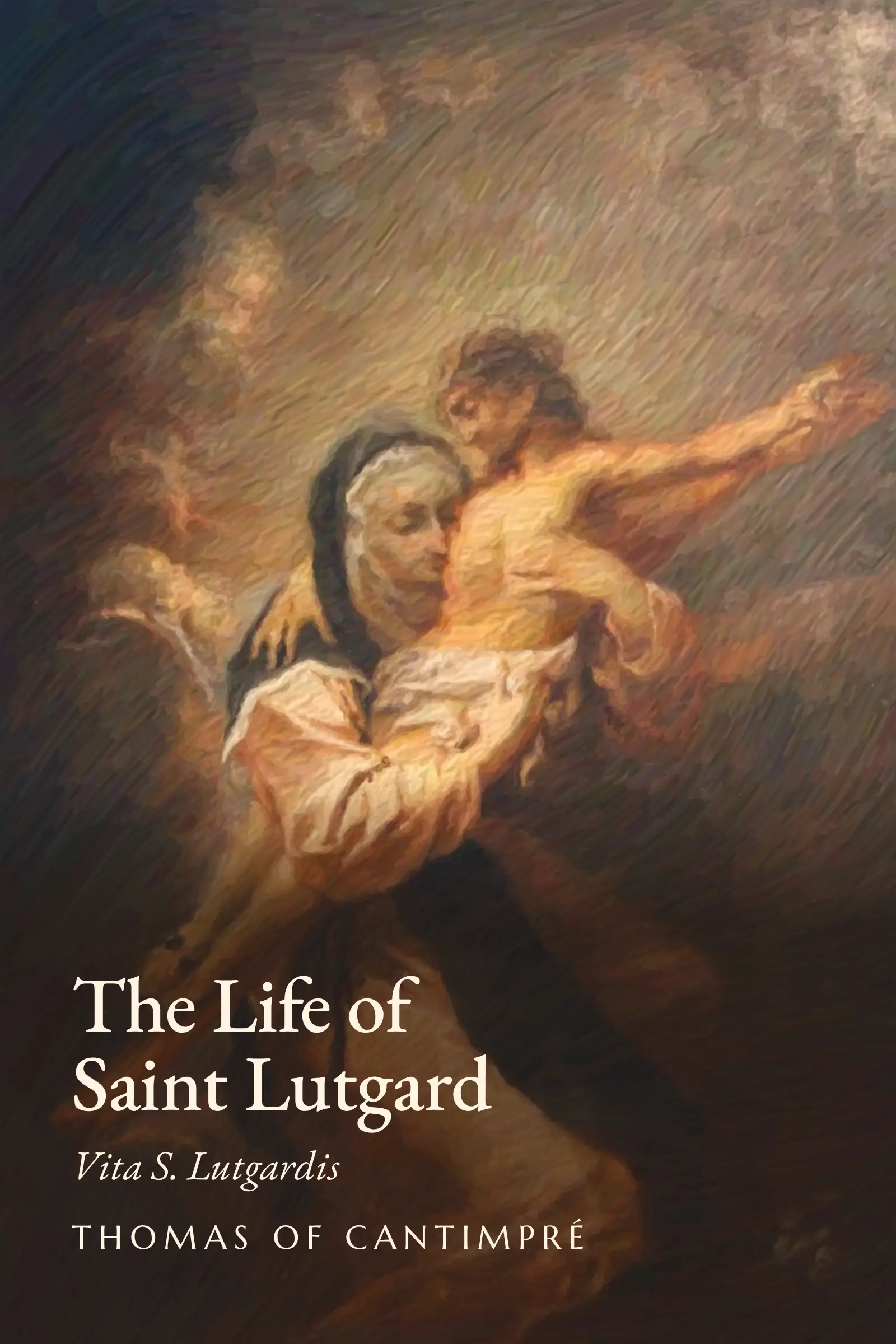
The Life of Saint Lutgard
Thomas of Cantimpré
Feast: 16 June
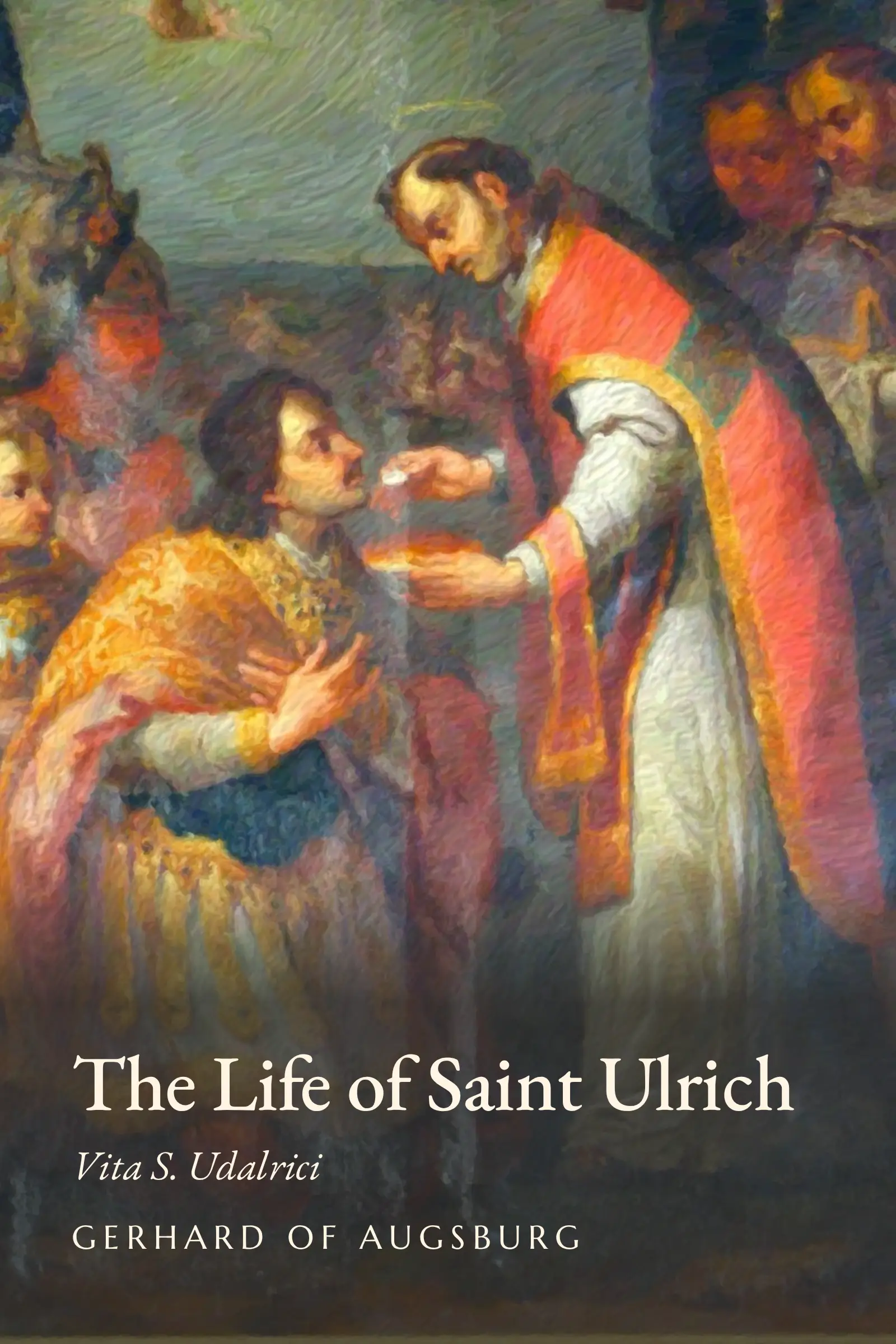
The Life of Saint Ulrich
Gerhard of Augsburg
Feast: 4 July