
Page by page, with your progress saved.
A funeral eulogy of the Empress Adelaide (c. 931–999), wife of Otto the Great, by Odilo, abbot of Cluny, who knew her in her last years: her widowhood and captivity, her foundations and her death at Selz. With the verse epitaph and the Book of Miracles of Selz that accompany it in the edition.
Lives of the Saints
5 entries in the contents · 311 sentences
Downloads
All our editions are free. Pick your format:
Phone PDF
Large type and minimal margins, made for reading on a phone.
42 pp. · 190 KB
Bilingual EPUB
Latin and English paragraph by paragraph, for any e-reader.
67 KB
Facing-page PDF
Latin on the left-hand pages, English on the right, in sync.
49 pp. · 281 KB
Latin PDF
The original Latin text only, pocket format.
38 pp. · 178 KB
Print editions in paperback and hardcover, coming soon on Amazon.
Contents
A page
Latin
Hoc tegitur loculo divus et maximus Otto, / Fortis in imperio, David ut tempore prisco, / Clarus ut ipse sophus Salomon et pacis amicus; / Obtat Ezechiae majori praeditus hic spe, / Ut pax eveniat, verum per saecula crescat. / Phase sat celebre fecisse scribitur, ecce, / Atque suas ferias primus sub sole Josias; / Illud non solum, sed mystica facta priorum, / Regna prius moderans, legum sacra jura reformans, / Ad lucem celebrat, mundum celebrando coronat. / Quod habuit melius umquam Germania tellus, / Felix Italia, tu cum muliere beata / Coepisti. Tumidum studiose rinocerotem / Et mitem reddit, qui plurima regna subegit, / Sarmatas edomuit, Christo servire coegit, /
English
In this tomb lies hidden Otto, blessed and greatest, / strong in his rule, as David was in ancient time, / renowned as wise Solomon himself, and a friend of peace; / endowed with a greater hope than Hezekiah, he longs / that peace may come and truth increase through all the ages. / Behold, it is written that a Passover was kept with due solemnity, / and its feast days, by Josiah, first beneath the sun; / not that alone: the mystic deeds of those before him, / first ruling his kingdoms, reforming the sacred rights of the laws, / he keeps in the light of day, and in keeping them crowns the world. / The best that the land of Germany ever had, / you, happy Italy, together with a blessed woman, / received. The swollen rhinoceros, with zeal, / he made gentle too — he who subdued very many kingdoms, / tamed the Sarmatians, compelled them to serve Christ, /
About this translation
Odilo, fifth abbot of Cluny (c. 962–1049), knew the Empress Adelaide in the last years of her life and travelled with her on her final journey through Burgundy in 999. Soon after her death on 16 December of that year he wrote this “epitaph” of her and sent it to Abbot Andrew and the monks of San Salvatore at Pavia, the monastery she had founded. It is not a full biography: Odilo tells briefly of her widowhood and imprisonment, her marriage to Otto the Great, her troubles with her son Otto II and with his Greek wife, the Empress Theophanu, and her foundations at Payerne, Pavia and Selz, and he dwells at length on her last year, much of which he saw for himself. He hoped, as he says, that some more learned writer would take up the subject.
This edition gives, in the order of the Patrologia, the verse epitaph of the Emperor Otto the Great that some manuscripts place before the work (its author is not named); Odilo's letter to Abbot Andrew; the epitaph itself in twenty-three chapters; and a second book of miracles at her tomb in Selz, which the monks of Selz added in the eleventh century and which is not Odilo's. The modern editor's preface and variant readings are omitted.
Two things help the reader. “The monk who, though unworthy to be called abbot” in chapter 19 is Odilo himself. And the short poem in chapter 4 was printed in the edition with its two columns interleaved; the Latin is kept in that order, and the translation follows the sense.
Edition and source of the text: Latin text: Patrologia Latina 142, cols. 967–992, via Corpus Corporum (mlat.uzh.ch); public domain. The editor's apparatus is omitted; Scripture references follow modern numbering.
Lives of the Saints
Medieval Lives of the saints, written by their contemporaries or disciples and translated here for the first time into Spanish and English from the Latin text of their editions.
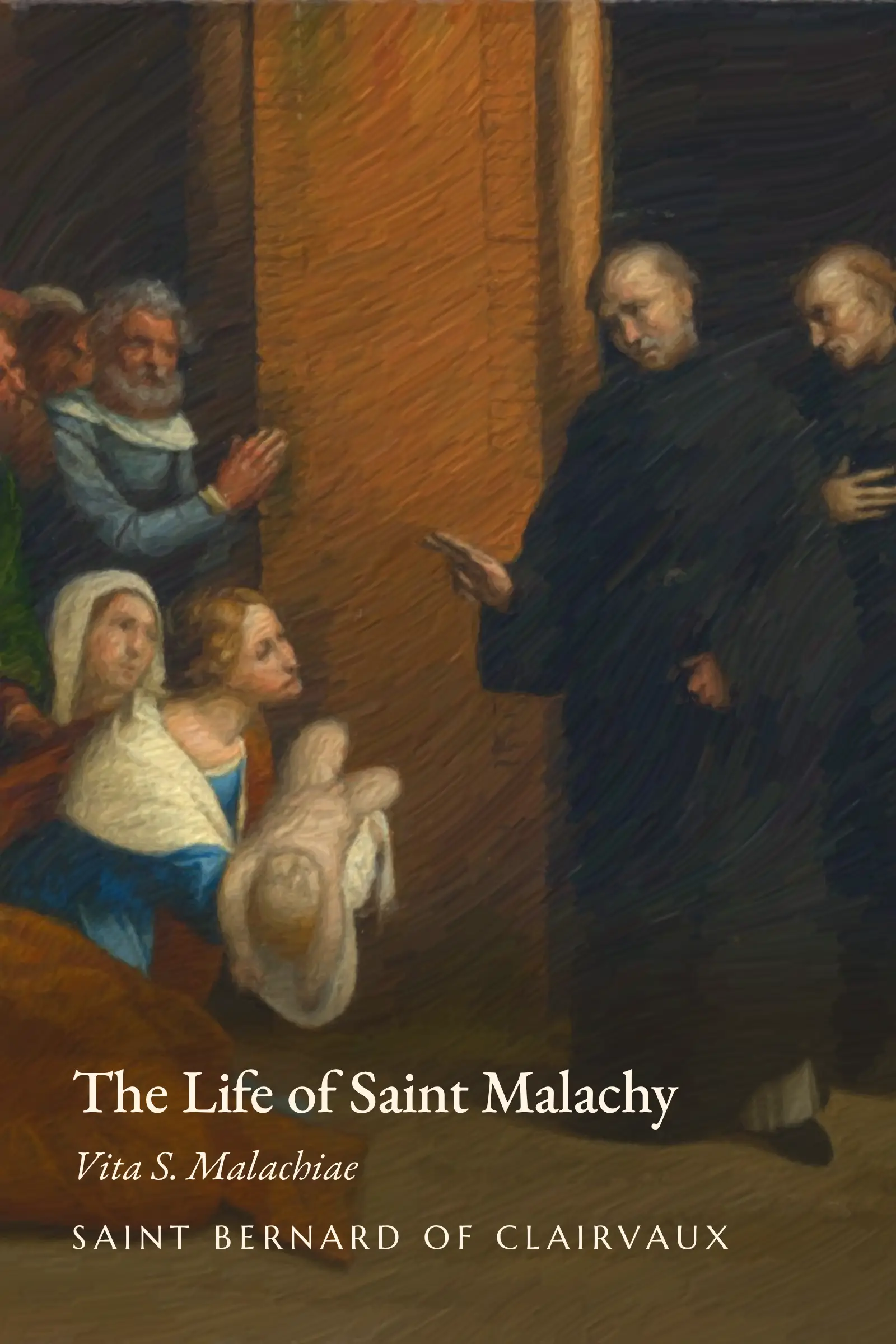
The Life of Saint Malachy
Saint Bernard of Clairvaux
Feast: 3 November
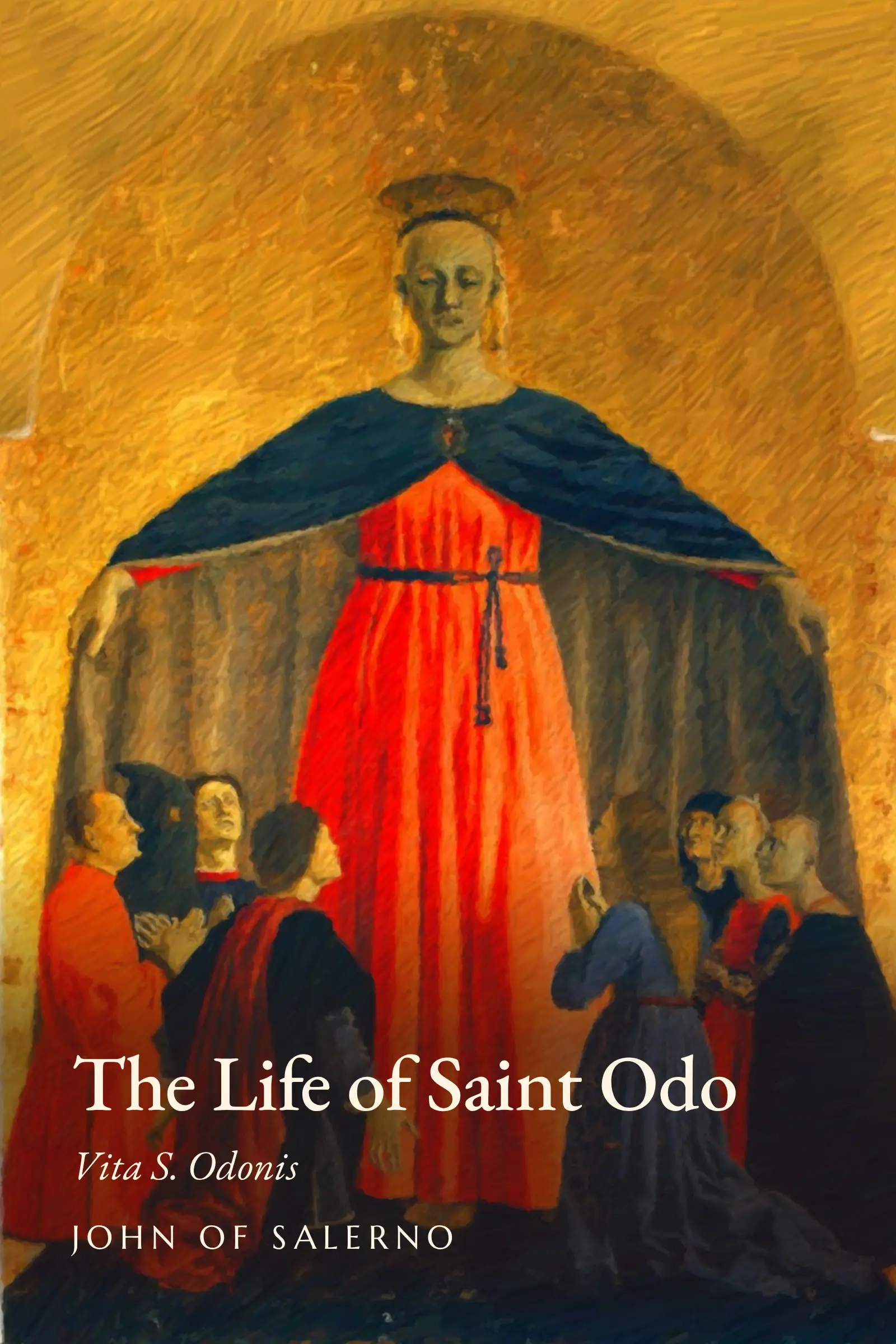
The Life of Saint Odo
John of Salerno
Feast: 18 November
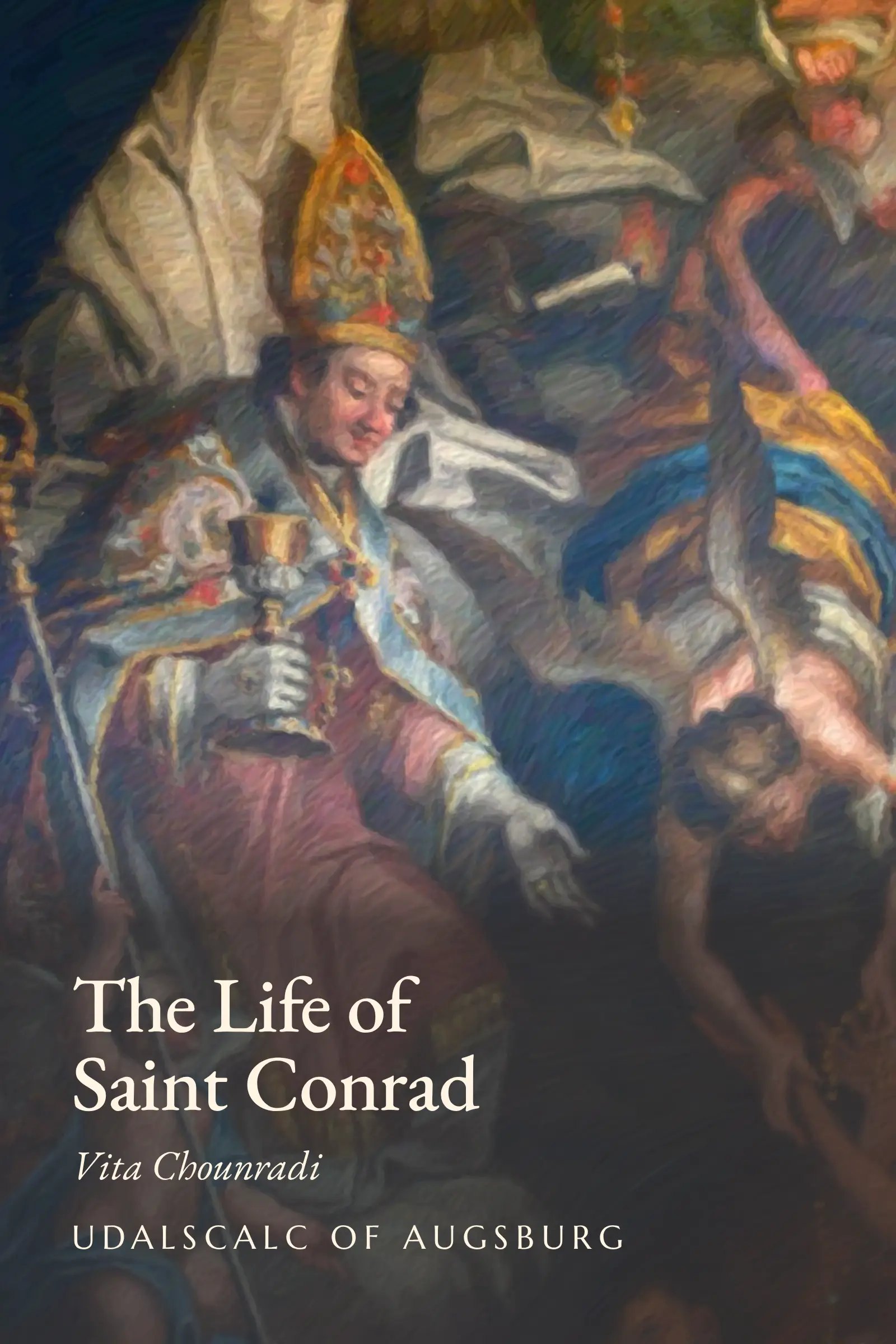
The Life of Saint Conrad
Udalscalc of Augsburg
Feast: 26 November
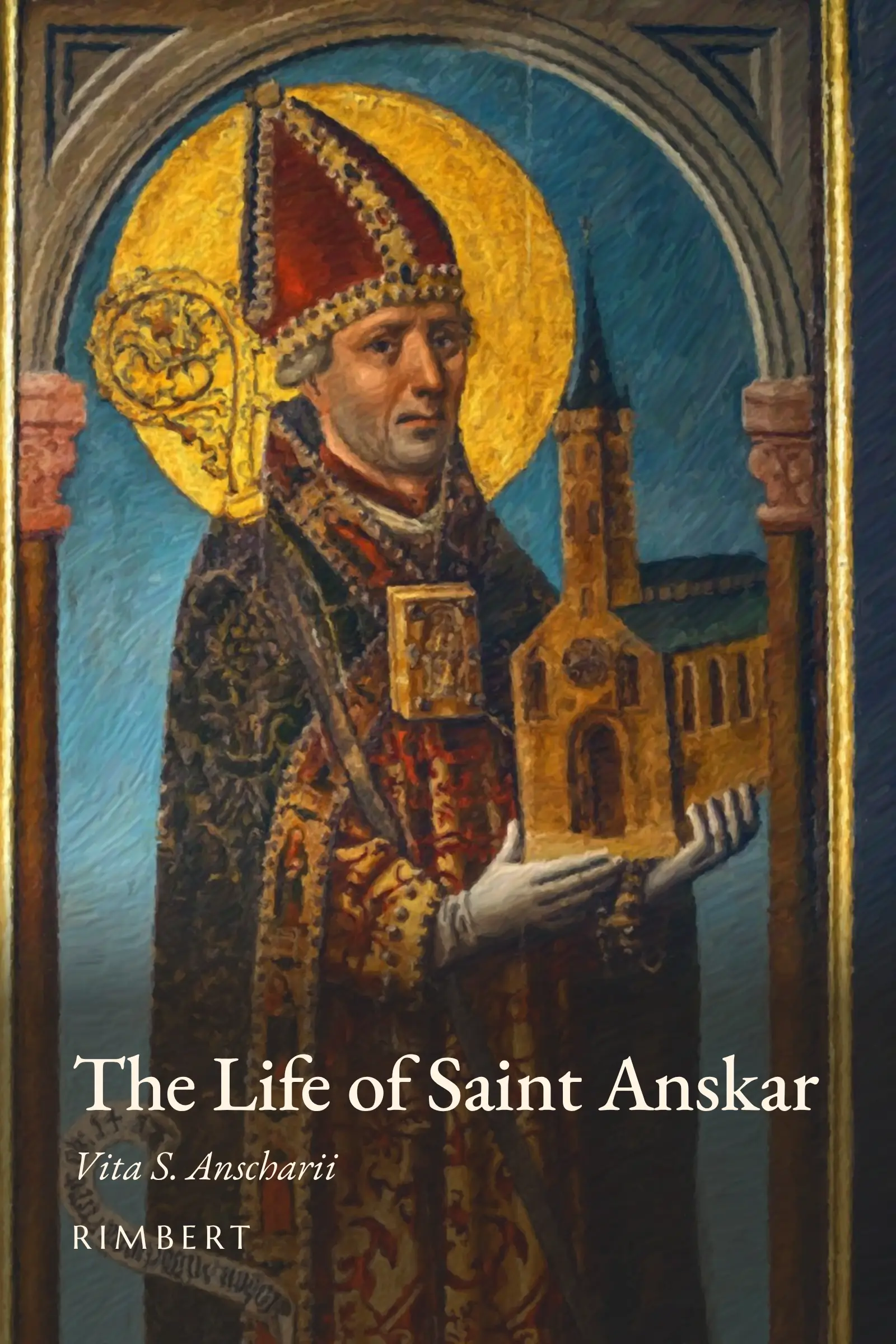
The Life of Saint Anskar
Rimbert
Feast: 3 February
The Life of the Venerable Bede
Anonymous
Feast: 25 May
The Life of Saint Lutgard
Thomas of Cantimpré
Feast: 16 June