
Page by page, with your progress saved.
The Life of Bruno of Cologne (c. 925–965), brother of Otto the Great, archbishop and duke of Lotharingia, written soon after his death by Ruotger, a monk of St Pantaleon in Cologne: the portrait of a learned bishop at the head of the kingdom.
Lives of the Saints
2 entries in the contents · 470 sentences
Downloads
All our editions are free. Pick your format:
Phone PDF
Large type and minimal margins, made for reading on a phone.
71 pp. · 327 KB
Bilingual EPUB
Latin and English paragraph by paragraph, for any e-reader.
111 KB
Facing-page PDF
Latin on the left-hand pages, English on the right, in sync.
81 pp. · 439 KB
Latin PDF
The original Latin text only, pocket format.
62 pp. · 291 KB
Print editions in paperback and hardcover, coming soon on Amazon.
Contents
A page
Latin
Domino in Christi gratia beatissimo atque in omni splendore sapientię perfectissimo Folcmaro archiepiscopo Ruotgerus, servorum suorum ultimus, vere claritatis gloriam sempiternam. Imposuit sanctitatis vestrę reverentia super caput meum gravem quidem sarcinam, sed pro captu parvitatis meę dulcem admodum et iocundam, videlicet ut vitam mirabilis et magnifici archiepiscopi Brunonis, qua potuerim sermonis facultate, describerem. Cui virtus laudem contulit, quam, ut ipse meruit, stili mei officium implere non potuit. De ipso tamen quomodocumque loqui, quia vos iussistis, delectabile fuit.
English
To the lord Archbishop Folcmar, most blessed in the grace of Christ and most perfect in all the splendour of wisdom, Ruotger, the last of his servants: the everlasting glory of true brightness. The reverence of your holiness has laid upon my head a burden heavy indeed, yet, for the measure of my littleness, exceedingly sweet and pleasant: that I should describe, with whatever power of speech I could, the life of the wonderful and magnificent Archbishop Bruno. His virtue won him a praise which the service of my pen has not been able to render as he deserved. Yet to speak of him in any manner at all, because you commanded it, has been a delight.
About this translation
Bruno (c. 925–965) was the youngest son of King Henry I of East Francia and of Queen Matilda, and the brother of Otto the Great. Educated at Utrecht and at his brother's court, he became archbishop of Cologne in 953, at the height of the rising of Otto's son Liudolf and his son-in-law Conrad, duke of Lotharingia, and Otto at once gave him charge of Lotharingia as well, so that Bruno was at the same time a bishop and, in Ruotger's word, an “archduke”. He died at Reims on 11 October 965, on a journey to make peace among his nephews in the western kingdom, and was buried in the monastery of St Pantaleon outside Cologne, which he had founded.
Ruotger, a cleric of Cologne who had known Bruno and heard him speak, wrote this Life a few years after his death at the command of Bruno's successor, Archbishop Folcmar (965–969), to whom the prologue is addressed; the Folcmar of chapter 46, deacon and steward of the church of Cologne, is the same man before his election. Ruotger writes as an apologist as much as a biographer: he defends a bishop who governed and made war, and he answers critics he does not name. The “Cuno” of the Latin is Conrad the Red, who was married to Otto's daughter; he is called Conrad in the translation. The battle in chapter 35 is the defeat of the Hungarians on the Lech in August 955.
This edition gives the whole work: the prologue, the Life in forty-nine chapters, Bruno's will (chapter 49) and the verse epitaph that closes it. The Latin follows the edition's spelling, including its occasional misprints, which are translated in their evident sense. Where the will names estates and places that cannot be identified with certainty, they are left in their Latin form.
Edition and source of the text: Latin text: Monumenta Germaniae Historica, Scriptores rerum Germanicarum, Nova series 10 (Ruotgeri Vita Brunonis archiepiscopi Coloniensis), ed. Irene Ott (Weimar: Böhlau, 1951), pp. 1–55, via Corpus Corporum (mlat.uzh.ch) and the digital MGH (dmgh.de); reproduced for non-commercial reading with credit to the edition. The editor's apparatus is omitted; Scripture references follow modern numbering.
Lives of the Saints
Medieval Lives of the saints, written by their contemporaries or disciples and translated here for the first time into Spanish and English from the Latin text of their editions.
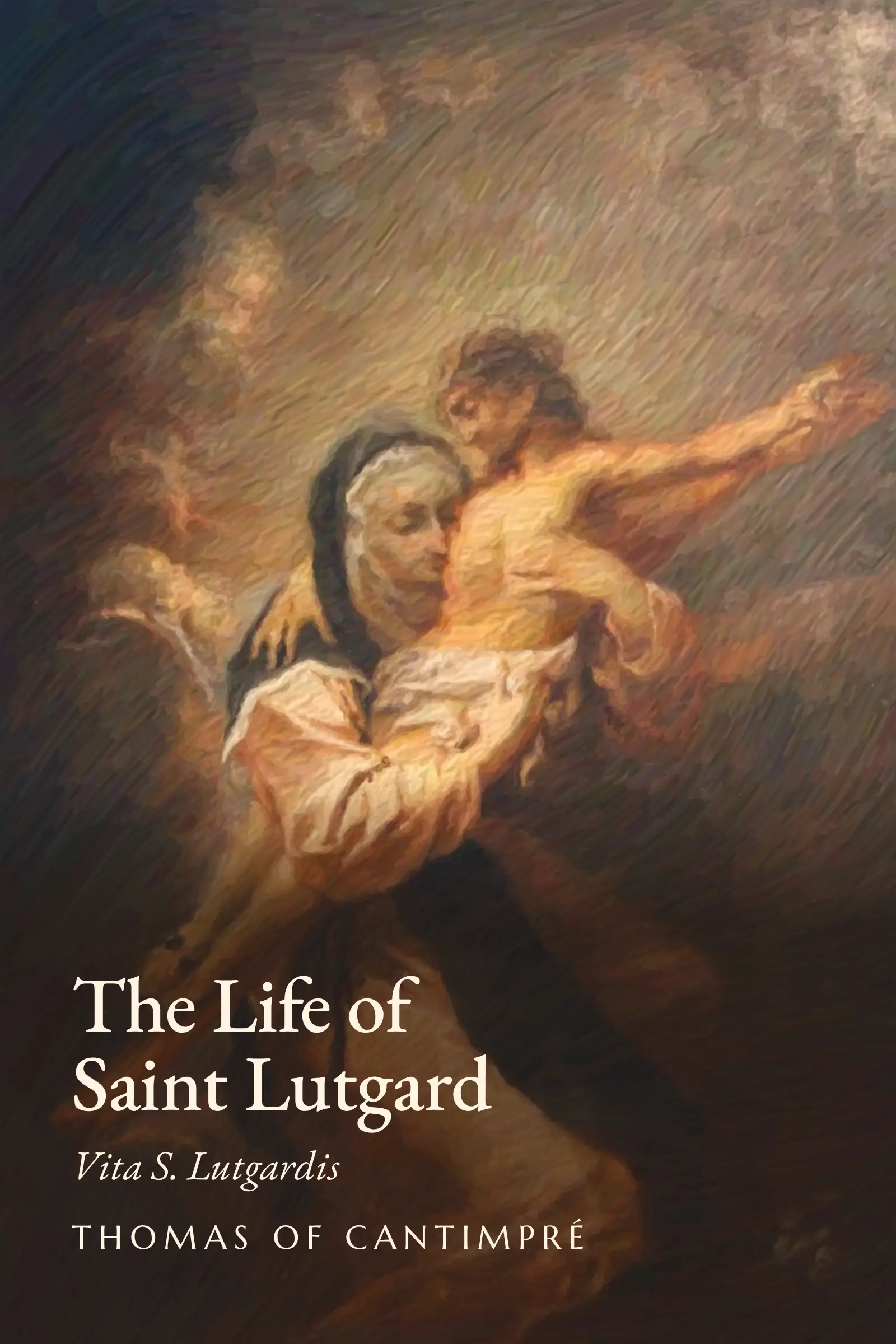
The Life of Saint Lutgard
Thomas of Cantimpré
Feast: 16 June
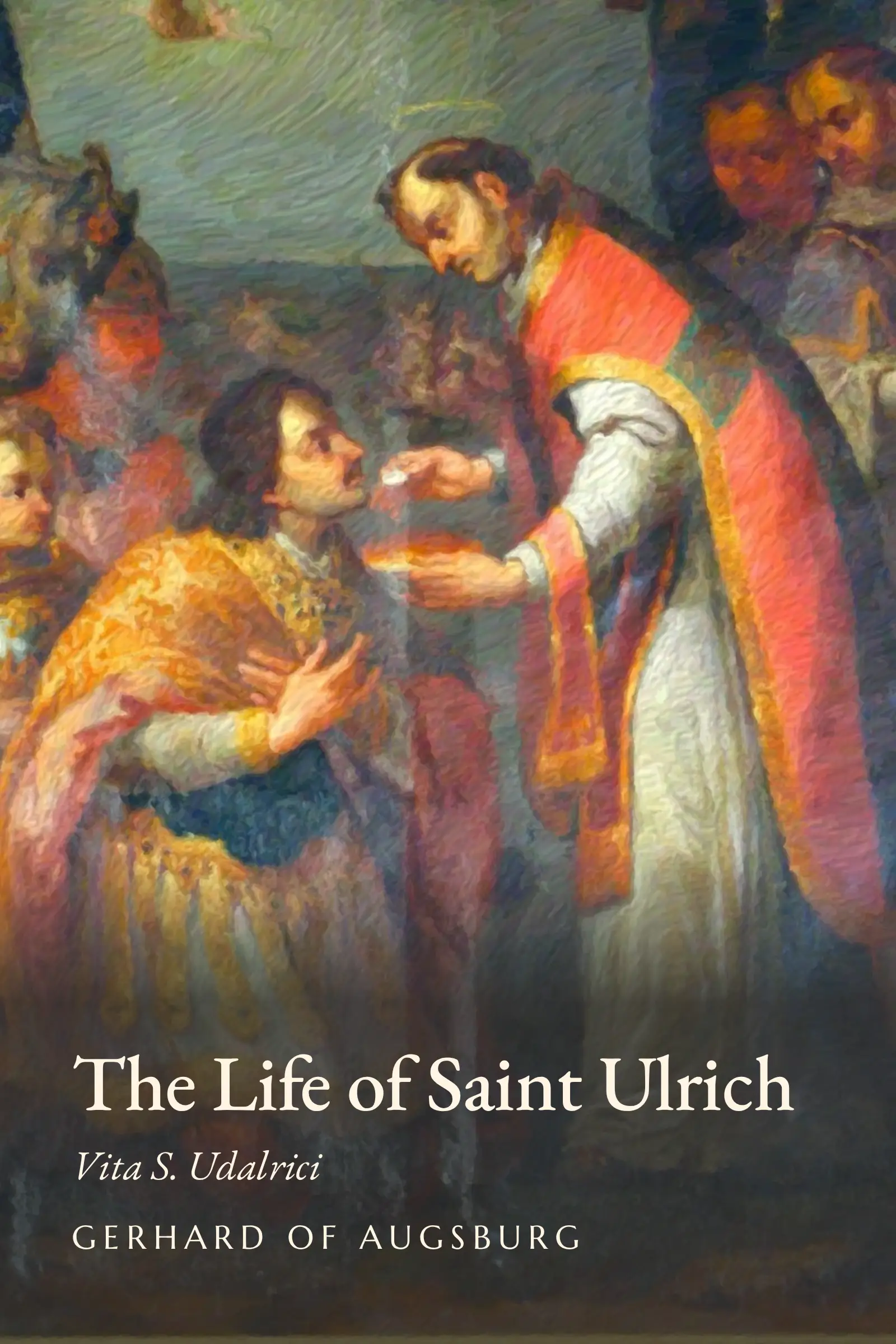
The Life of Saint Ulrich
Gerhard of Augsburg
Feast: 4 July
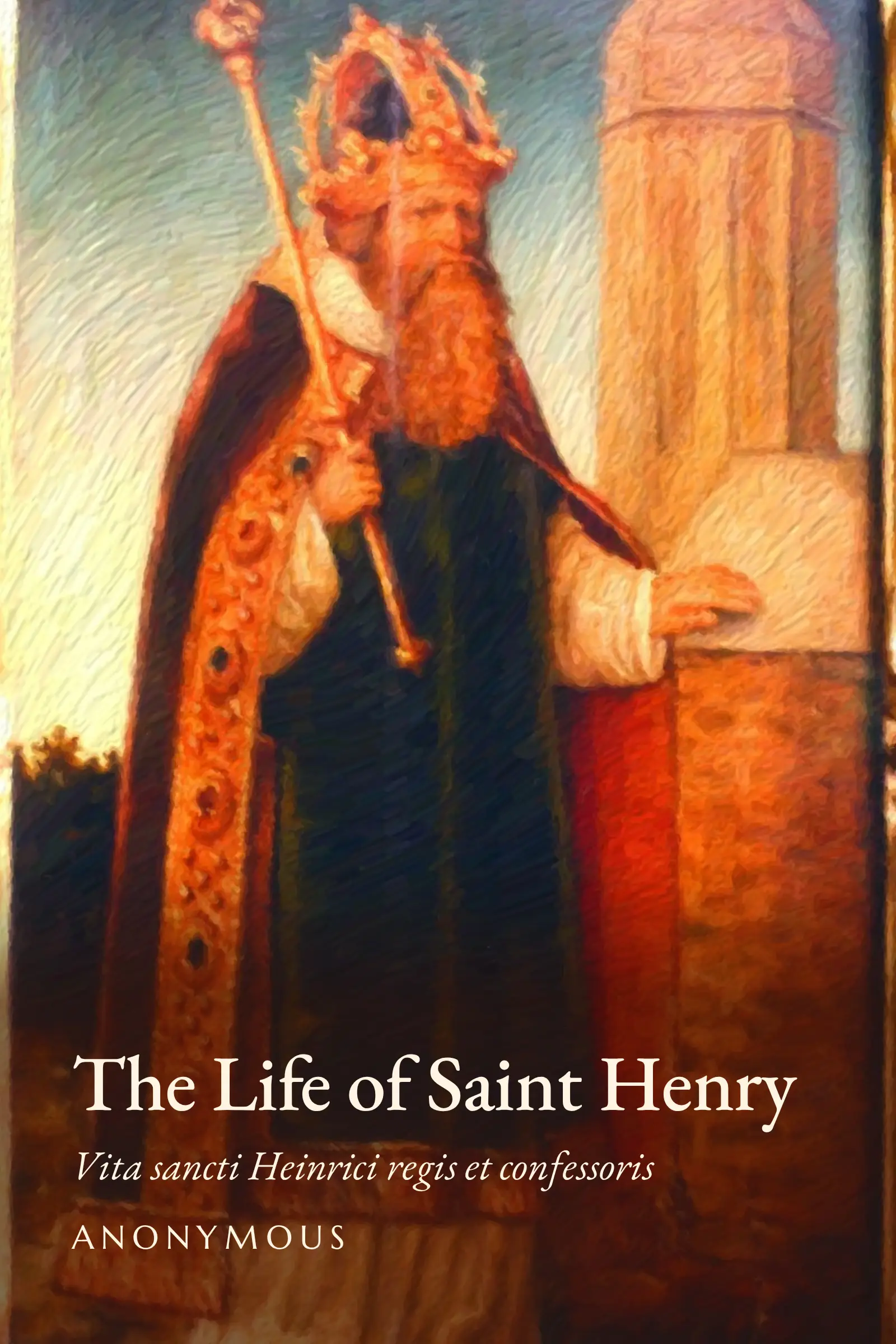
The Life of Saint Henry
Anonymous
Feast: 13 July
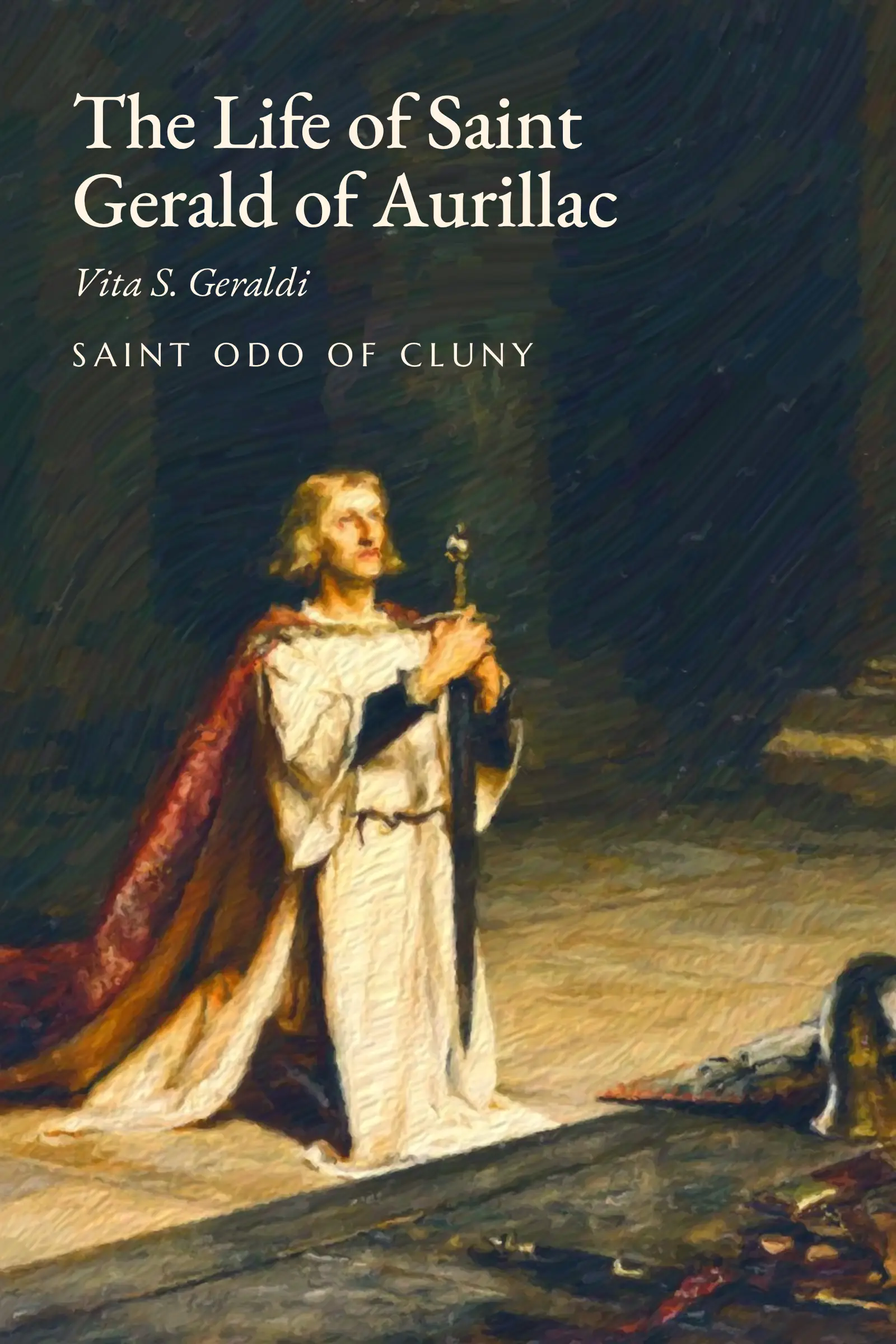
The Life of Saint Gerald of Aurillac
Odo of Cluny
Feast: 13 October
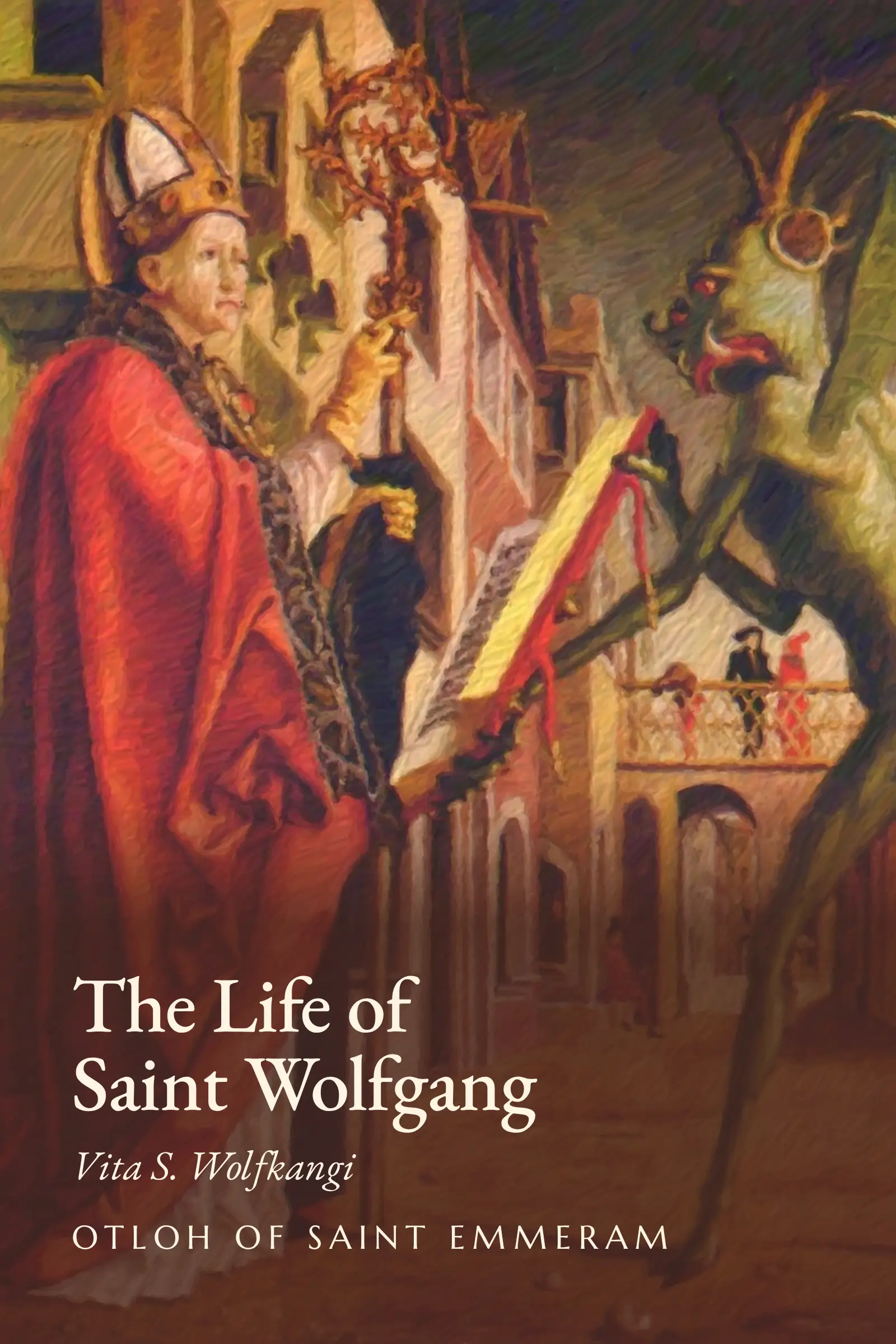
The Life of Saint Wolfgang
Otloh of St Emmeram
Feast: 31 October
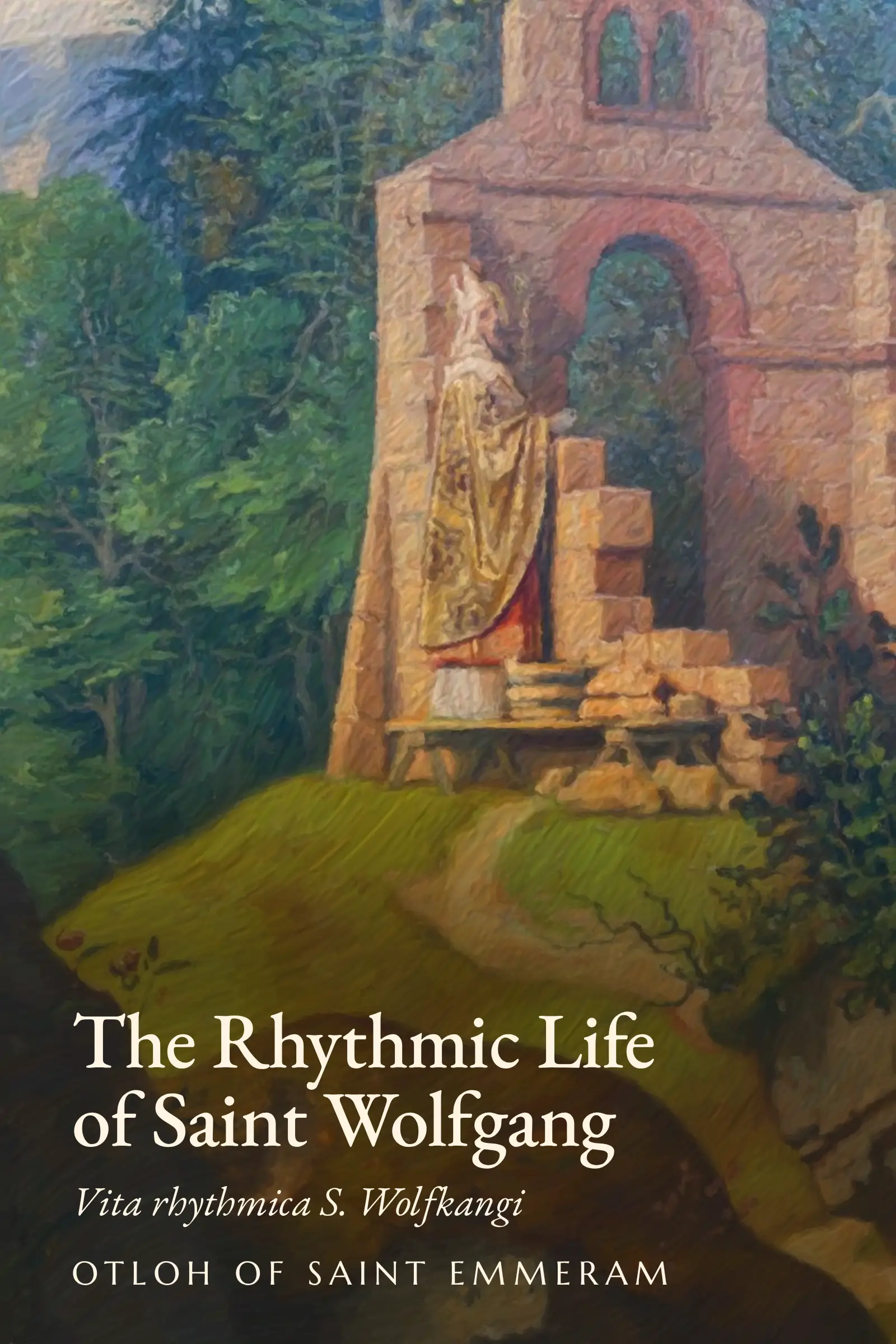
The Rhythmic Life of Saint Wolfgang
Otloh of St Emmeram
Feast: 31 October