
Page by page, with your progress saved.
The Life of Saint Wolfgang (c. 924–994), monk of Einsiedeln and bishop of Regensburg, teacher of the future Emperor Henry II, written in the mid-eleventh century by Otloh, a monk of St Emmeram in Regensburg.
Lives of the Saints
3 entries in the contents · 447 sentences
Downloads
All our editions are free. Pick your format:
Phone PDF
Large type and minimal margins, made for reading on a phone.
56 pp. · 258 KB
Bilingual EPUB
Latin and English paragraph by paragraph, for any e-reader.
91 KB
Facing-page PDF
Latin on the left-hand pages, English on the right, in sync.
65 pp. · 368 KB
Latin PDF
The original Latin text only, pocket format.
53 pp. · 245 KB
Print editions in paperback and hardcover, coming soon on Amazon.
Contents
A page
Latin
Fratrum quorumdam nostrorum hortatu sedulo infimus ego O. coenobitarum Sancti Emmerammi compulsus sum, beati Wolfkangi vitam, ab antecessoribus nostris in liberulis duobus dissimili interdum et impolita materie descriptam, in unum colligere atque aliquantum sublimiori stilo corrigere. Quibus saepius renitendo, ex imperitia magis quam malicia, tam ardui operis denegavi negocia. Sed illi, quod mihi difficillimum videbatur ex proprio, divino adjutorio levigantes, a precibus inceptis non desistebant, donec me votis suis parere vel attemptare promittebam, credens utique, quia non absque superno nutu hujusmodi foret exactio, dicente Scriptura sacra: Nihil in terris fil sine causa.
English
At the earnest urging of certain of our brethren, I, O., the least of the monks of Saint Emmeram, was compelled to gather into one the life of blessed Wolfgang, which our predecessors had set down in two little books, in matter at times discordant and unpolished, and to correct it in a somewhat loftier style. Many times I resisted them and, from want of skill rather than from ill will, refused the labour of so arduous a work. But they, making light by God's help of what seemed to me most difficult for my own strength, did not cease from the entreaties they had begun until I promised to obey their wishes, or at least to make the attempt, believing indeed that such a demand did not come without a sign from above, since Holy Scripture says: Nothing upon earth is done without a cause (Job 5:6).
About this translation
Wolfgang was a Swabian who studied at Reichenau and Würzburg, taught at Trier under his friend Archbishop Henry, and became a monk at Einsiedeln, the “monastery of the solitaries in a dark forest” of chapter 10. Ordained priest by Saint Ulrich of Augsburg, he set out to preach to the Hungarians, and in 972 he was made bishop of Regensburg. There he gave the abbey of Saint Emmeram an abbot of its own, brought the convents of the city under the monastic rule, consented to the founding of a bishopric in Bohemia, and blessed and taught the children of Duke Henry of Bavaria, among them the future Emperor Henry II. He died at Pupping on the Danube on 31 October 994 and was buried in Saint Emmeram; Pope Leo IX raised his relics in 1052.
This Life was written in the following century by Otloh (c. 1010–c. 1070), a monk of Saint Emmeram: he is the “O., the least of the monks of Saint Emmeram” of the prologue, and his modern editor places the work between 1037 and 1052. At his brethren's request he recast two older accounts, a Life brought from the land of the Franks (now lost) and the dialogue of Arnold, a monk of his own house, correcting their style, adding what he had learned from trustworthy witnesses and setting a list of chapters at the front. Because he often keeps his sources' own words, the narrator sometimes speaks as one who knew Wolfgang (“which we heard from his mouth”, “we who were with him then”): those words belong to the older writer, for Otloh came to Regensburg some forty years after the bishop's death.
This edition gives the prologue, the list of chapters and the forty-five chapters of the Life. In the printed source the list of chapters is jumbled, its titles cut and interleaved; the Latin is kept as printed, and the translation gives the titles in their proper order. A few names may help: “Otto the Middle” is Otto II; Pagoaria is Bavaria; Parthenopolis, the see to which Wolfgang's steward Tagino later rose, is Magdeburg.
Edition and source of the text: Latin text: Patrologia Latina 146, cols. 392–422, via Corpus Corporum (mlat.uzh.ch); public domain. The editor's preface and apparatus are omitted; Scripture references follow modern numbering.
Lives of the Saints
Medieval Lives of the saints, written by their contemporaries or disciples and translated here for the first time into Spanish and English from the Latin text of their editions.
The Life of Saint Henry
Anonymous
Feast: 13 July
The Life of Archbishop Bruno
Ruotger
Feast: 11 October
The Life of Saint Gerald of Aurillac
Odo of Cluny
Feast: 13 October
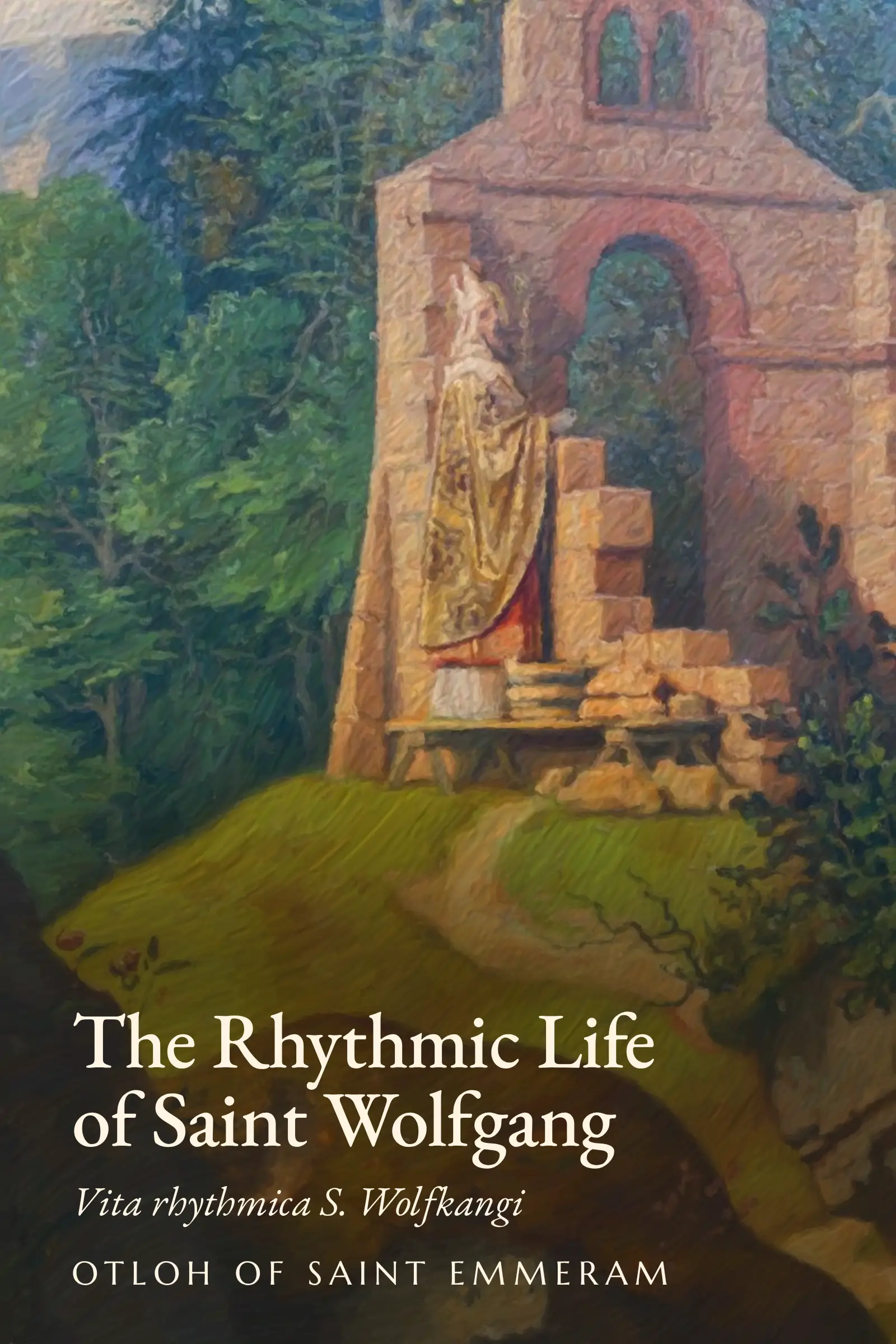
The Rhythmic Life of Saint Wolfgang
Feast: 31 October
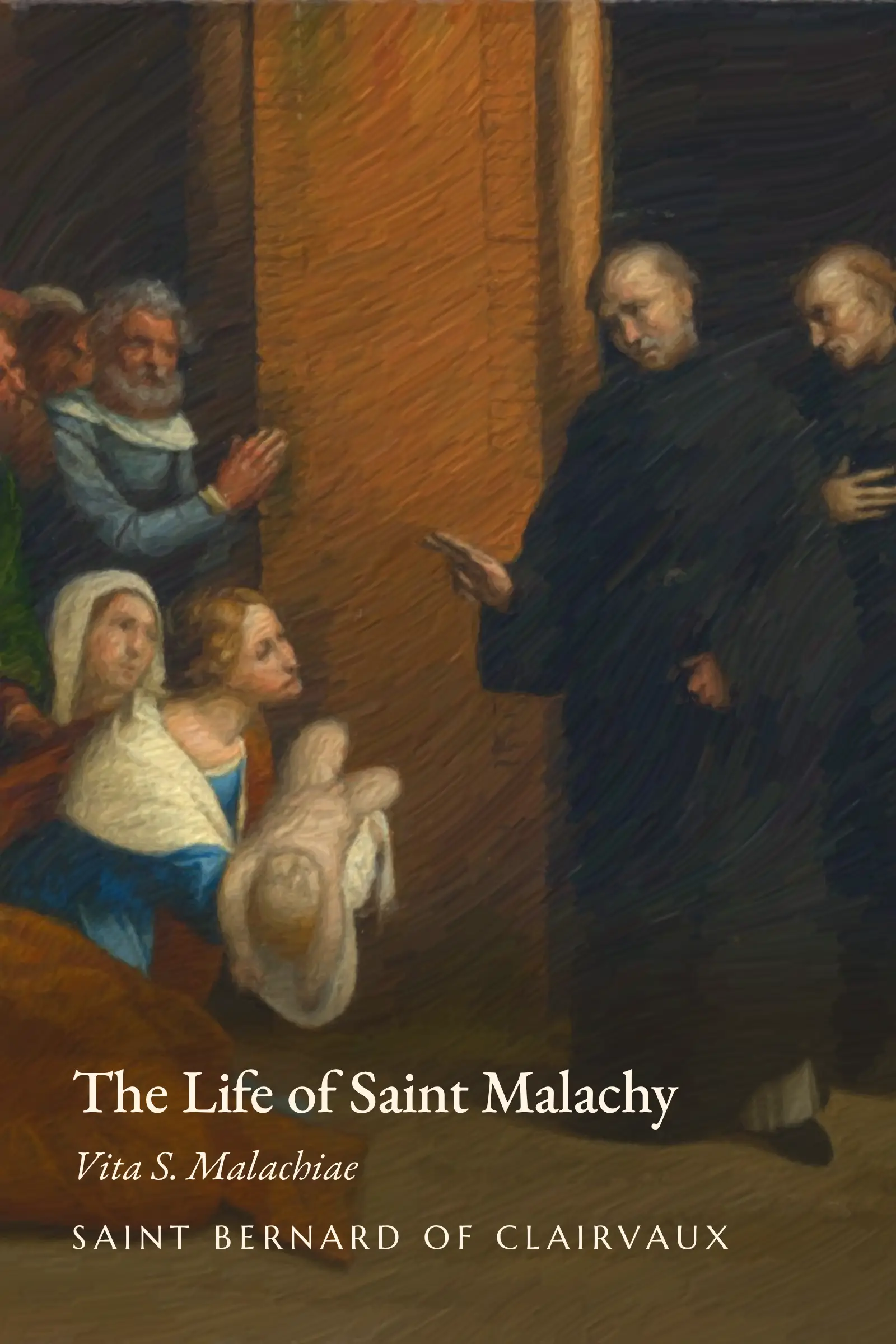
The Life of Saint Malachy
Saint Bernard of Clairvaux
Feast: 3 November
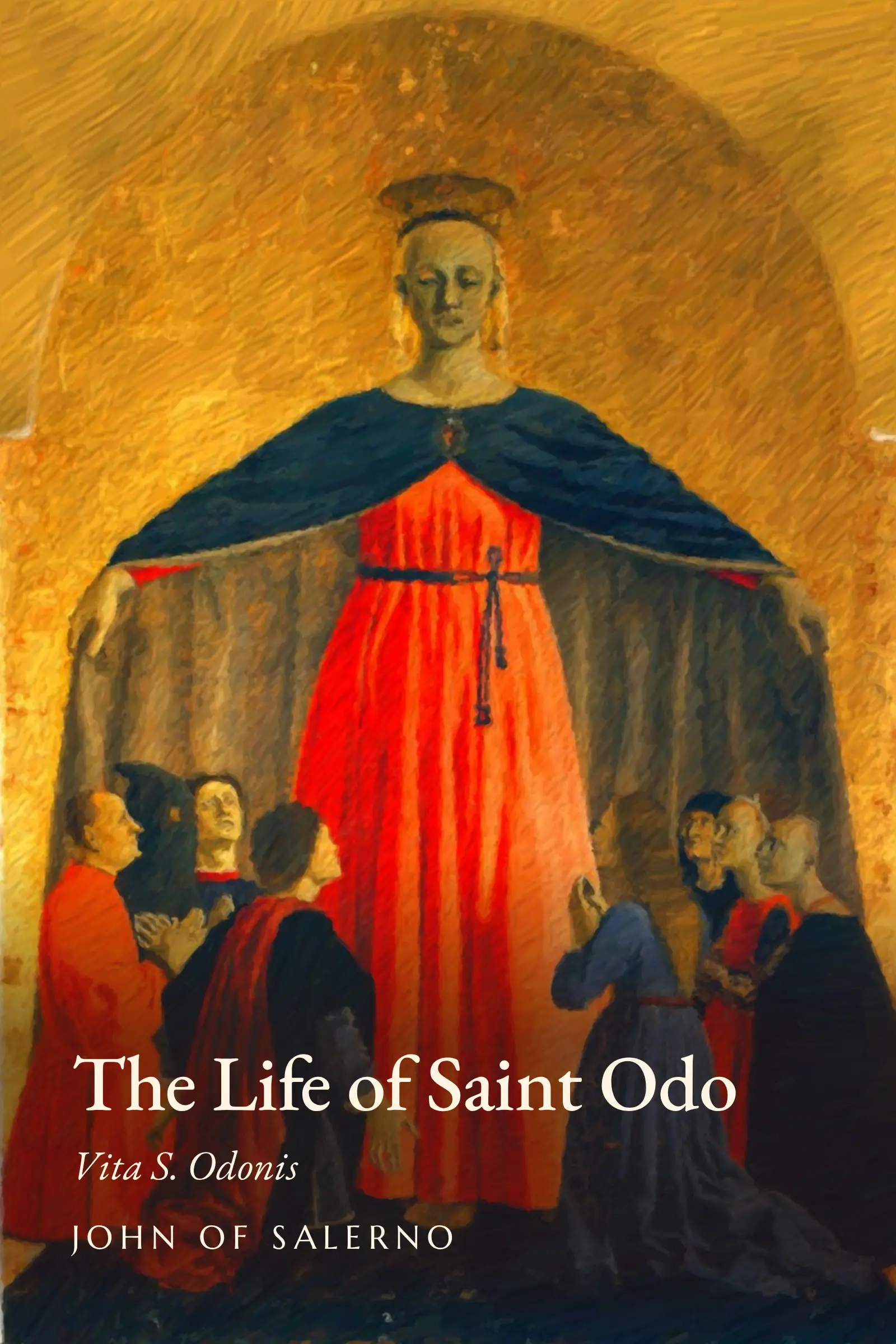
The Life of Saint Odo
John of Salerno
Feast: 18 November