
Page by page, with your progress saved.
The Life of Saint Gerald of Aurillac (c. 855–909), a lay lord of the Auvergne who lived like a monk in the midst of his lordship and founded the monastery of Aurillac, by Odo of Cluny: the portrait of a lay saint, knight and count.
Lives of the Saints
7 entries in the contents · 1,235 sentences
Downloads
All our editions are free. Pick your format:
Phone PDF
Large type and minimal margins, made for reading on a phone.
119 pp. · 541 KB
Bilingual EPUB
Latin and English paragraph by paragraph, for any e-reader.
195 KB
Facing-page PDF
Latin on the left-hand pages, English on the right, in sync.
137 pp. · 775 KB
Latin PDF
The original Latin text only, pocket format.
110 pp. · 491 KB
Print editions in paperback and hardcover, coming soon on Amazon.
Contents
A page
Latin
Libellum, venerabilis pater, quem de conversatione et miraculis beati hominis Geraldi, me, qualitercunque possim, dictare tam imperiose nuper suaseras, jam, licet tremens, aggredior. Nam, etsi faciendo praesumptionem, quasi meis viribus excedens, timeo; et non faciendo, contumaciam, quasi inobediens, pertimesco. De obedientia vero et bonitate Christi confisus, aggrediens, te quaeso, ut ejusdem Christi clementiam implores, quatenus pro amore ipsius famuli sui Geraldi, relationem sic modificare dignetur, ut homini, quem glorificare disposuit, non sit ex toto indigna, nec mihi transgressionis causa.
English
The little book on the life and miracles of the blessed man Gerald, venerable father, which you lately urged me so imperiously to compose as best I could, I now take in hand, though trembling. For if I do it, I fear presumption, as one who goes beyond his strength; and if I do not, I dread contumacy, as one who disobeys. Trusting, then, in obedience and in the goodness of Christ, I set about it, and I beg you to implore the clemency of that same Christ that, for love of his servant Gerald, he may deign so to temper the account that it be not wholly unworthy of the man whom he has resolved to glorify, nor a cause of transgression for me.
About this translation
Gerald of Aurillac (c. 855–909) was a great landowner of the Auvergne and lord of Aurillac, whom his people called count. He never married; he kept a strict rule of prayer, fasting and almsgiving in the midst of his household and his lordship; he gave his estate of Aurillac to Saint Peter and founded a monastery there; and for years he wore a clerical tonsure hidden under his cap. He died at Cezerviacum (Cézerac), at a church of his dedicated to Saint Cyricus, and was buried at Aurillac, where miracles were soon reported at his tomb.
Odo (c. 879–942), monk of Baume and from 927 abbot of Cluny, wrote this Life a generation after Gerald's death at the request of Turpio, bishop of Limoges, and of Abbot Aymo, to whom the dedicatory letter is addressed. He wrote it as a defence as much as a biography: against those who doubted the miracles, and against those who argued that, since a rich and powerful man could be a saint, their own easy living was excused. He gathered his material from men who had been brought up in Gerald's household, four of whom he names in the preface, and he sets Gerald before the powerful as an example from their own order: a lord who bore arms to defend the poor and, as Odo insists, never shed blood. When Odo speaks of “the lord”, he means Gerald.
This edition gives the whole work: the dedicatory letter, the preface, and four books, the first on Gerald's youth and his life as a lord, the second, with its own preface, on his religious life, his foundation at Aurillac and his journeys to Rome, the third on his last years and death, and the fourth on the miracles at his tomb. It leaves out the editor's apparatus and the summary of Gerald's life that the Patrologia prints after the work, which is the work of the seventeenth-century editor Jean Mabillon, not of Odo. Words that the edition adds in square brackets as alternative readings are not translated separately.
Edition and source of the text: Latin text: Patrologia Latina 133, cols. 639–704, via Corpus Corporum (mlat.uzh.ch); public domain. The editor's apparatus and the compendium appended to the work are omitted; Scripture references follow modern numbering.
Lives of the Saints
Medieval Lives of the saints, written by their contemporaries or disciples and translated here for the first time into Spanish and English from the Latin text of their editions.
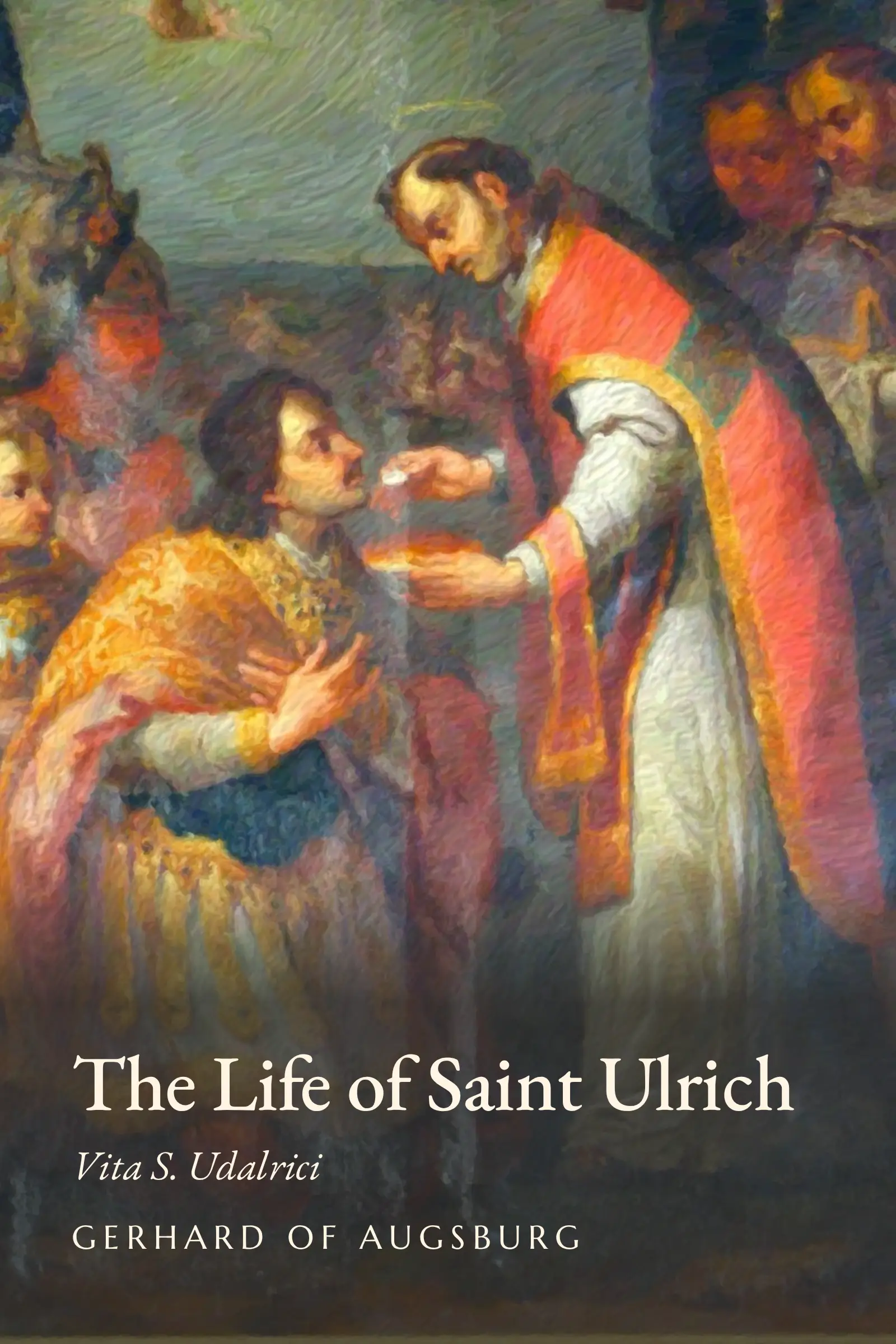
The Life of Saint Ulrich
Gerhard of Augsburg
Feast: 4 July
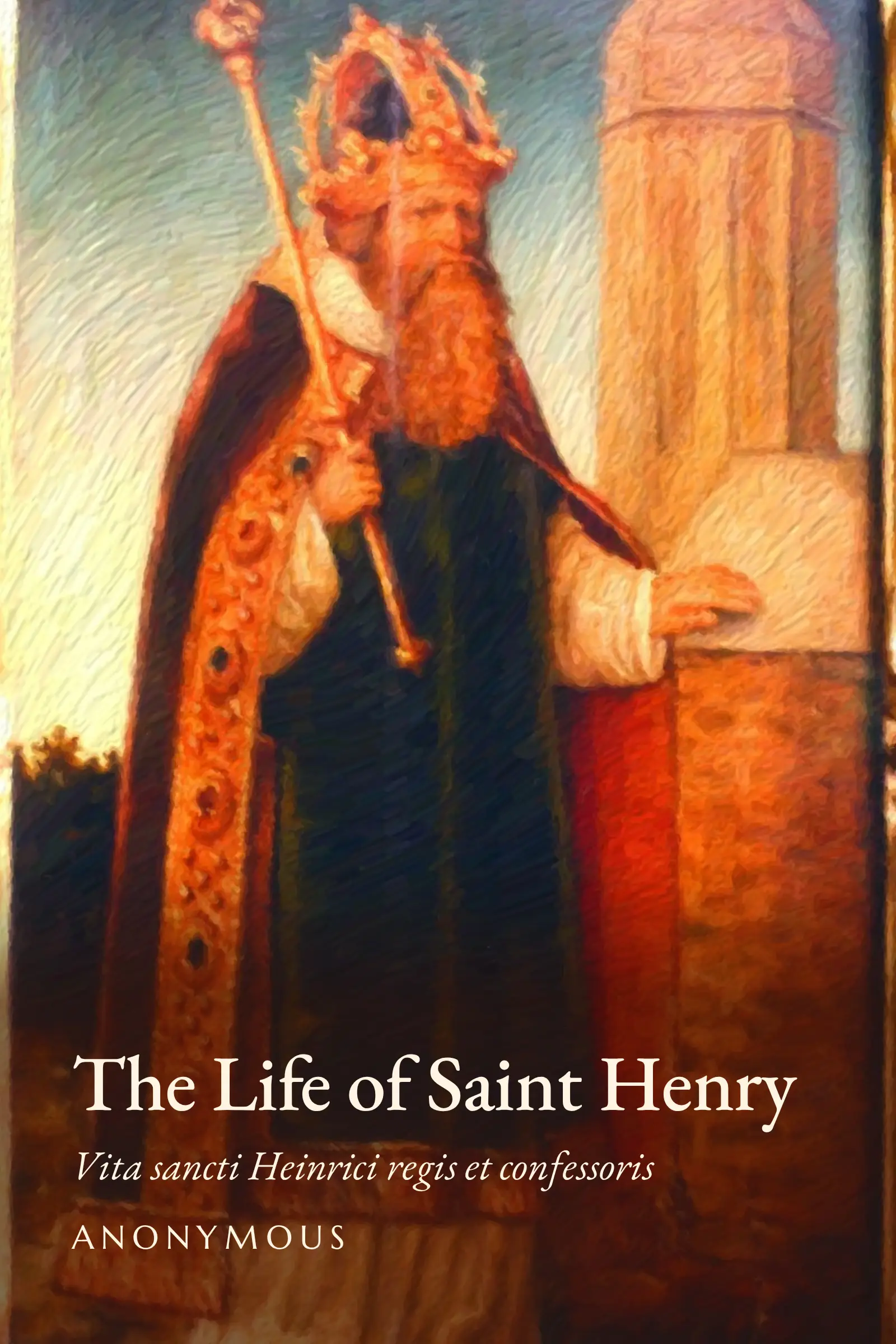
The Life of Saint Henry
Anonymous
Feast: 13 July
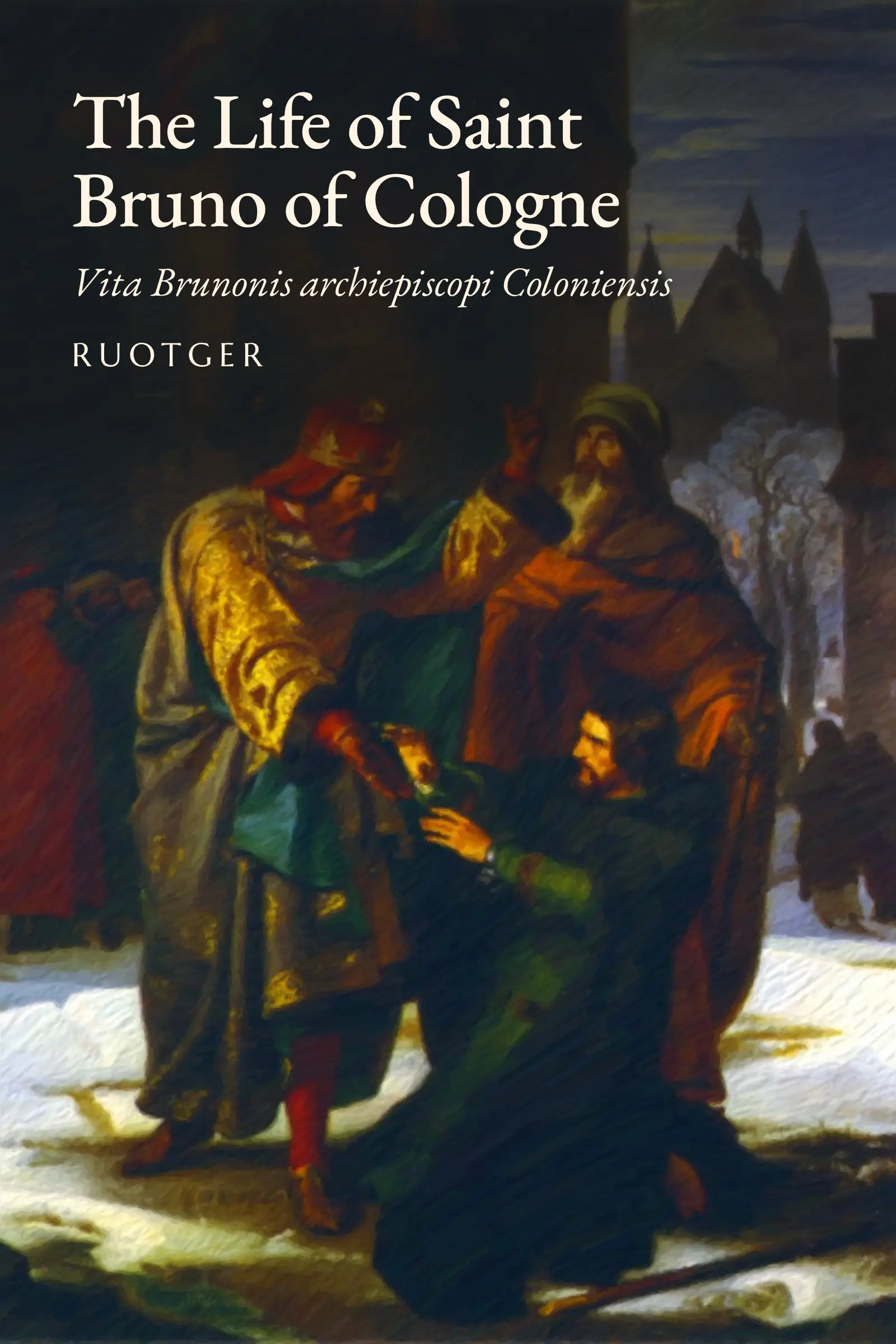
The Life of Archbishop Bruno
Ruotger
Feast: 11 October
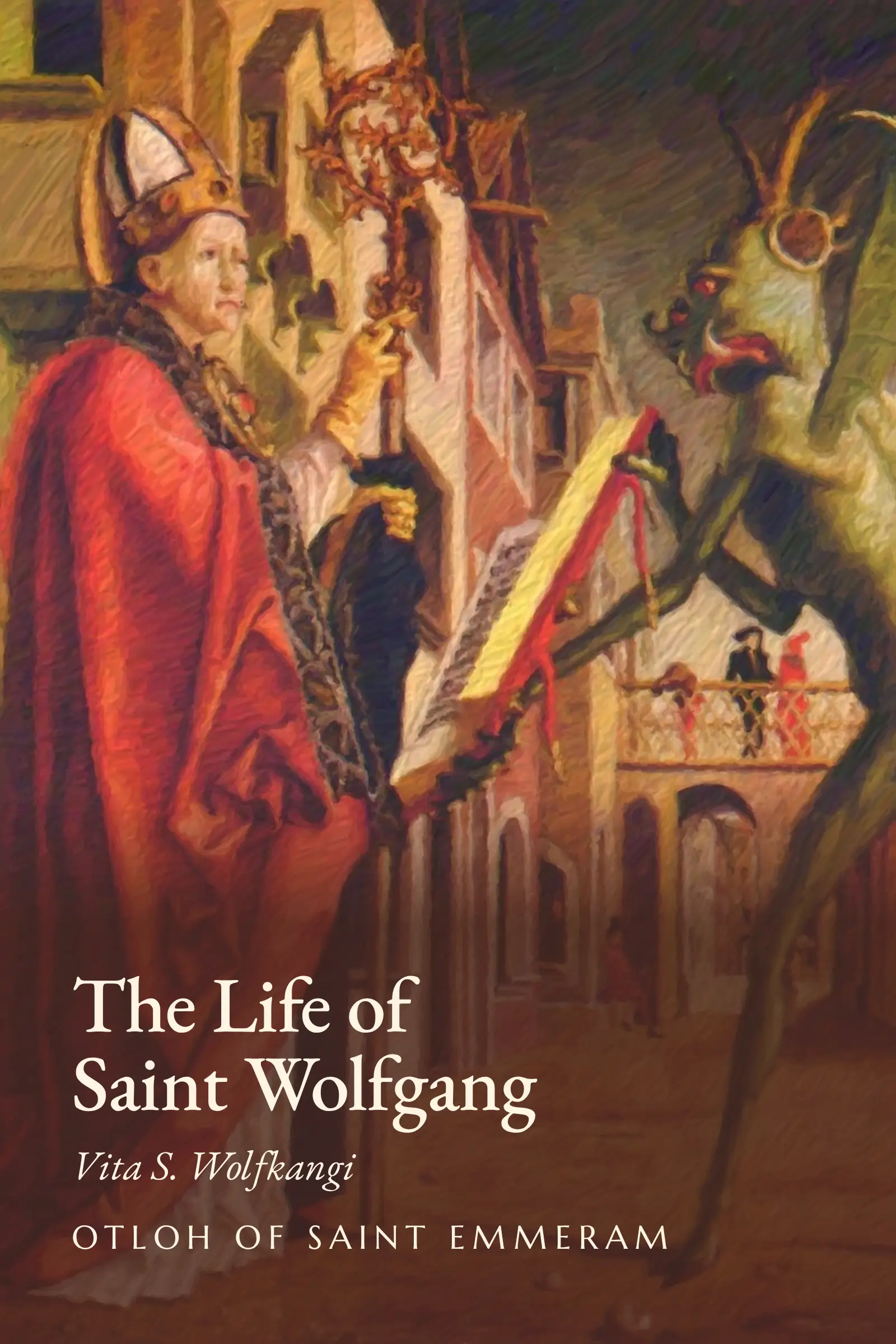
The Life of Saint Wolfgang
Otloh of St Emmeram
Feast: 31 October
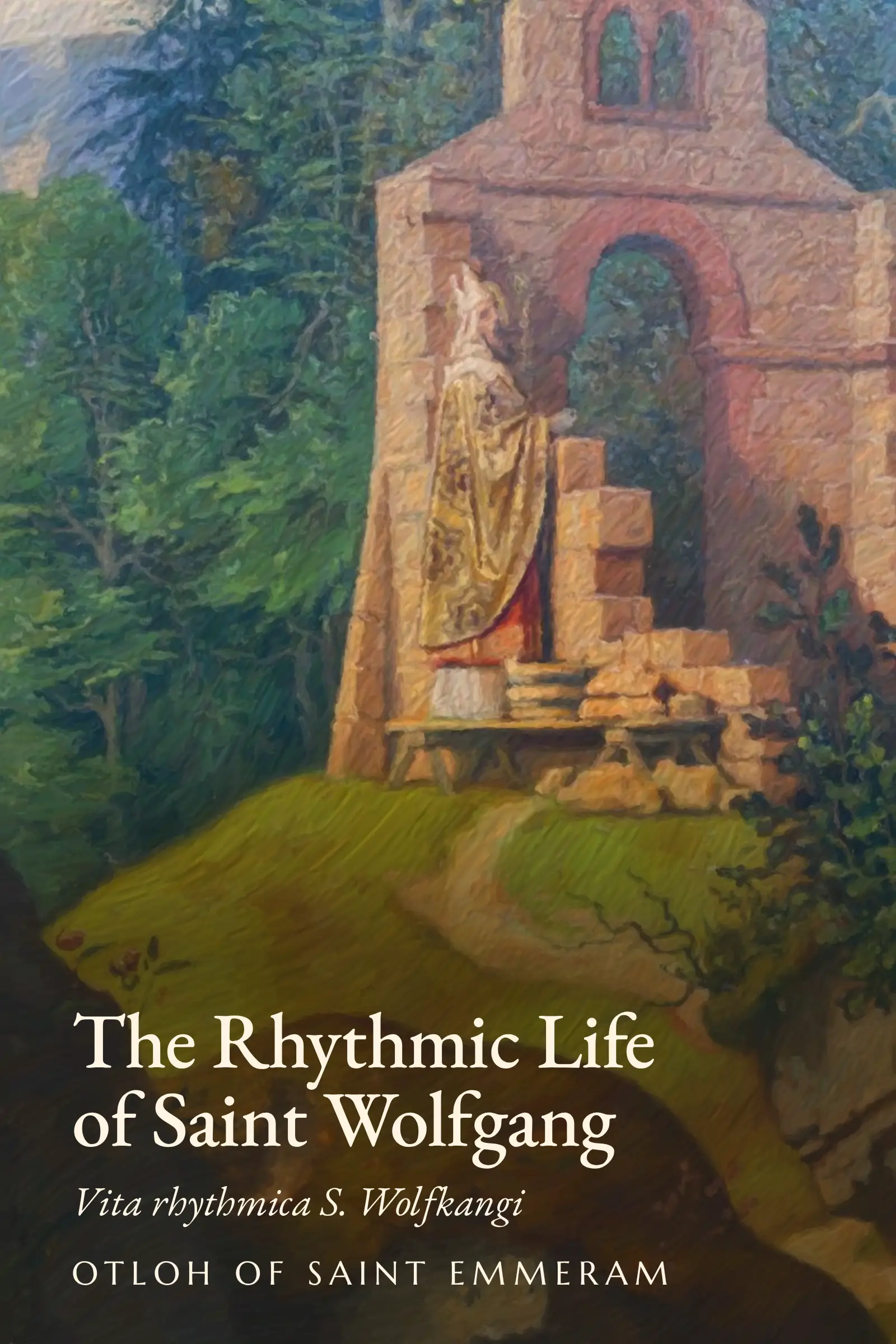
The Rhythmic Life of Saint Wolfgang
Otloh of St Emmeram
Feast: 31 October
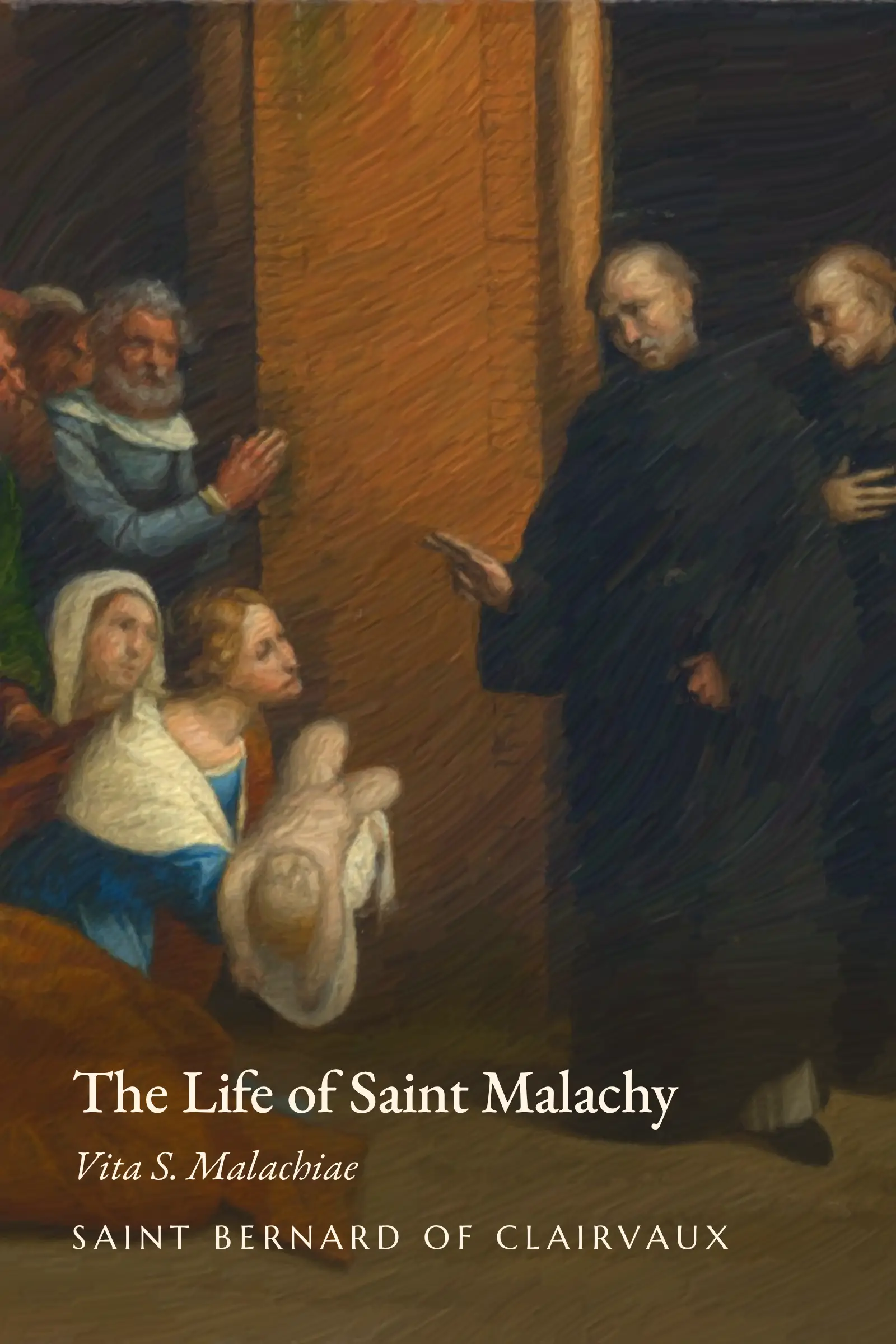
The Life of Saint Malachy
Saint Bernard of Clairvaux
Feast: 3 November