Page by page, with your progress saved.
The Life of Saint Odo (c. 879–942), second abbot of Cluny and reformer of monasteries in Francia and Italy, written by his disciple John, a monk of Cluny, at Salerno soon after the saint's death.
Lives of the Saints
4 entries in the contents · 935 sentences
Downloads
All our editions are free. Pick your format:
Phone PDF
Large type and minimal margins, made for reading on a phone.
101 pp. · 462 KB
Bilingual EPUB
Latin and English paragraph by paragraph, for any e-reader.
161 KB
Facing-page PDF
Latin on the left-hand pages, English on the right, in sync.
115 pp. · 632 KB
Latin PDF
The original Latin text only, pocket format.
94 pp. · 437 KB
Print editions in paperback and hardcover, coming soon on Amazon.
Contents
A page
Latin
Librum quem doctissimus vir Palladius de vita et virtutibus beatorum eremitarum Patrum temporibus Theodosi imperatoris composuit, semel a vobis coactus scribere non grave pertuli: sed mox subnixo corpore, flexisque articulis scribere curavi, vestrae utilitati commodius nihil me agere aliquid fore censui. Igitur coepti operis dum anhelanter ad finem vellem percurrere, stomachico coepi dolore affligi vehementer.
English
The book which that most learned man Palladius composed in the time of the Emperor Theodosius on the life and virtues of the blessed hermit Fathers, I once bore without complaint to write out when you pressed me to it: indeed, propping up my body and bending my joints, I soon set about the writing, judging that I could do nothing more profitable for you. But while I was eagerly hastening to bring the work I had begun to its end, I began to be sorely afflicted with a pain in the stomach.
About this translation
Odo (c. 879–942), second abbot of Cluny, was the son of a Frankish noble, Abbo, and was brought up in the household of William, duke of Aquitaine. At nineteen he received the tonsure at Saint Martin's in Tours, studied at Paris under Remigius, and at thirty entered the monastery of Baume in Burgundy under Abbot Berno. Chosen as Berno's successor, he completed the building of Cluny and spent the rest of his life reforming monasteries in Francia, Aquitaine and Italy, Fleury and Saint Paul's in Rome among them; the popes sent him more than once to make peace between Hugh, king of Italy, and Alberic, prince of Rome. He died at Tours on 18 November 942, the octave of the feast of Saint Martin, whom he had loved since childhood.
The author, John, was an Italian. In 939 Odo found him in Rome, a young canon, took him to the monastery of Saint Peter at Pavia and made him a monk; for less than two years John travelled at his side, became his prior and heard from his own lips much of what is told here. He wrote soon after Odo's death, at the request of the brethren of Salerno to whom the prologue is addressed. The narrator who says “I” is John himself; “our father” is always Odo.
This edition gives the author's prologue and the three books of the Life. The short summaries that Patrologia Latina prints beside the paragraphs are a modern editor's and are left out, as are his variant readings; the paragraph numbers are the edition's. A few names may help: Euticius, whose customs the monks of Baume followed, is generally identified with Saint Benedict of Aniane; Balma is Baume; Gothia is the coast of Languedoc; the monastery of Saint Benedict on the Loire is Fleury.
Edition and source of the text: Latin text: Patrologia Latina 133, cols. 43–86, via Corpus Corporum (mlat.uzh.ch); public domain. The editor's marginal summaries and apparatus are omitted; Scripture references follow modern numbering.
Lives of the Saints
Medieval Lives of the saints, written by their contemporaries or disciples and translated here for the first time into Spanish and English from the Latin text of their editions.
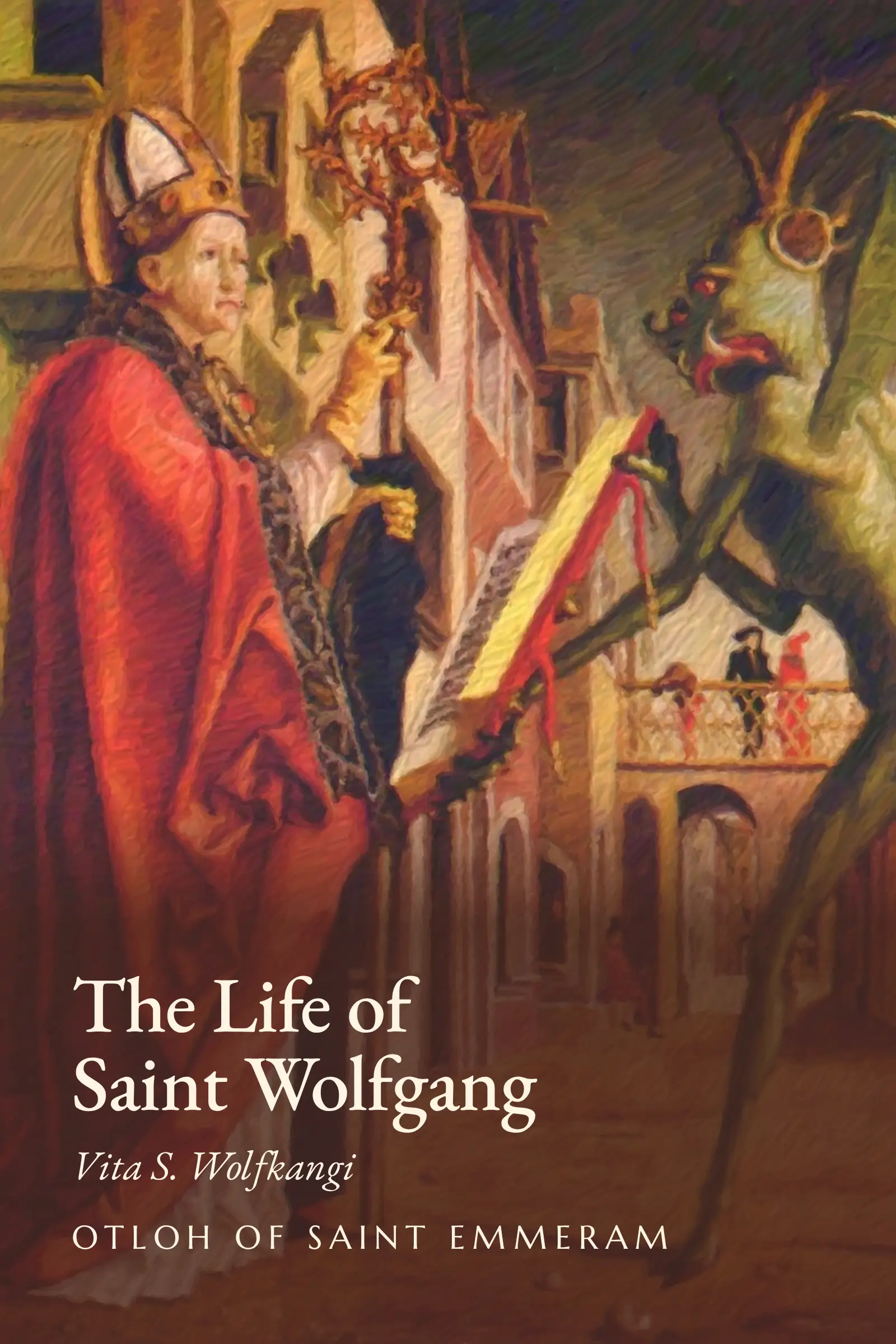
The Life of Saint Wolfgang
Otloh of St Emmeram
Feast: 31 October
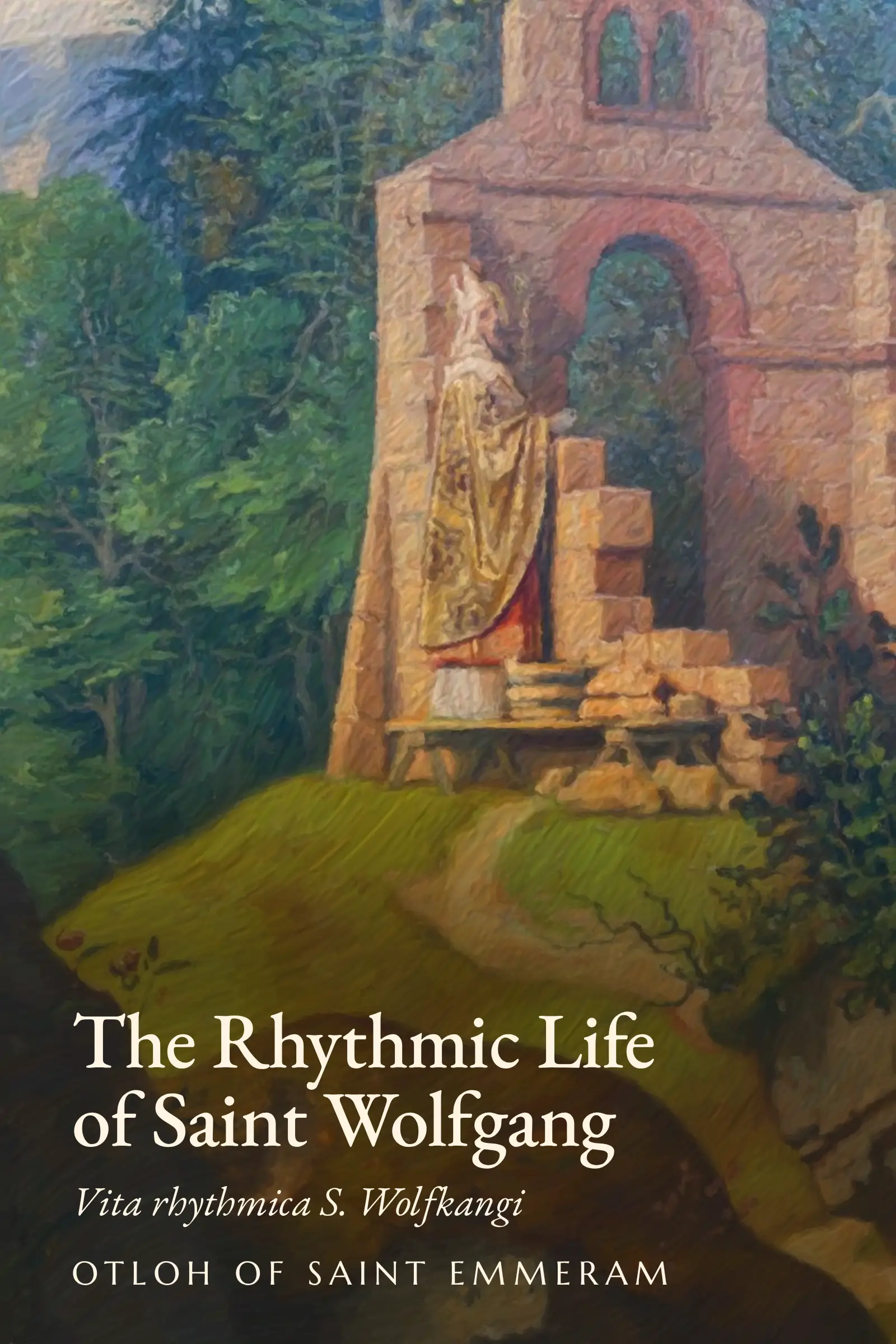
The Rhythmic Life of Saint Wolfgang
Otloh of St Emmeram
Feast: 31 October
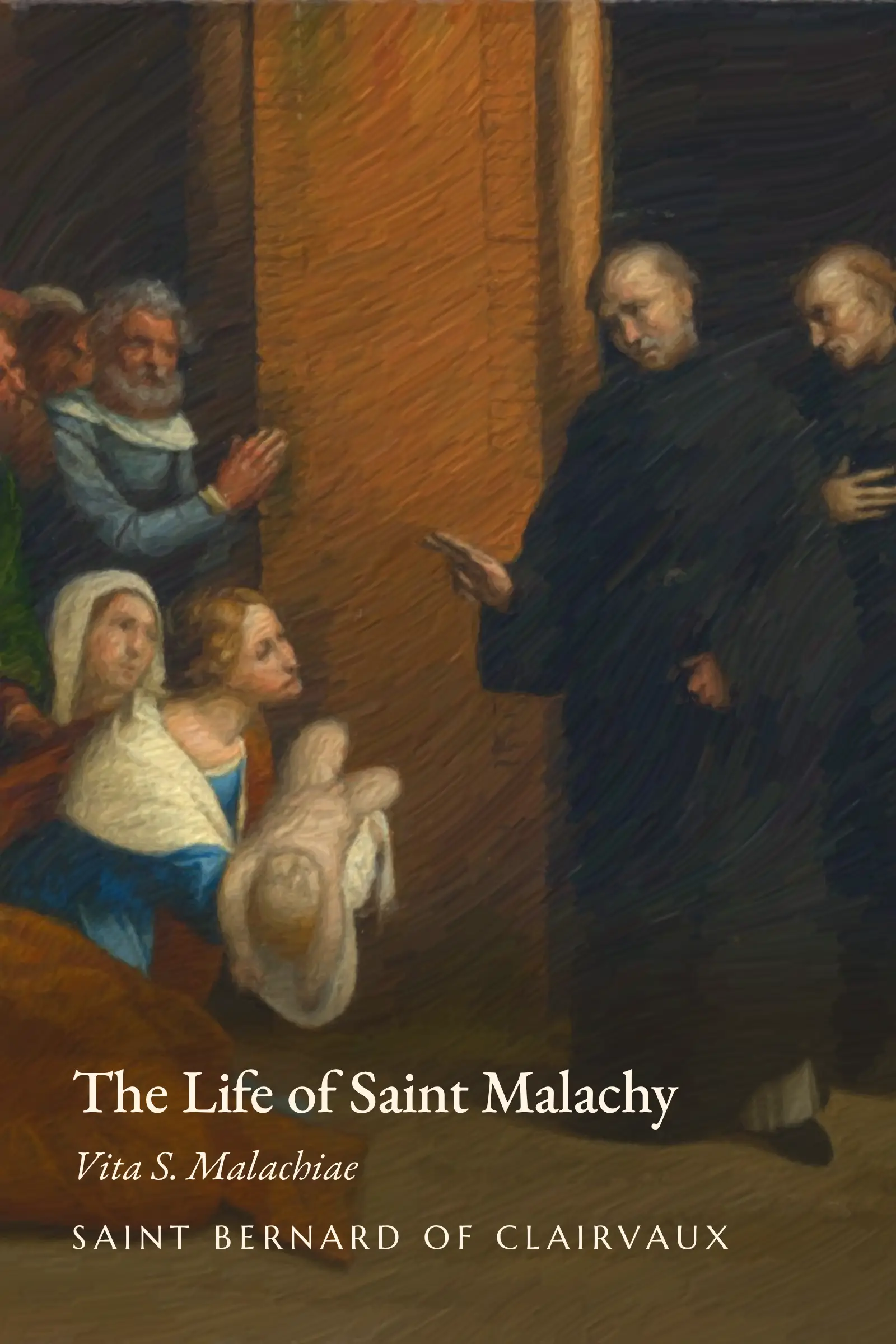
The Life of Saint Malachy
Saint Bernard of Clairvaux
Feast: 3 November
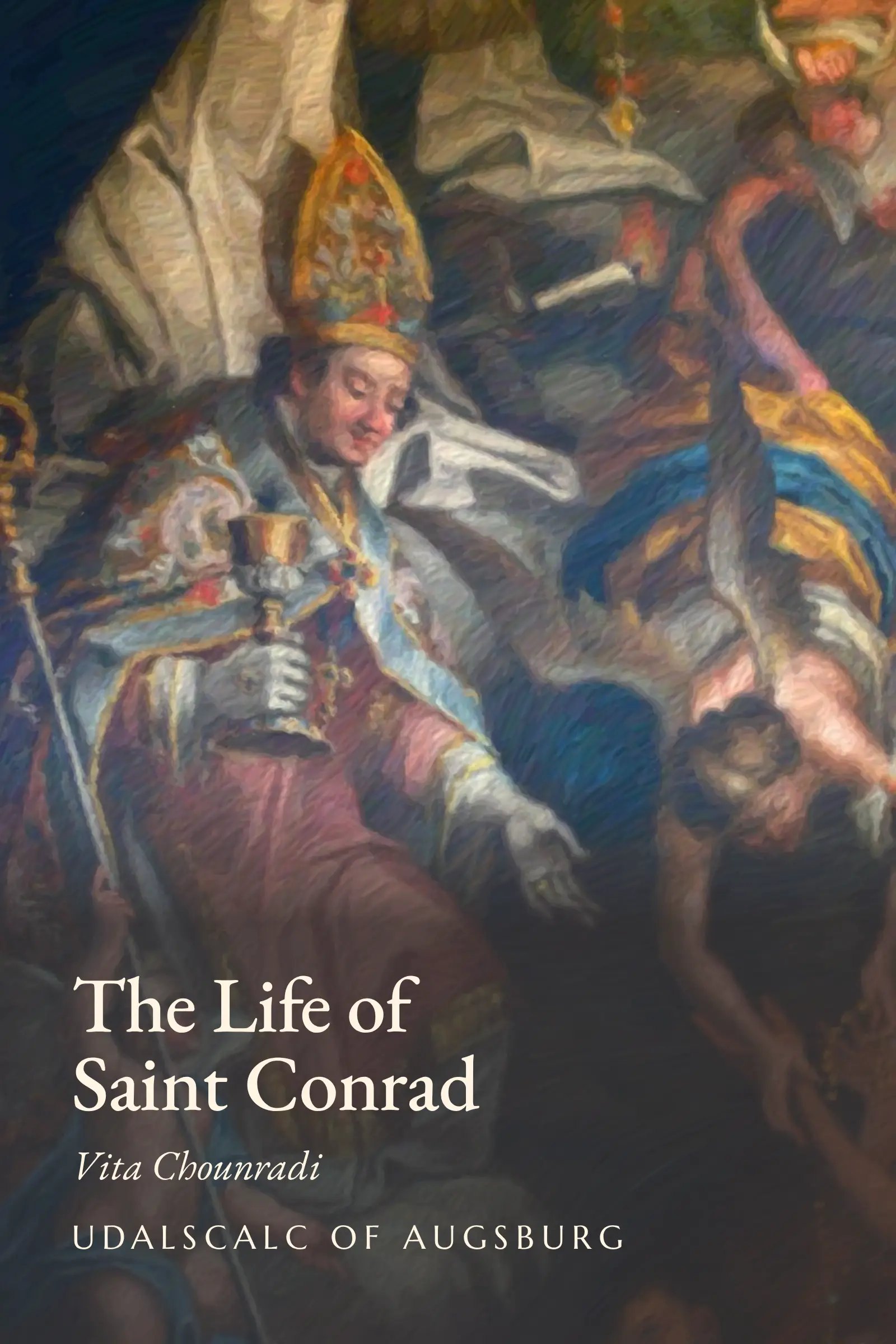
The Life of Saint Conrad
Udalscalc of Augsburg
Feast: 26 November
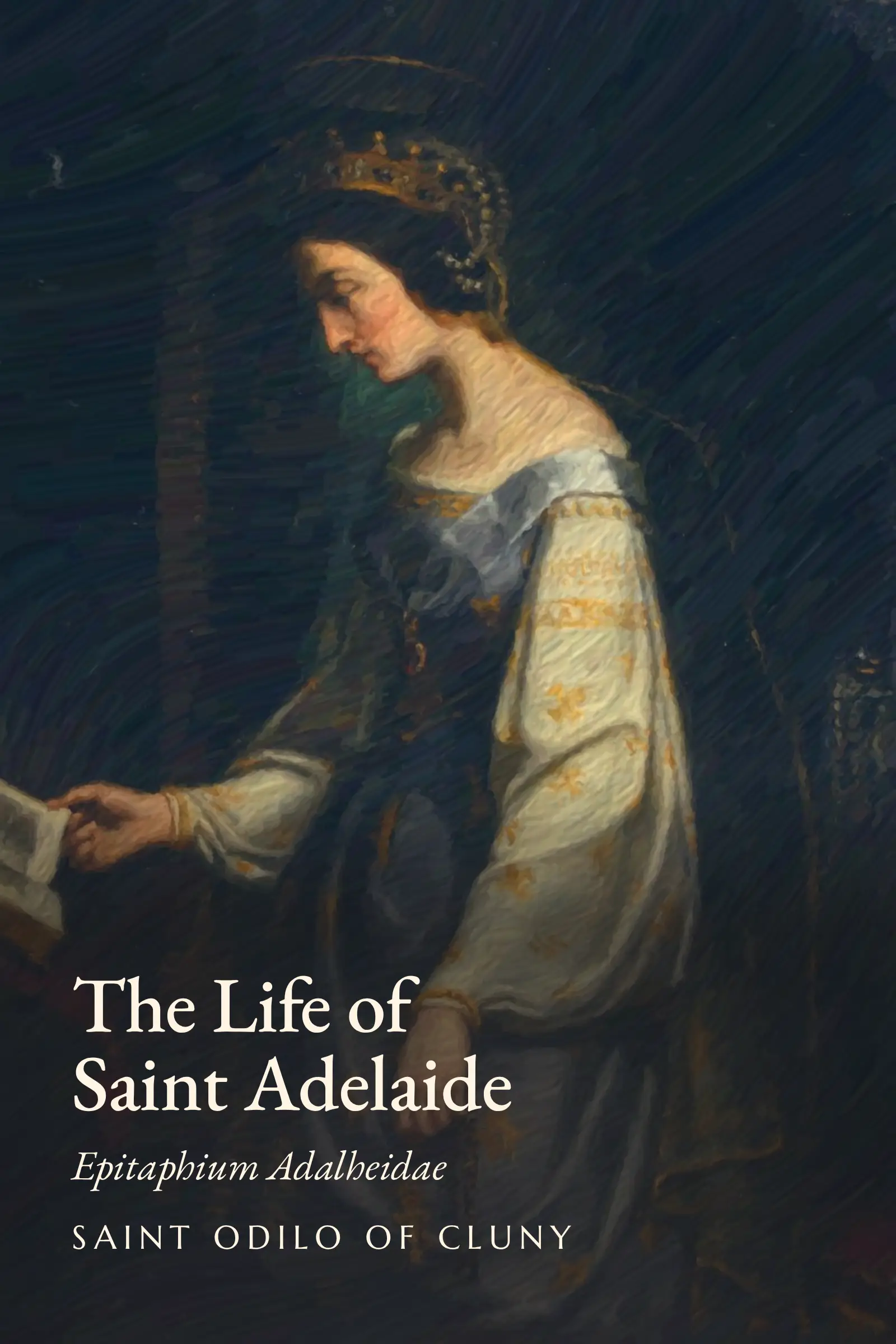
The Life of Saint Adelaide
Odilo of Cluny
Feast: 16 December
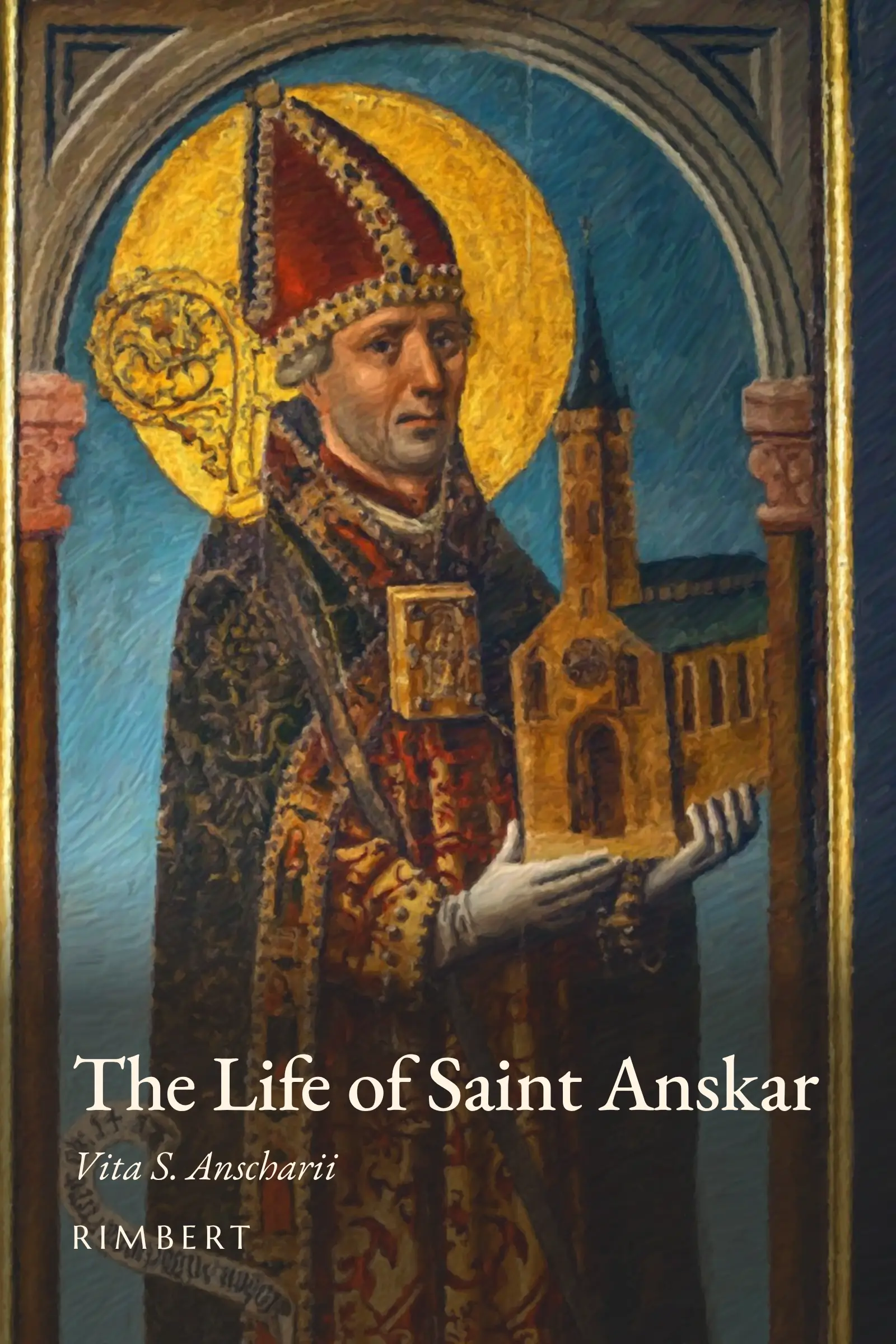
The Life of Saint Anskar
Rimbert
Feast: 3 February