Page by page, with your progress saved.
Biography of the Irish archbishop Malachy of Armagh, Bernard's friend, a model of a reforming bishop and saint.
Lives of the Saints · Hagiography · Ecclesiastical Reform
32 entries in the contents · 1,089 sentences
Downloads
All our editions are free. Pick your format:
Phone PDF
Large type and minimal margins, made for reading on a phone.
102 pp. · 464 KB
Bilingual EPUB
Latin and English paragraph by paragraph, for any e-reader.
163 KB
Facing-page PDF
Latin on the left-hand pages, English on the right, in sync.
117 pp. · 650 KB
Latin PDF
The original Latin text only, pocket format.
89 pp. · 422 KB
Print editions in paperback and hardcover, coming soon on Amazon.
Contents
- Preface to Abbot Congan
- I. The boyhood and youth of Saint Malachy
- II. His apprenticeship in the religious life
- III. Ordained, he acts in the bishop's stead
- IV. He attaches himself to Bishop Malchus for fuller instruction
- V. By offering the Sacrifice he helps his dead sister
- VI. He restores the ruined monastery of Bangor
- VII. He cures a man suffering from dysentery
- VIII. He accepts, though unwilling, the bishopric of Connor
- IX. He builds the monastery of Ibrach
- X. He becomes archbishop, or primate, of Ireland
- XI. He escapes a plot unharmed, and its authors perish miserably
- XII. By strength of mind and steadfast faith in God he softens the enemies and rivals armed against him, and wins them over
- XIII. God punishes Malachy's detractors
- XIV. Having restored the metropolitan see to peace, he resigns it
- XV. He resolves to go to Rome to ask the Pope for the pallium
- XVI. On his way to Rome, and on his return, he visits Clairvaux
- XVII. Various gifts of healing granted through him
- XVIII. Returning to his country, he gives himself wholly to pastoral care and reform
- XIX. The marks of his virtues, and a way of life worthy of a true prelate
- XX. He frees those possessed and tormented by demons
- XXI. Kindnesses shown to the dying and to women in childbirth
- XXII. He foretells ruin to an obstinate concubinary
- XXIII. Various healings granted to various people
- XXIV. He raises to life a woman who had died without the sacrament of Extreme Unction
- XXV. Various other benefits conferred on various people
- XXVI. He defends the truth of Christ’s body in the Eucharist
- XXVII. He wonderfully brings peace and concord among those at strife
- XXVIII. Setting about a sacred building, he suffers an adversary, who is soon struck by divine vengeance
- XXIX. He shines with the spirit of prophecy and with every grace of miracles
- XXX. He foretells the place and day of his death, and for the pallium undertakes once more the journey to Pope Eugenius
- XXXI. He comes again to Clairvaux, to die in the place and at the time he had desired
A page
Latin
Semper quidem operae pretium fuit illustres Sanctorum describere vitas, ut sint in speculum et exemplum, ac quoddam veluti condimentum vitae hominum super terram. Per hoc enim quodammodo apud nos etiam post mortem vivunt, multosque ex his, qui viventes mortui sunt, ad veram provocant et revocant vitam. Verum nunc maxime id requirit raritas sanctitatis, et nostra plane aetas inops virorum. Quam sane inopiam super nos adeo invaluisse sentimus, ut nulli sit dubium illa sententia nos feriri: Quoniam abundabit iniquitas, refrigescet charitas multorum. Et ut suspicor ego, aut praesto, aut prope est, de quo scriptum est: Faciem ejus praecedet egestas.
English
It has always been worth the labour to write the illustrious lives of the saints, that they may serve as a mirror and an example, and as a kind of seasoning for the life of men upon earth. For by this means they live on among us in some sort even after death, and they summon many of those who are dead while they live, and call them back, to the true life. But now above all the rarity of holiness requires it, and our age, so plainly poor in men. This poverty, indeed, we feel has grown so strong upon us that no one can doubt we are struck by that saying: Because iniquity will abound, the charity of many will grow cold (Mt 24:12). And, as I suspect, he is either here or near, of whom it is written: Want goes before his face (Job 41:14).
About this translation
Malachy (in Irish Máel Máedóc Ua Morgair, c. 1094–1148) was the great reformer of the Irish Church in the twelfth century. Born at Armagh and formed there under the recluse Imar, he became abbot of Bangor, bishop of Connor and, in 1132, archbishop of Armagh, a see that one family had held by hereditary succession for generations; once he had won it back and set it at peace he resigned it in 1137 and returned to the small diocese of Down. On his way to Rome in 1139 he came to Clairvaux and became the friend of its abbot, Bernard; Pope Innocent II made him legate for Ireland, and the companions he left at Clairvaux to be trained as monks became the founders of Mellifont (1142), the first Cistercian house in Ireland. Setting out a second time to ask the Pope for the pallium, he fell ill at Clairvaux and died there, as he had wished, on 2 November 1148. Pope Clement III canonised him in 1190.
Bernard of Clairvaux wrote this Life within a few years of Malachy's death, at the request of Congan, abbot of the Cistercian house of Suir (Inishlounaght) in Ireland, and of his community; the facts of the Irish years came to him from them, while the last chapters are his own memory of Malachy's two visits to Clairvaux and of his death. Bernard writes as a friend and as a teacher: he holds Malachy up as a mirror to the bishops of his own day, and the book is as much a sermon on what a bishop should be as a biography. Where the narrator says “I” he is Bernard himself; “our order” is the Cistercian order, and Abbot Christian is the first abbot of Mellifont.
This edition gives the whole work: Bernard's preface to Congan and the Life in seventy-five numbered sections; the chapter divisions and their titles are those of the printed edition. Irish places are given in the forms English readers know (Armagh, Bangor, Connor, Down, Lismore, Cashel, Cork); those that cannot be identified with certainty keep their Latin form. In Bernard's Latin “Scotia” and “Scoti” can mean Scotland and the Scots or, in the older usage, Ireland and the Irish; the translation follows the sense where it is plain. The Latin follows the edition's spelling, including a few evident misprints, which are translated in their plain sense. The “Prophecy of the Popes” later attributed to Malachy appears nowhere here: it was first printed in 1595.
Edition and source of the text: Latin text: Patrologia Latina 182, cols. 1073–1118, via Corpus Corporum (mlat.uzh.ch); public domain. The editor's apparatus and variant readings are omitted; Scripture references follow modern numbering.
Lives of the Saints
Medieval Lives of the saints, written by their contemporaries or disciples and translated here for the first time into Spanish and English from the Latin text of their editions.
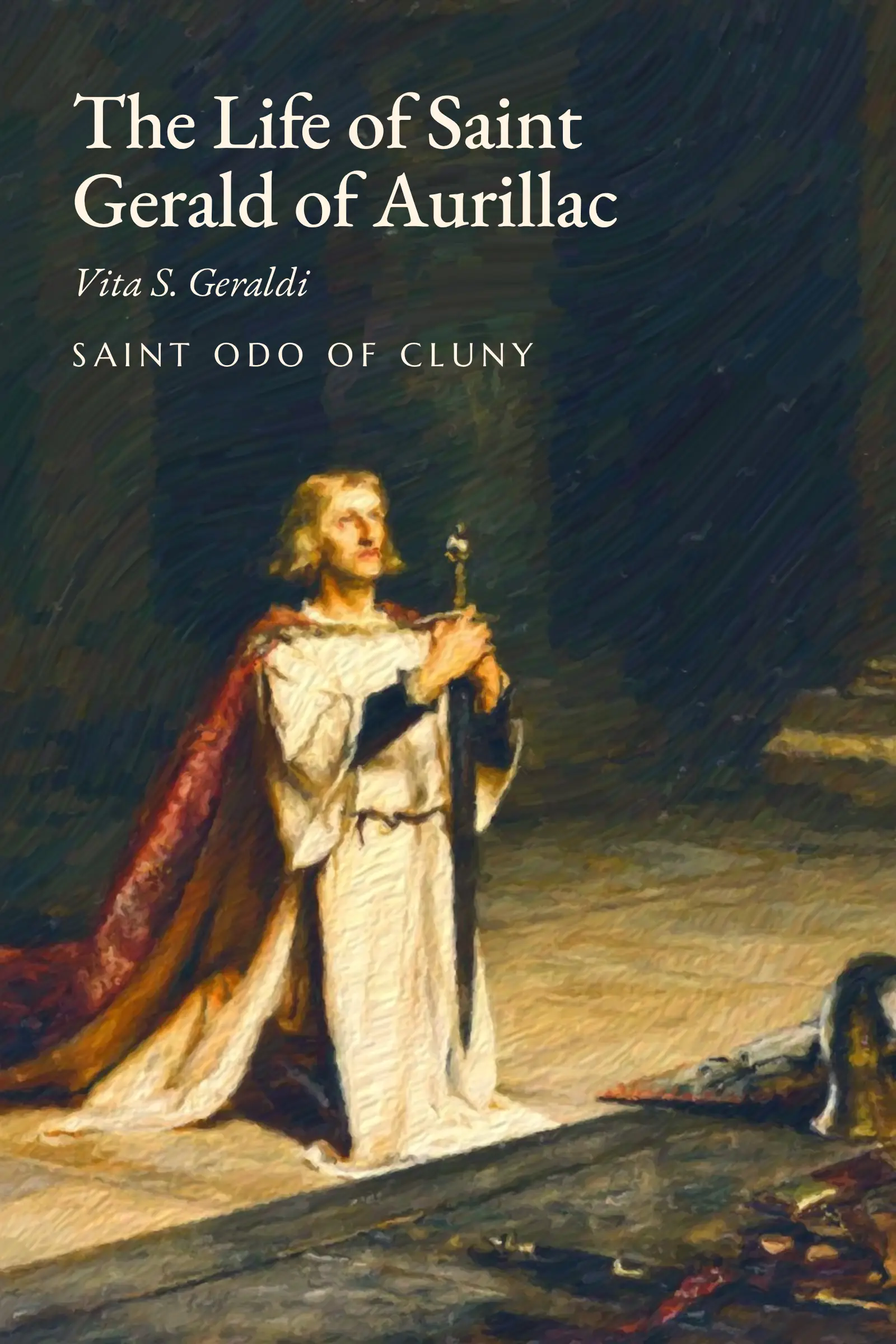
The Life of Saint Gerald of Aurillac
Odo of Cluny
Feast: 13 October
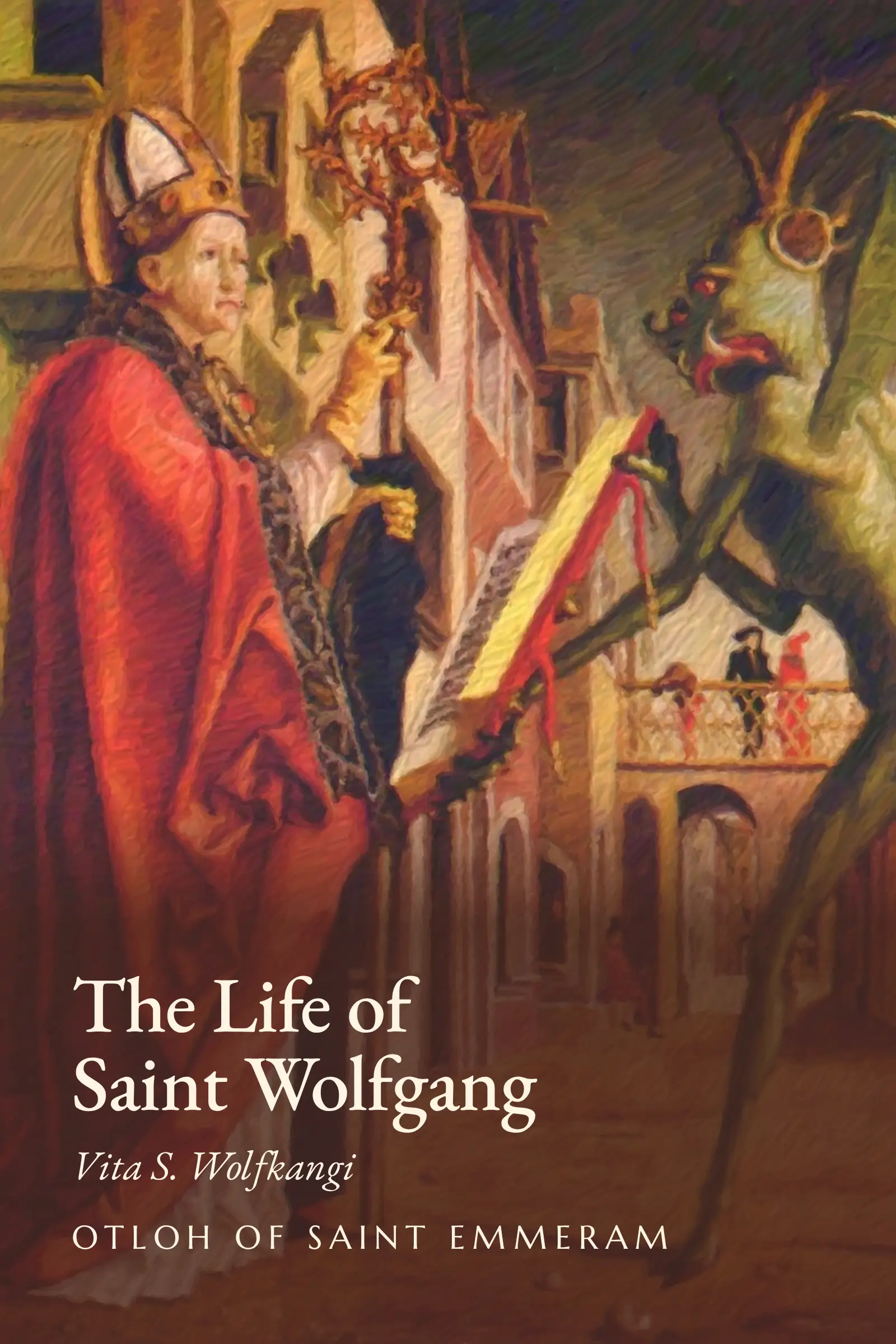
The Life of Saint Wolfgang
Otloh of St Emmeram
Feast: 31 October
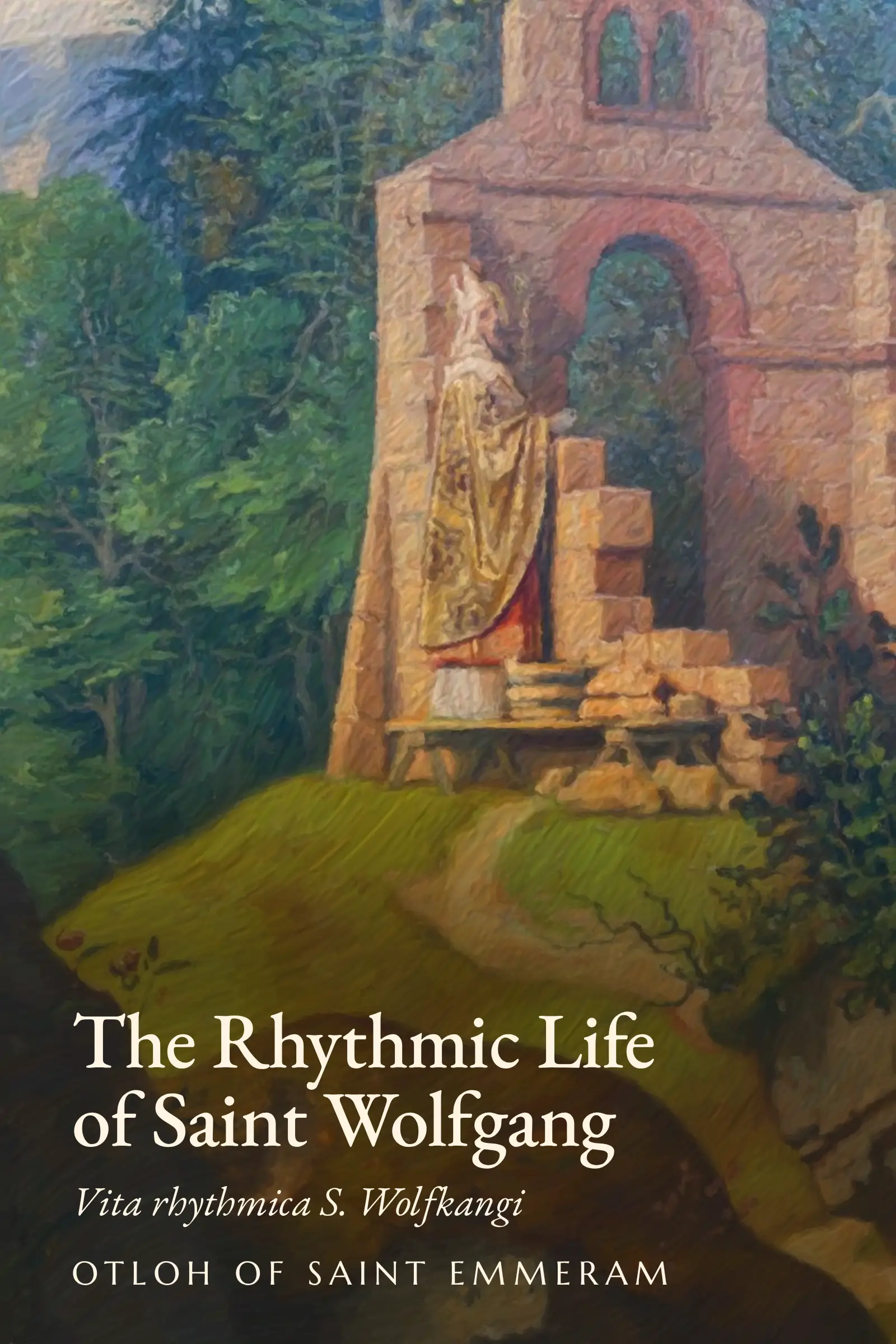
The Rhythmic Life of Saint Wolfgang
Otloh of St Emmeram
Feast: 31 October
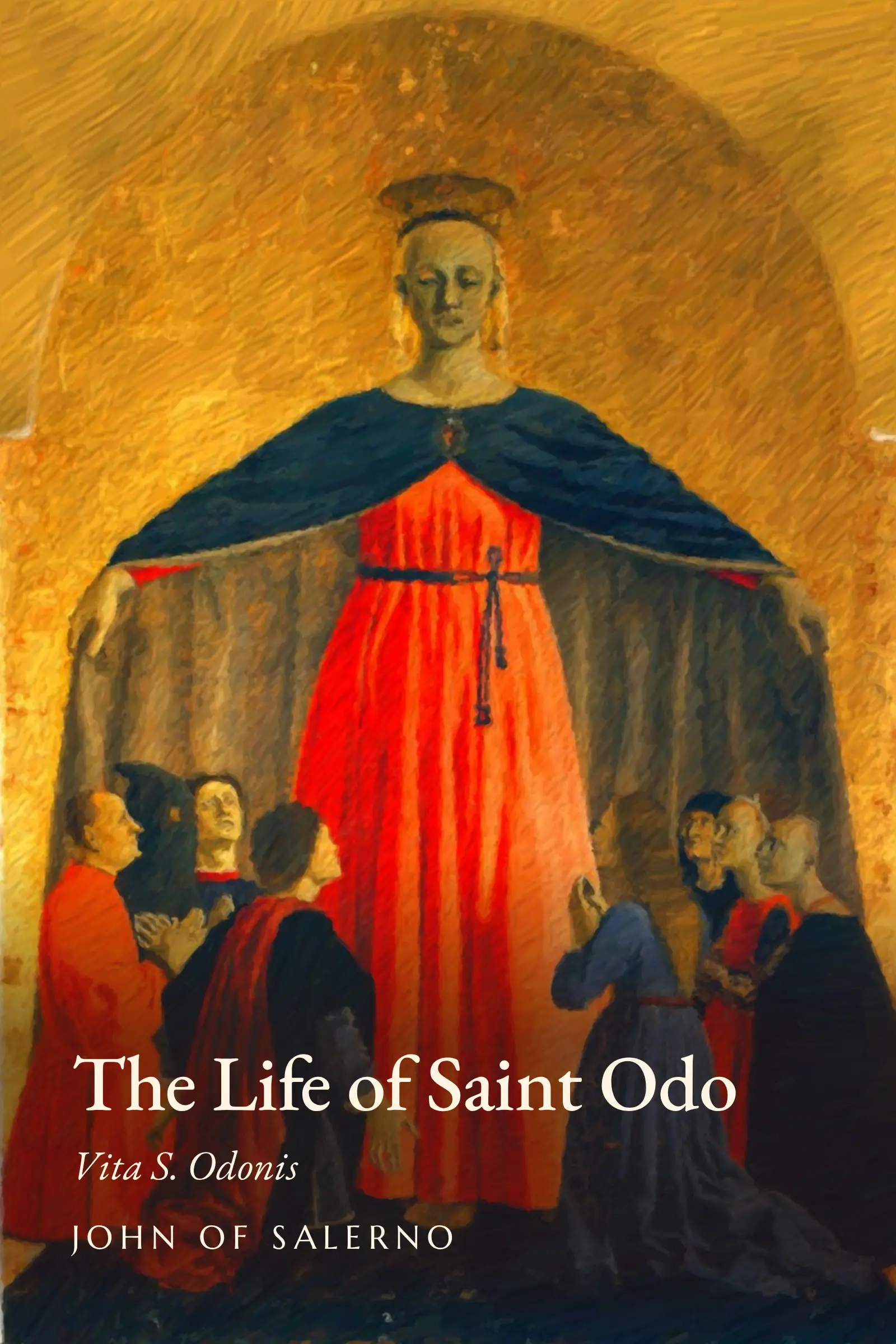
The Life of Saint Odo
John of Salerno
Feast: 18 November
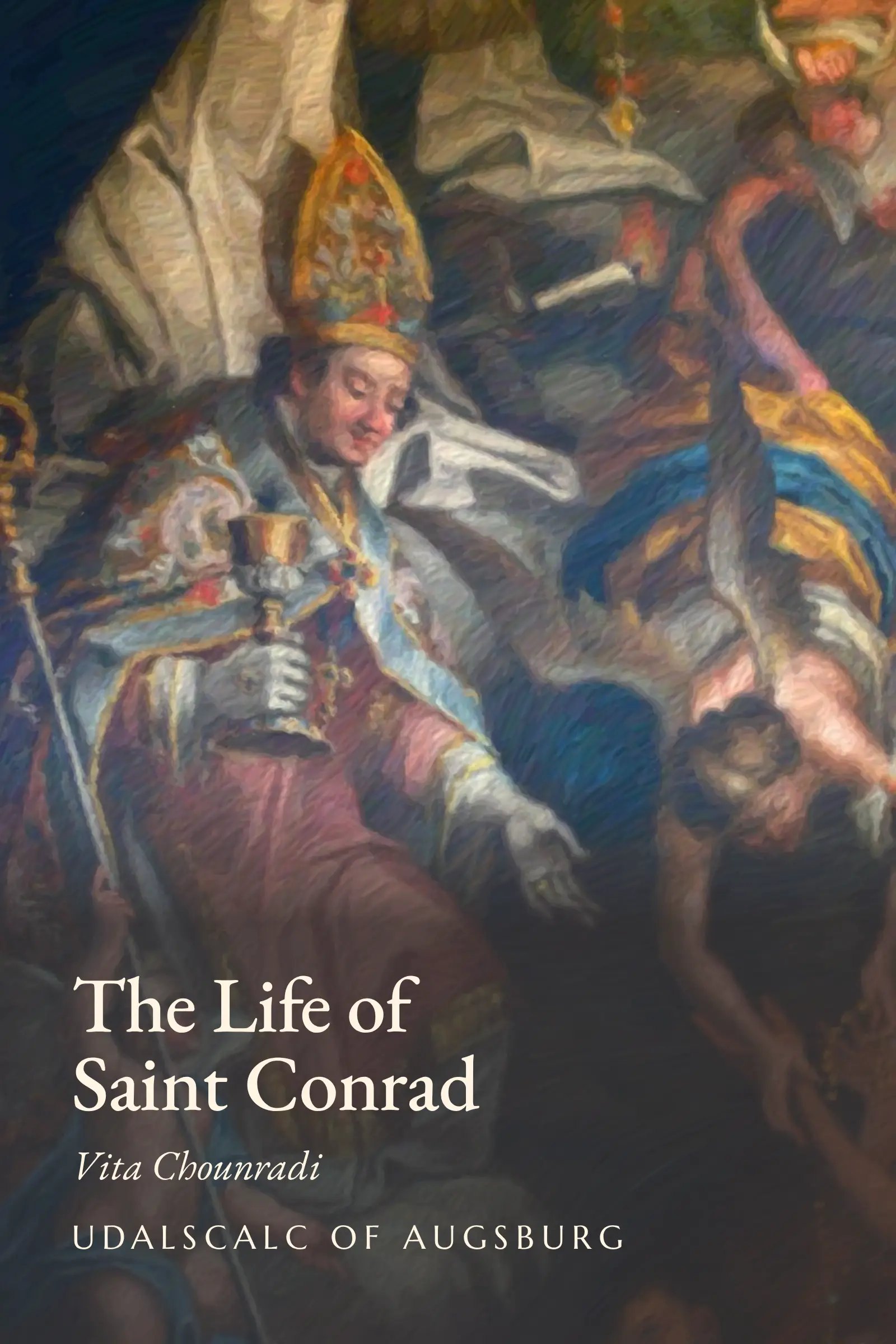
The Life of Saint Conrad
Udalscalc of Augsburg
Feast: 26 November
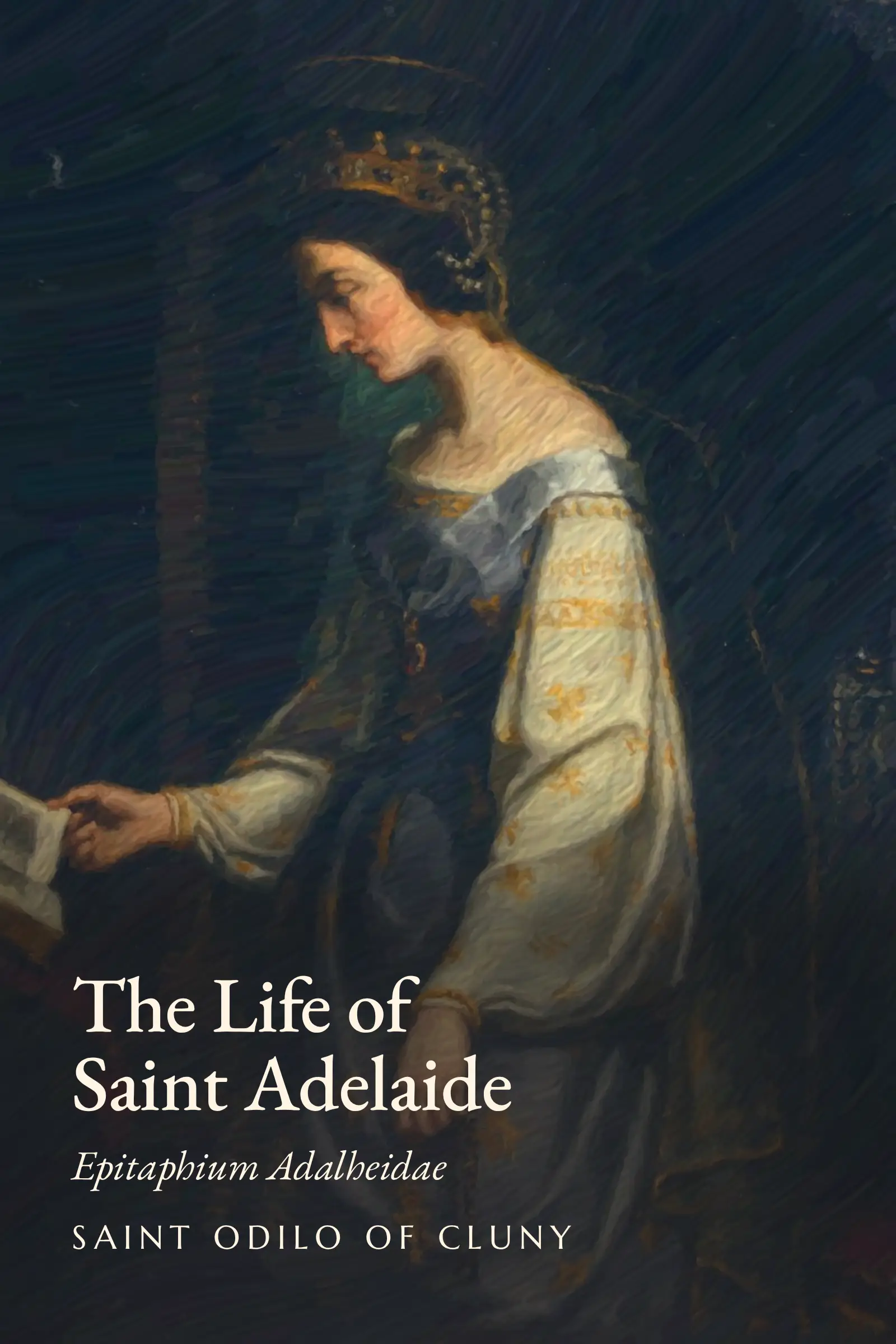
The Life of Saint Adelaide
Odilo of Cluny
Feast: 16 December