
Page by page, with your progress saved.
A poem of 74 stanzas on Saint Wolfgang of Regensburg, attributed to Otloh of St Emmeram: his years as a hermit in the Alps, his bishopric and his death, told in rhythmic verse.
Lives of the Saints
11 entries in the contents · 324 sentences
Downloads
All our editions are free. Pick your format:
Phone PDF
Large type and minimal margins, made for reading on a phone.
15 pp. · 77 KB
Bilingual EPUB
Latin and English paragraph by paragraph, for any e-reader.
19 KB
Facing-page PDF
Latin on the left-hand pages, English on the right, in sync.
19 pp. · 120 KB
Latin PDF
The original Latin text only, pocket format.
13 pp. · 67 KB
Print editions in paperback and hardcover, coming soon on Amazon.
Contents
A page
Latin
O sanctissime Wolfkange, Christi confessor pretiose! o praeclare pontifex! o egregie praesul! o praefulgidum lumen Ecclesiae catholicae, a Deo vero lumine inexstinguibiliter illuminatum! o prudens dispensator coelestium thesaurorum! o pater pauperum! o fidelis consolator afflictorum! o gloriose relevator peccatorum! o gratiose te invocantium exauditor! ad nostras humiles ac indignas preces, supplicamus, aures tuae pietatis nobis clementer aperi.
English
O most holy Wolfgang, precious confessor of Christ! O renowned pontiff! O excellent bishop! O most radiant light of the Catholic Church, lit unquenchably by God, the true light! O prudent steward of heavenly treasures! O father of the poor! O faithful consoler of the afflicted! O glorious raiser-up of sinners! O gracious hearer of those who call upon you! To our humble and unworthy prayers, we beseech you, mercifully open the ears of your loving kindness.
About this translation
Wolfgang (c. 924–994) was born in Swabia, studied at Reichenau and Würzburg, taught at Trier and became dean of its cathedral, and then took the monastic habit at Einsiedeln. After a fruitless mission to the Hungarians he was made bishop of Regensburg in 972, and he ruled that Church, a monk at heart, until he died on a journey at Pupping, on the Danube, on 31 October 994. He was buried in the abbey of St Emmeram at Regensburg and canonised in 1052. Medieval tradition told of a time he spent as a hermit in the Alps, where he built a church that became a place of pilgrimage; this poem tells that story.
In a manuscript of Melk the prose Life of Wolfgang is followed at once by this rhymed history of the saint. The Patrologia prints it among the works of Otloh of St Emmeram, the author of that prose Life, and Corpus Corporum files it under his name; but the editor's note says plainly that the author is uncertain, an anonymous monk either of St Emmeram or of Mondsee. The poem is a prayer as much as a life: after invoking Christ it tells of Wolfgang's birth and schooling, his reluctant rule as bishop, his flight to the wilderness, the stones that softened under his hands as he built his church, his recall, his death at Pupping, where his entrails were buried, and his burial at Regensburg; three times it breaks off into an "Exhortation", in which the poet, "the least of your servants", begs the saint for help. The poet names Regensburg twice: as Ratispona and, playing on the river Regen and the German word for rain, as Imbripolis, "the city of rain"; both appear here as Regensburg.
The poem is written in rhymed stanzas of four lines, but the edition prints it as continuous prose inside the editor's note; here it is set out in stanzas, without changing a word, and translated line for line. The heading "A Rhythmic History" is the editor's description. A few lines are obscure or corrupt in the printed text and are translated in their plain sense. After the poem come the texts printed under the heading "A Prayer to Saint Wolfgang": a long prayer to the saint, an antiphon, the three prayers of his Mass (the last, a postcommunion, is headed "Communion" in the source), an Alleluia verse and a sequence that sums up his life in rhymed lines.
Edition and source of the text: Latin text: Patrologia Latina 146, cols. 425–428, via Corpus Corporum (mlat.uzh.ch); public domain. The edition prints the poem as prose within an editor's note; the stanza layout here is ours, with the words unchanged. The editor's apparatus is omitted; Scripture references follow modern numbering.
Lives of the Saints
Medieval Lives of the saints, written by their contemporaries or disciples and translated here for the first time into Spanish and English from the Latin text of their editions.
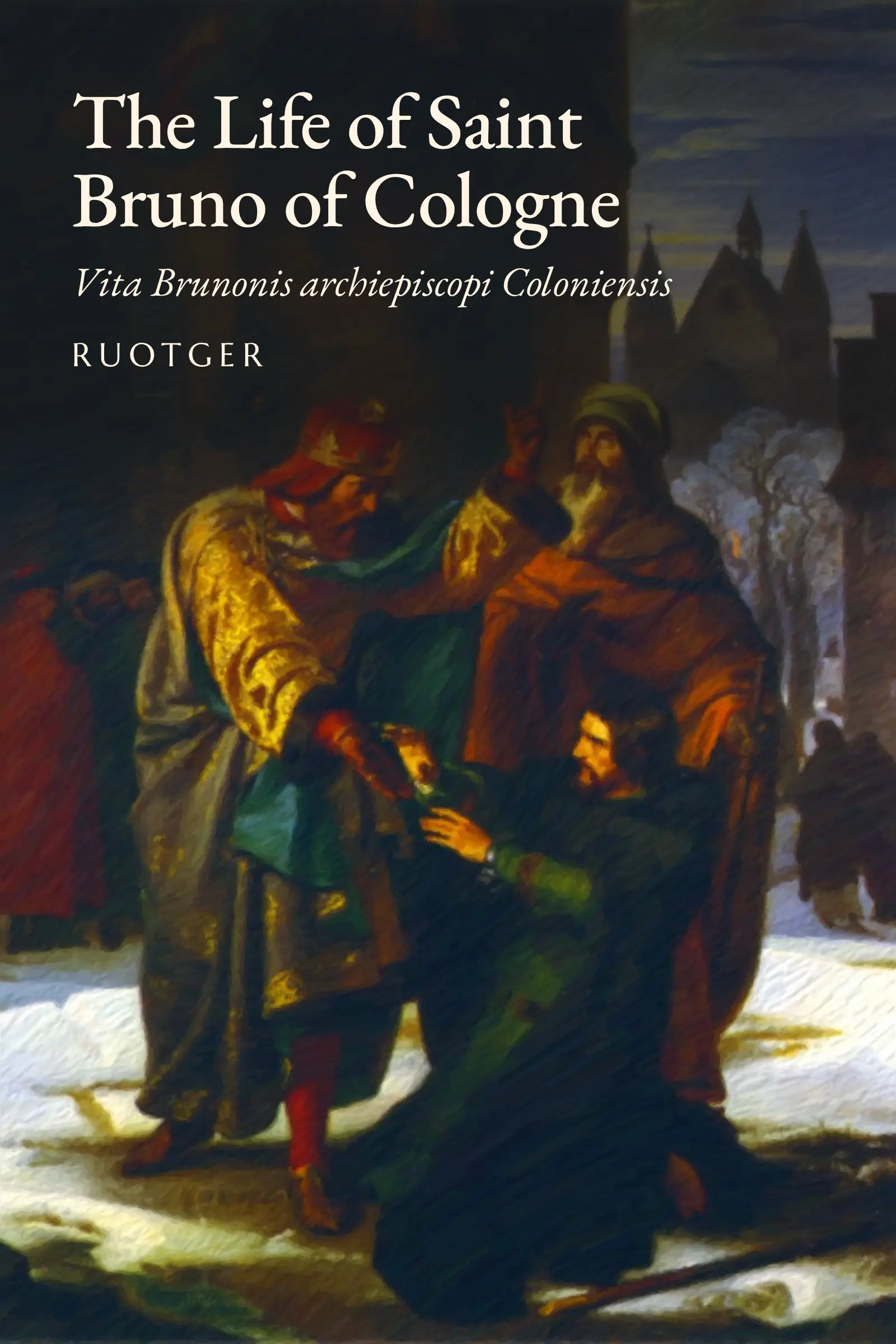
The Life of Archbishop Bruno
Ruotger
Feast: 11 October
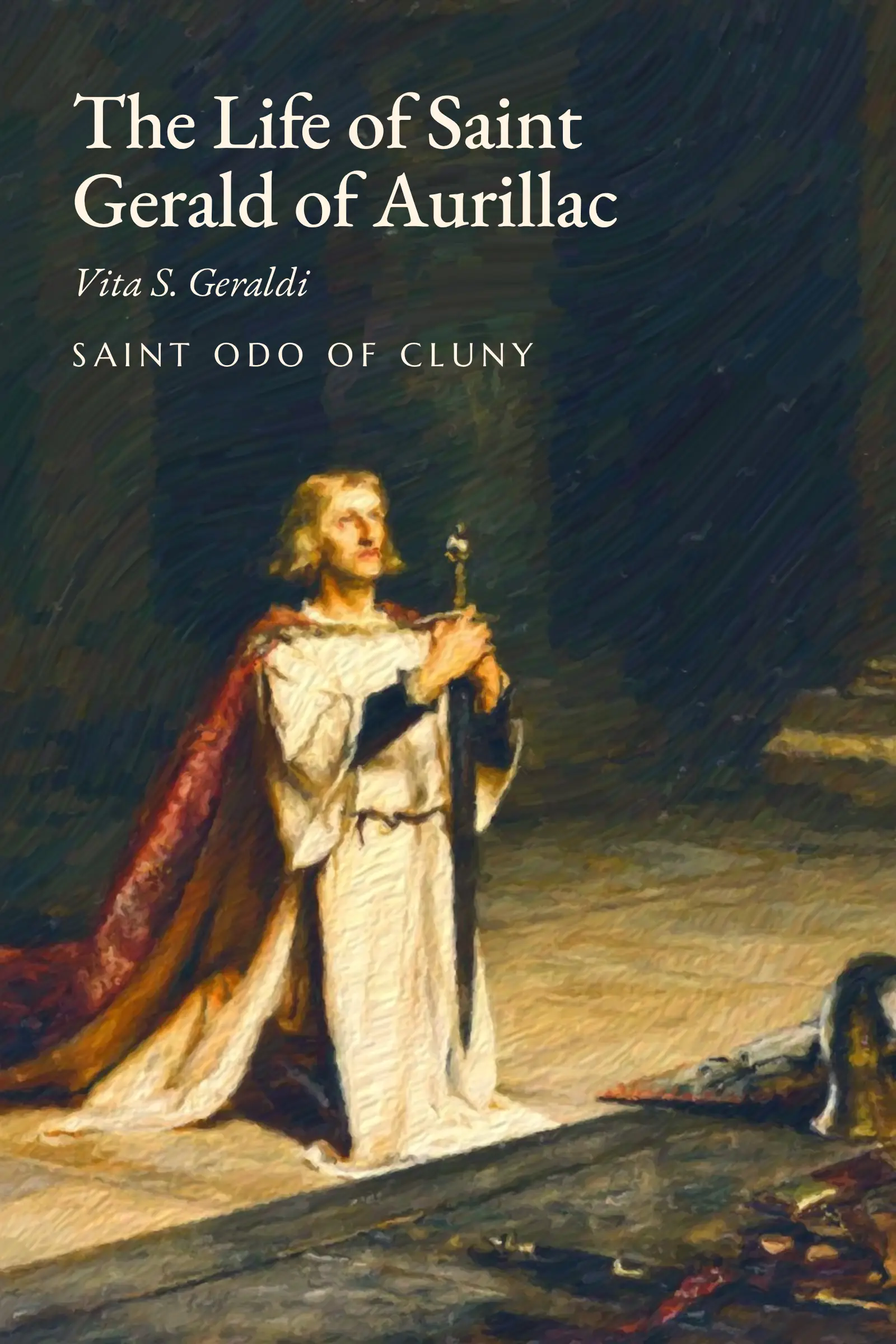
The Life of Saint Gerald of Aurillac
Odo of Cluny
Feast: 13 October
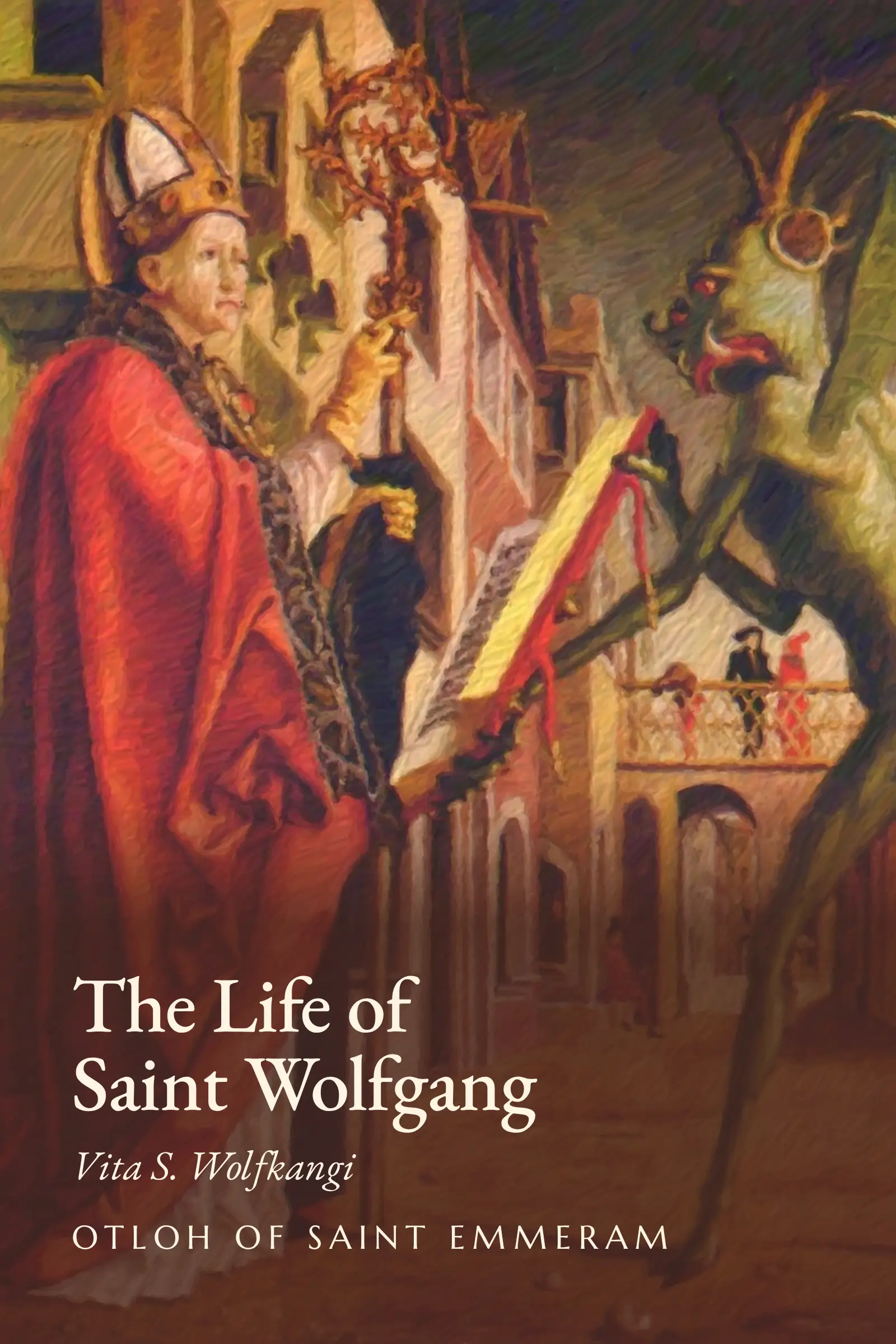
The Life of Saint Wolfgang
Feast: 31 October
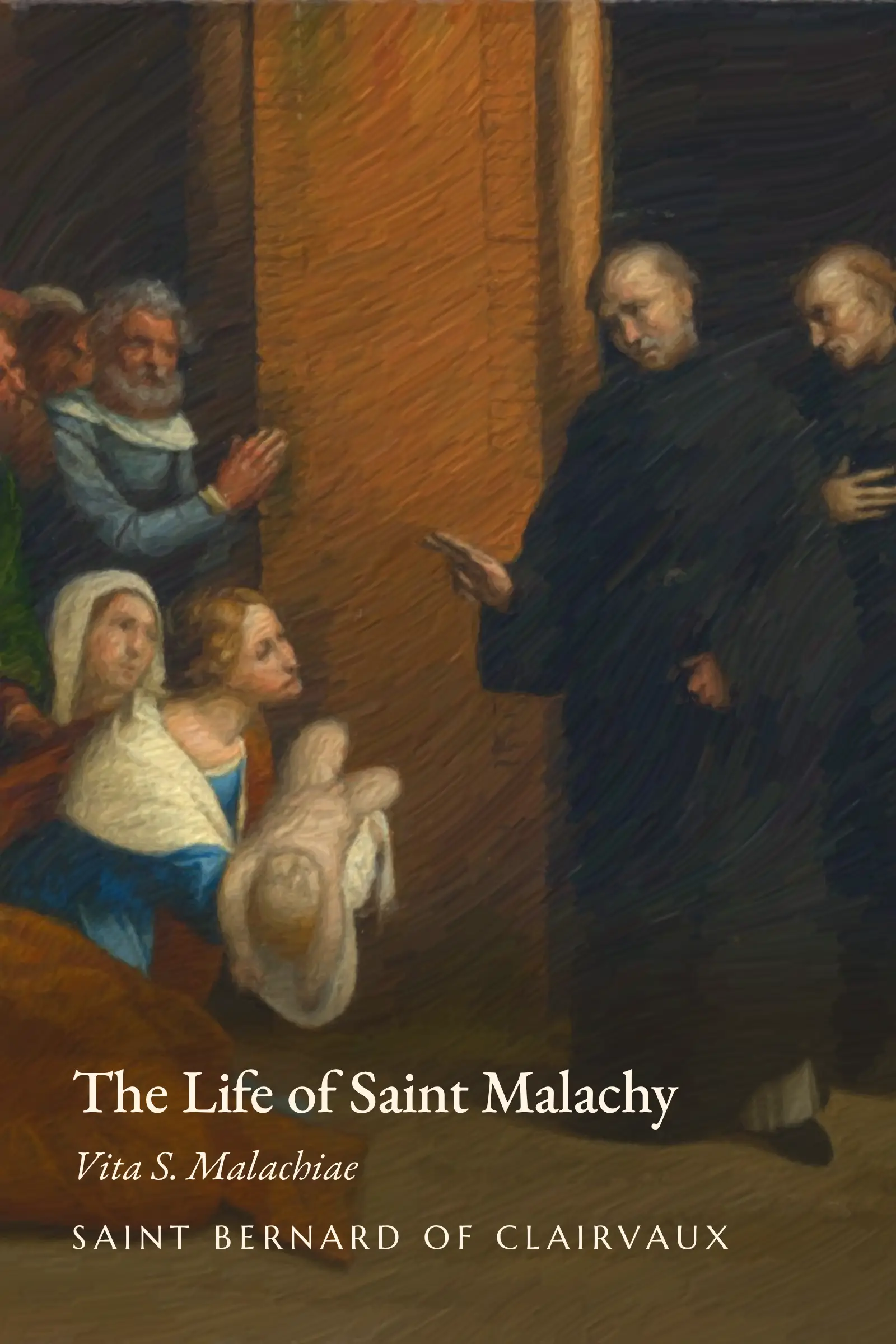
The Life of Saint Malachy
Saint Bernard of Clairvaux
Feast: 3 November
The Life of Saint Odo
John of Salerno
Feast: 18 November
The Life of Saint Conrad
Udalscalc of Augsburg
Feast: 26 November